افزایش قیمت نفت و سقوط سهام: ترس از شوک انرژی چه تاثیری بر سرمایهگذاریها و کسبوکار شما در عمان دارد؟
قیمت انرژی روز پنجشنبه به شدت افزایش یافت و بازارهای سهام جهانی با کاهش روبرو شدند، زیرا حملات ایران به زیرساختهای انرژی خلیج فارس شدت گرفت و نگرانیها در مورد اختلالات عرضه و فشارهای تورمی در سراسر جهان افزایش یافت.
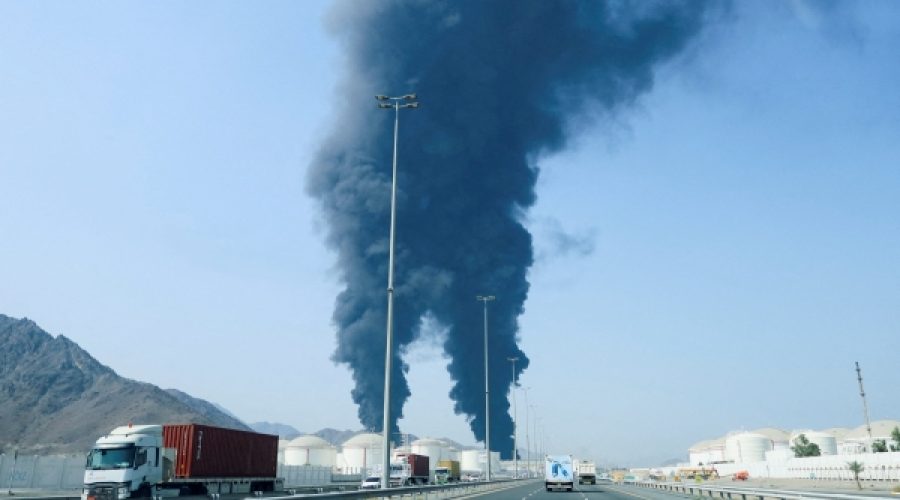
قیمت نفت خام برنت پس از تهدید تهران مبنی بر هدف قرار دادن تأسیسات منطقهای در تلافی حمله اسرائیل به تأسیسات مرتبط با میدان گازی وسیع پارس جنوبی که به طور مشترک با قطر توسعه یافته است، از $115 در هر بشکه فراتر رفت. حملات موشکی ایران به راس لفان قطر، بزرگترین قطب گاز طبیعی مایع (LNG) جهان، “خسارت گستردهای” وارد کرد. حملات پهپادی دیگری نیز یک پالایشگاه نفت عربستان سعودی در دریای سرخ را هدف قرار داد و باعث آتشسوزی در دو پالایشگاه در کویت شد.
درگیری تقریباً سه هفتهای در خاورمیانه، نگرانیها در مورد ثبات عرضه انرژی را تشدید کرد و قیمت گاز طبیعی اروپا را تا ۳۵ درصد افزایش داد. نفت خام برنت با ۶.۸ درصد افزایش به ۱TP4T114.72 در هر بشکه رسید، در حالی که نفت خام وست تگزاس اینترمدیت (WTI) آمریکا با ۰.۳ درصد افزایش به ۱TP4T95.75 در هر بشکه رسید.
“سوزانا استریتر، استراتژیست ارشد سرمایهگذاری در باشگاه ثروت، گفت: ”با توجه به تشدید حملات هر دو طرف به زیرساختهای حیاتی انرژی، چشمانداز یک درگیری طولانیمدت همچنان بسیار نگرانکننده است.» او خاطرنشان کرد که بدبینی سرمایهگذاران در بحبوحه نگرانیهای فزاینده در مورد تأثیر بالقوه اقتصادی جهانی، به سرعت در حال گسترش است.
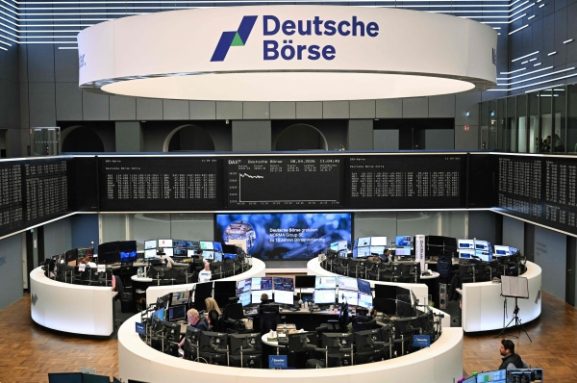
بازارهای سهام اروپا این نوسانات را منعکس کردند، به طوری که فرانکفورت و لندن حدود ۲ درصد و پاریس ۱.۷ درصد کاهش یافتند. بازارهای آسیایی نیز متحمل ضرر شدند، به طوری که نیکی توکیو ۳.۴ درصد، هنگ کنگ ۲ درصد و شانگهای ۱.۴ درصد کاهش یافتند.
از زمان آغاز جنگ، اقدامات تهران عملاً تنگه هرمز، یک مسیر دریایی کلیدی که حدود 20 درصد از نفت و گاز جهان از طریق آن ترانزیت میشود، را بسته و نوسانات قیمت و ترس از تورم را تشدید کرده است.
افزایش هزینههای انرژی، نگرانیها در مورد افزایش ناگهانی تورم و افزایش احتمالی نرخ بهره را تشدید میکند. دن کوتسورث، رئیس بازارها در ایجی بل، بانکهای مرکزی را در وضعیت بلاتکلیفی توصیف کرد و گفت که منتظر روشن شدن این موضوع هستند که آیا بحران خاورمیانه باعث ایجاد یک شوک تورمی پایدار خواهد شد یا خیر.
انتظار میرود بانک مرکزی انگلیس و بانک مرکزی اروپا، پس از تصمیم اخیر فدرال رزرو ایالات متحده برای ثابت نگه داشتن هزینههای استقراض، نرخ بهره را ثابت نگه دارند. دادههای منتشر شده در روز چهارشنبه نشان داد که تورم عمدهفروشی ایالات متحده در ماه فوریه، قبل از درگیری و افزایش قیمت نفت پس از آن، بیش از حد انتظار افزایش یافته است.
جروم پاول، رئیس فدرال رزرو، با اذعان به عدم قطعیت چشمانداز، اظهار داشت: “ما درست در ابتدای این مسیر هستیم... شما نمیدانید که این [وضعیت] چقدر بزرگ خواهد بود و چقدر طول خواهد کشید.” به همین ترتیب، بانک ژاپن نرخهای خود را حفظ کرد و در عین حال نسبت به فشارهای تورمی ناشی از افزایش قیمت نفت خام هشدار داد. در همین حال، بانک مرکزی استرالیا روز سهشنبه نرخ کلیدی خود را افزایش داد و دلیل آن را “افزایش شدید قیمت سوخت” عنوان کرد.”
ارقام کلیدی بازار در ساعت 10:30 به وقت گرینویچ روز پنجشنبه شامل موارد زیر بود:
– نفت خام برنت دریای شمال: +6.8% در $114.72 در هر بشکه
– وست تگزاس اینترمدیت: +0.3% با قیمت $95.75 در هر بشکه
– FTSE 100 (لندن): -1.9% با 10,110.16 واحد
– CAC 40 (پاریس): -1.7% در 7,836.29
– دکس (فرانکفورت): -۲.۳۱TP3T، در ۲۲۹۵۶.۲۳
– شاخص Nikkei 225 (توکیو): -3.4% با قیمت 53,372.53 (بسته)
شاخص هانگ سنگ (هنگ کنگ): -2.0% در 25,500.58 (بسته)
– شانگهای کامپوزیت: -1.4% در 4,006.55 (بسته)
– داو جونز (نیویورک): -1.6% در 46,225.15 (بسته)
یورو/دلار آمریکا: افزایش از $1.1451 به $1.1469
– پوند/دلار آمریکا: افزایش از $1.3256 به $1.3276
دلار آمریکا/ین: از ۱۵۹.۸۷ ین به ۱۵۹.۲۲ ین کاهش یافت
یورو/پوند: افزایش از ۸۶.۳۸ پنس به ۸۶.۴۰ پنس
درگیریهای جاری و اختلالات در عرضه انرژی همچنان عدم قطعیت قابل توجهی را برای بازارها و اقتصادهای جهانی ایجاد میکند.
تحلیل ویژه از عمانت | بازار عمان را کشف کنید
تشدید اخیر درگیریها در خاورمیانه و افزایش قیمت انرژی ناشی از آن هم خطرات و هم فرصتهایی را برای کسبوکارها در عمان ایجاد میکند, ، عمیقاً به زنجیره تأمین انرژی منطقهای گره خورده است. با توجه به اینکه قیمت نفت خام برنت از $115 در هر بشکه فراتر رفته و زیرساختهای خلیج فارس در معرض تهدید قرار دارند،, بخش انرژی عمان ممکن است نوساناتی را تجربه کند، اما میتواند از افزایش تقاضای جهانی و موقعیت استراتژیک LNG بهرهبرداری کند.. سرمایهگذاران و کارآفرینان هوشمند باید تحولات ژئوپلیتیکی را از نزدیک زیر نظر داشته باشند تا از نوسانات بازار انرژی بهرهبرداری کنند و در عین حال برای فشارهای تورمی بالقوه و اختلالات زنجیره تأمین که میتواند چشمانداز اقتصادی را تغییر دهد، آماده باشند.