افزایش قیمت نفت فراتر از $100: حملات ایران و انتشار ذخایر آژانس بینالمللی انرژی چه معنایی برای سرمایهگذاریها و کسبوکار شما در عمان دارد؟
قیمت نفت روز پنجشنبه به بالای ۱TP4T100 در هر بشکه رسید، زیرا حملات مجدد ایران به منابع نفتی خاورمیانه و هشدارها در مورد رکود اقتصادی جهانی، انتشار بیسابقه ذخایر استراتژیک نفت توسط آژانس بینالمللی انرژی (IEA) را تحت الشعاع قرار داد.
کارزار آمریکا و اسرائیل علیه ایران بدون هیچ نشانهای از فروکش کردن، وارد سومین هفته خود شد و تهران حملات تلافیجویانه خود را در سراسر منطقه خلیج فارس تشدید کرد. روز چهارشنبه، آژانس بینالمللی انرژی تصمیم خود را برای آزادسازی ۴۰۰ میلیون بشکه نفت از ذخایر استراتژیک - بزرگترین ذخایر تاکنون - اعلام کرد که ۱۷۲ میلیون بشکه از آن از ایالات متحده است. با وجود این اقدام بیسابقه، نگرانیها در مورد اختلالات شدید در جریان انرژی، به ویژه با توجه به اینکه تنگه هرمز، شریان حیاتی برای یک پنجم نفت خام جهان، همچنان عملاً بسته است، همچنان ادامه دارد.
ایران تلاشهای خود را برای ایجاد اختلال در عرضه نفت در سراسر منطقه تشدید کرد. روز پنجشنبه، گزارش شد که دو نفتکش در آبهای عراق مورد اصابت قرار گرفتهاند. عراق پیش از این به دلیل بحران، کاهش تولید را اعلام کرده بود و کویت و عربستان سعودی نیز تولید خود را کاهش داده بودند. علاوه بر این، بحرین از حمله ایران به مخازن سوخت خود خبر داد، در حالی که عربستان سعودی پهپادهایی را که میدان نفتی شیبه را هدف قرار داده بودند، رهگیری کرد.
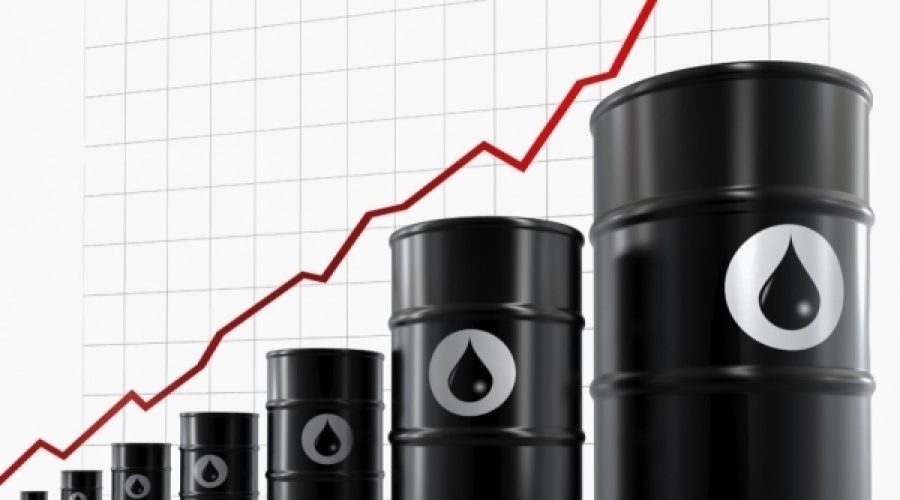
هر دو شاخص اصلی نفت خام به طور قابل توجهی افزایش یافتند. نفت خام برنت از ۹۱TP3T به اوج ۱TP4T101.59 در هر بشکه رسید، در حالی که نفت وست تگزاس اینترمدیت (WTI) به کمی کمتر از ۱TP4T96 صعود کرد. در اوایل هفته، قیمتها تقریباً ۳۰۱TP3T افزایش یافته و به ۱TP4T120 در هر بشکه نزدیک شده بودند. تحلیلگران اکنون هشدار میدهند که قیمتهای بین ۱TP4T90 و ۱TP4T100 در هر بشکه ممکن است در بحبوحه خصومتهای مداوم به حالت عادی جدید تبدیل شود.
ایران پس از حملات به کشتیهای تجاری و هشدارها علیه کشتیهای آمریکایی و متحدانش، آمادگی خود را برای یک جنگ فرسایشی طولانی مدت که تهدید میکند اقتصاد جهانی را “نابود” خواهد کرد، اعلام کرده است. روز چهارشنبه، مقامات سپاه پاسداران تهدید کردند که مراکز اقتصادی و بانکهای مرتبط با منافع آمریکا و اسرائیل را هدف حملات قرار خواهند داد. علی فدوی، مشاور فرمانده کل سپاه، هشدار داد که ایالات متحده و اسرائیل باید برای یک درگیری طولانی مدت با پیامدهای اقتصادی ویرانگر آماده شوند.
اختلال در حمل و نقل دریایی از طریق تنگه هرمز، که حدود یک سوم از کود شیمیایی جهان را نیز حمل میکند، به ویژه در آسیا و اروپا، خطر آسیب شدید اقتصادی را به همراه دارد. خطوط هوایی به دلیل افزایش هزینههای سوخت و تغییر مسیرهای پروازی با چالشهای قابل توجهی روبرو هستند؛ ایر نیوزیلند اعلام کرد که طی دو ماه آینده ۱۱۰۰ پرواز را کاهش خواهد داد.
افزایش شدید قیمت نفت، ترس از تورم را دوباره شعلهور کرده و نگرانیهایی را ایجاد کرده است مبنی بر اینکه بانکهای مرکزی، که اخیراً کاهش نرخ بهره را در نظر گرفتهاند، اکنون ممکن است نیاز به افزایش مجدد آن داشته باشند. این عدم قطعیت، فشار زیادی بر بازارهای سهام جهانی وارد کرده است، به طوری که شاخصهای اصلی در توکیو، هنگ کنگ، شانگهای، سیدنی، سئول، بانکوک، ولینگتون، سنگاپور، تایپه، مانیل و جاکارتا همگی با کاهش شدید بسته شدند.
کارشناسان بازار تأکید میکنند که آزادسازی اضطراری نفت توسط آژانس بینالمللی انرژی در بحبوحه خطرات ژئوپلیتیکی، عمدتاً نمادین است. استفن اینس از شرکت مدیریت دارایی SPI این اقدام را به “نشانه گرفتن شلنگ باغبانی به سمت آتشسوزی پالایشگاه” تشبیه کرد و اذعان داشت که اگرچه این اقدام ممکن است به طور موقت نوسانات را کاهش دهد، اما نمیتواند خطرات اساسی را در حالی که مسیرهای حیاتی کشتیرانی جهان همچنان در معرض تهدید هستند، تغییر دهد.
نیل ویلسون از ساکسو مارکتس خاطرنشان کرد که انتشار گزارش آژانس بینالمللی انرژی عمدتاً در اوایل هفته قیمتگذاری شده بود و به کاهش قیمت نفت به زیر $100 در اوایل هفته کمک کرد، که اظهارات دونالد ترامپ، رئیس جمهور سابق آمریکا، در مورد پایان سریع درگیری نیز به این امر کمک کرد. ویلسون تخمین زد که جنگ در حال حاضر منجر به از دست رفتن حدود 200 میلیون بشکه نفت شده است. او هشدار داد که جابجایی ذخایر بین مکانها معادل تولید نفت جدید نیست و بر نگرانیهای بازار در مورد جریان عرضه به جای ذخایر تأکید کرد.
با وجود این، ترامپ بار دیگر تأکید کرد که این حملات عملاً ایران را شکست داده است و ادعا کرد: “ما پیروز شدیم... ما پیروز شدیم - در همان ساعت اول، همه چیز تمام شد.” در همین حال، نیروهای نظامی اسرائیل اعلام کردند که این کارزار ادامه دارد و “مجموعه وسیعی از اهداف” هنوز در دسترس هستند.
آمار بازار تقریباً در ساعت 03:30 به وقت گرینویچ نشان داد که وست تگزاس اینترمدیت با 8.6% افزایش به $94.72 در هر بشکه و نفت خام برنت با 9.0% افزایش به $100.29 در هر بشکه رسید. شاخصهای اصلی سهام جهانی همچنان به عقبنشینی ادامه دادند، به طوری که نیکی 225 توکیو با 2.1%، هانگ سنگ هنگ کنگ با 1.2% و شانگهای کامپوزیت با 0.6% کاهش یافتند.
بازارهای ارز، عدم قطعیت مداوم را منعکس کردند، به طوری که یورو به $1.1537 و پوند به $1.3370 در برابر دلار کاهش یافت، در حالی که دلار در برابر ین اندکی افزایش یافت و به 159.03 رسید.
در نیویورک و لندن، سهام با کاهش بسته شدند، به طوری که شاخص داو جونز با ۰.۶۱ واحد کاهش به ۴۷۴۱۷.۲۷ واحد و شاخص فوتسی ۱۰۰ با ۰.۶۱ واحد کاهش به ۱۰۳۵۳.۷۷ واحد رسید.
تحلیل ویژه از عمانت | بازار عمان را کشف کنید
افزایش قیمت نفت به بالای ۱TP4T100 در بحبوحه تنشهای جاری خاورمیانه نشاندهنده افزایش نوسانات و خطرات عرضه است برای اقتصاد وابسته به انرژی عمان. مشاغل باید برای هزینههای بالا و اختلالات احتمالی آماده باشند, در حالی که سرمایهگذاران هوشمند میتوانند فرصتهایی را در امنیت انرژی و بخشهای جایگزین برای محافظت در برابر بیثباتی طولانی مدت بررسی کنند. آیندهنگری استراتژیک و تنوعبخشی بسیار مهم خواهد بود. خطرات ژئوپلیتیکی حاکی از یک محیط طولانی مدت با قیمت بالا است در بازارهای جهانی نفت.