عمان: یک پناهگاه امن و مرکز لجستیک منطقهای - این برای سرمایهگذاران و کسبوکارها در بحبوحه درگیریهای منطقهای چه معنایی دارد؟
مسقط: به گفته دکتر خالد بن عبدالوهاب البلوشی، متخصص گردشگری و هوانوردی، عمان با بهرهگیری از بیطرفی سیاسی و موقعیت جغرافیایی استراتژیک خود، علیرغم درگیریهای جاری در ایران، به طور مؤثر رشد اقتصادی خود را در چارچوب چشمانداز عمان ۲۰۴۰ حفظ میکند.
دکتر البلوشی خاطرنشان کرد که گردشگری منطقهای به دلیل تنشهای ژئوپلیتیکی فعلی، ۱۱ تا ۲۰ درصد کاهش یافته است. این بخش روزانه با ضرری حدود ۱ تا ۴ و ۶۰۰ میلیون پوند ناشی از لغو پروازها، برنامههای گردشگری، عدم تمایل کشتیهای کروز برای بازدید از منطقه، افزایش قیمت سوخت جت و افزایش حق بیمه مواجه است.
پیشبینیهای اقتصادی نشان میدهد که اگر درگیری ادامه یابد، صنعت گردشگری خاورمیانه میتواند با مشکلات قابل توجهی مواجه شود و کشورهای حوزه خلیج فارس به دلیل وابستگی به سفرهای هوایی بینالمللی و میلیونها گردشگر سالانه، احتمالاً بیشترین آسیب را خواهند دید. با این وجود، گردشگری همچنان یک جزء حیاتی از استراتژیهای تنوع اقتصادی خلیج فارس است. انتظار میرود کشورهای شورای همکاری خلیج فارس اقدامات امنیتی را افزایش دهند، تلاشهای تبلیغاتی در بازارهای امنتر را افزایش دهند و با تمرکز بیشتر بر بازدیدکنندگان داخلی و منطقهای، منابع گردشگری را متنوع کنند.
اقتصاد عمان از افزایش شدید قیمت نفت سود میبرد که ممکن است منجر به مازاد بودجه، کاهش بدهی عمومی و حمایت از پروژههای توسعهای شود. با این حال، چالشها همچنان پابرجا هستند، به ویژه در هزینههای حمل و نقل و بیمه دریایی برای کشتیهایی که از تنگه هرمز عبور میکنند، که میتواند تورم داخلی را کمی افزایش دهد. در حالی که بازارهای مالی و سرمایهگذاری نوساناتی را تجربه کردهاند، رتبه اعتباری پایدار عمان نشان دهنده سیاستهای مالی مناسبی است که به جذب شوکهای خارجی کمک میکند.
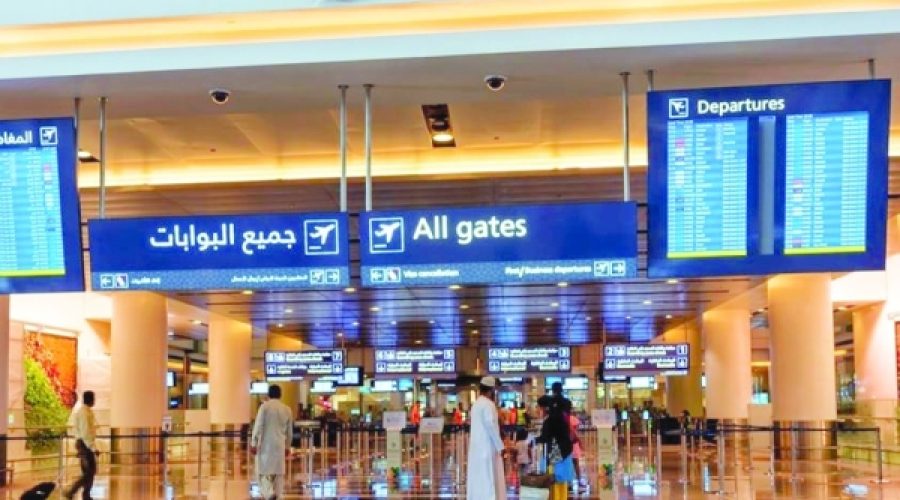
برخلاف چندین فرودگاه دیگر خلیج فارس که تحت تأثیر تعطیلی قرار گرفتهاند، فرودگاه بینالمللی مسقط کاملاً عملیاتی است. این فرودگاه ترافیک قابل توجهی را مدیریت میکند و خود را به عنوان یک قطب منطقهای قابل اعتماد تثبیت کرده است. گردشگری داخلی به میزان ۵.۱۱TP3T افزایش یافته است، زیرا مردم محلی در بحبوحه اختلالات در سفرهای بینالمللی، مقاصد، جشنوارهها و رویدادهای داخلی را انتخاب میکنند. عمان همچنین پروازهای بازگشت به وطن را برای اتباع خارجی تسهیل کرده است، به طوری که عمان ایر سیاستهای رزرو انعطافپذیری را معرفی کرده و ظرفیت پرواز اضافی را برای جبران کاهش مسیرهای منطقهای اضافه کرده است.
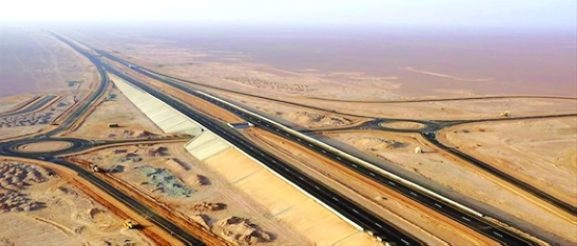
عمان با فرودگاهها و بنادر خود به عنوان جایگزینهای امن و قابل اعتمادی که از مناطق جنگی دور هستند، بحران را به یک مزیت لجستیکی تبدیل کرده است. بیطرفی استراتژیک این کشور، ریسکهای اعتباری را به حداقل رسانده، سرمایهگذاری مداوم را تضمین کرده و زنجیرههای تأمین را حفظ کرده است.
دکتر البلوشی تأکید کرد که عمان نه تنها در برابر بحران مقاومت کرده، بلکه خود را به عنوان ارائهدهنده خدمات امنیتی برای اقتصاد منطقهای بازسازی کرده و ضررهای گردشگری تفریحی را با سود حاصل از خدمات لجستیکی و امنیتی هوانوردی جبران کرده است.
تحلیل ویژه از عمانت | بازار عمان را کشف کنید
بیطرفی استراتژیک و مزیت جغرافیایی عمان، فرصتی بینظیر برای بهرهبرداری از بیثباتی منطقهای با تبدیل شدن به یک مرکز لجستیکی و هوایی امن فراهم میکند. در حالی که گردشگری با ضرر و زیان ناشی از کاهش سفرهای بینالمللی مواجه است، افزایش گردشگری داخلی و نقش عمان در مدیریت ترافیک تغییر مسیر داده شده و پروازهای بازگشت، بر چرخش به سمت انعطافپذیری و تنوعبخشی تأکید دارد. سرمایهگذاران هوشمند باید بر بخشهایی مانند لجستیک، امنیت هوانوردی و گردشگری داخلی تمرکز کنند که آمادهاند تا از تغییر پویاییهای منطقهای و حمایت پایدار دولت تحت چشمانداز عمان ۲۰۴۰ بهرهمند شوند.