آتشسوزی صلاله مهار شد: تأثیر آن بر ثبات و فرصتهای سرمایهگذاری در بازارهای ظفار
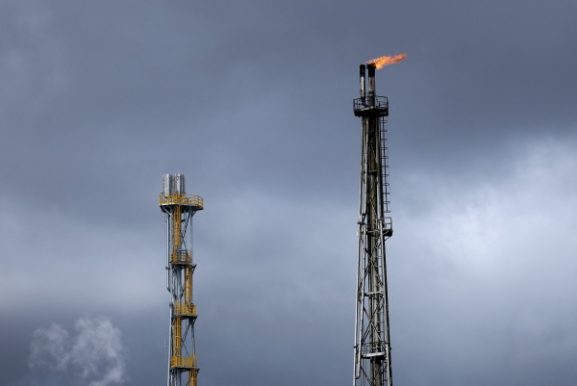
صلاله، ۱۳ مارس - به گفته یکی از مقامات اداره دفاع مدنی و آمبولانس، آتشسوزی در بندر صلاله با موفقیت مهار شده است. با وجود حمله اخیر به مخازن ذخیره سوخت در این بندر استراتژیک جنوبی، جایگاههای سوخت، مغازهها و فعالیتهای تجاری روزانه در سراسر استان ظفار به طور عادی به فعالیت خود ادامه دادهاند.
این مقام رسمی تأیید کرد که اقدامات لازم طبق برنامه پیش میرود و همه سازمانهای دولتی ذیربط برای مدیریت وضعیت و کاهش تأثیر آن به طور مؤثر همکاری میکنند. این اطمینان در شرایط موجود در سراسر صلاله و سایر نقاط ظفار منعکس شده است، جایی که جایگاههای سوخت همچنان پر هستند، فروشگاههای خردهفروشی طبق معمول فعالیت میکنند و هیچ نشانهای از خرید وحشتزده، کمبود قابل توجه یا افزایش قیمت کالاهای ضروری وجود نداشته است.
در حالی که حمله به تأسیسات ذخیرهسازی نفت صلاله، که در ۱۱ مارس رخ داد، به دلیل تأثیر آن بر دروازه دریایی کلیدی عمان در دریای عرب، توجه بینالمللی را به خود جلب کرد، واکنش فوری اقتصادی و اجتماعی در ظفار به جای ایجاد اختلال، پایدار بوده است.
برای ساکنان، اپراتورهای حمل و نقل و مشاغل محلی، نگرانیهای عملی - مانند تداوم دسترسی به سوخت، عرضه مداوم کالاها و حفظ زندگی روزمره - تاکنون به طور مثبت برآورده شده است. حضور بیوقفه مصرفکنندگان، وسایل نقلیه و فعالیت خردهفروشی نشان میدهد که این حادثه شوک گستردهتری به زنجیره تأمین وارد نکرده است.
وزارت انرژی و معادن پیش از این به مردم اطمینان داده بود که فرآوردههای نفتی در تمام استانها به مقدار معمول در دسترس هستند و هیچ اختلالی در زنجیرههای تأمین سوخت ایجاد نشده است. این پیام با واقعیتهای موجود در ظفار مطابقت دارد، جایی که عدم وجود کمبود در پمپ بنزینها و سوپرمارکتها به کاهش نگرانیها کمک کرده است.
مقامات محیط زیست همچنین گزارش میدهند که اوضاع همچنان تحت کنترل است. سازمان محیط زیست از نزدیک تحولات مربوط به آتشسوزی را زیر نظر دارد و تأیید کرده است که کیفیت هوا در استان صلاله همچنان در محدوده ایمن است.
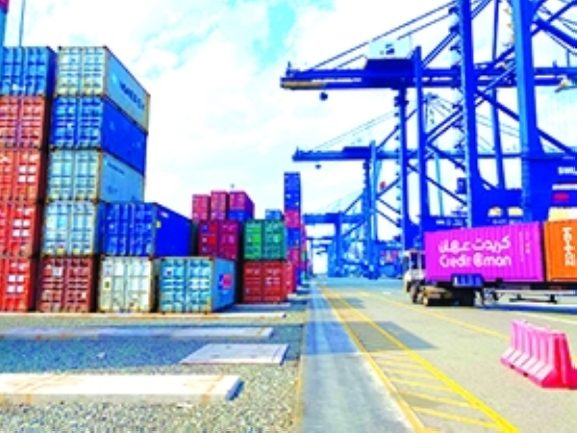
صلاله یک مرکز لجستیک و سوخترسانی حیاتی است که از نظر استراتژیک در خارج از تنگه هرمز قرار دارد و به ویژه در دورههای تنش منطقهای، از نزدیک توسط بازارهای جهانی کشتیرانی، انرژی و تجارت رصد میشود. پس از این اعتصاب، مرسک فعالیت خود را در این بندر به حالت تعلیق درآورد زیرا درگیریهای منطقهای گستردهتر، ذخیرهسازی سوخت و جریانهای دریایی را مختل کرده بود.
این زمینه اهمیت واکنش ظفار را برجسته میکند. در حالی که حملات به زیرساختهای سوخت اغلب باعث کمبود سوخت، ذخیرهسازی و افزایش قیمتهای سوداگرانه در بسیاری از بازارها میشود، جنوب عمان به طور قابل توجهی از این اختلالات اجتناب کرده است.
واکنش ظفار تاکنون نشاندهندهی انعطافپذیری است: سرویسهای اضطراری به سرعت هماهنگ شدهاند، وزارتخانهها اطمینان خاطر قابل اعتمادی ارائه دادهاند و سیستمهای توزیع داخلی بدون هیچ اختلال قابل مشاهدهای، عملکرد خود را حفظ کردهاند. این ثبات، از جدیت حمله یا چالشهای استراتژیکی که برای امنیت کشتیرانی و زیرساختهای منطقهای ایجاد میکند، نمیکاهد. با این حال، این امر نشان میدهد که واکنش اضطراری تاکنون مانع از تبدیل شدن این حادثه به یک بحران گستردهتر در بازار یا اعتماد شده است.
در زمانی که منطقه تحت نظارت شدید برای تشدید احتمالی تنشها قرار دارد، ظفار روایتی متضاد ارائه میدهد - روایتی از تداوم، هماهنگی نهادی و آرامش. از این نظر، مهمترین نتیجه پس از حمله صلاله میتواند این باشد که زندگی روزمره در منطقه تا حد زیادی بدون وقفه ادامه یافته است.
تحلیل ویژه از عمانت | بازار عمان را کشف کنید
واکنش اضطراری سریع و هماهنگ به آتشسوزی بندر صلاله، تأکیدی بر ... تابآوری و مدیریت مؤثر زیرساختهای عمان, و به حداقل رساندن اختلالات در تأمین سوخت و تجارت روزانه در ظفار. برای مشاغل و سرمایهگذاران، این امر اهمیت ... را برجسته میکند. برنامهریزی احتمالی قوی و اعتماد به زنجیرههای تأمین محلی, حتی در بحبوحه تنشهای منطقهای. کارآفرینان باهوش اکنون باید فرصتها را در نظر بگیرند تقویت قابلیتهای لجستیکی و واکنش اضطراری, ضمن نظارت بر خطرات امنیتی منطقهای در حال تحول که میتوانند بر مسیرهای تجارت دریایی تأثیر بگذارند.