درگیریهای خاورمیانه باعث افت سهام و قیمت نفت شد: آنچه سرمایهگذاران و صاحبان مشاغل در عمان باید بدانند

قیمت نفت روز جمعه به زیر $100 در هر بشکه کاهش یافت، اما همچنان به طور قابل توجهی بالاتر از سطوحی بود که قبل از درگیریهای خاورمیانه مشاهده میشد، درگیریهایی که هیچ نشانهای از حل و فصل آنها وجود ندارد. با نزدیک شدن جنگ به سومین هفته خود، بازارهای سهام جهانی عمدتاً در بحبوحه نگرانیهای فزاینده در مورد یک بحران طولانی مدت که میتواند تورم را تشدید کرده و به اقتصاد جهانی آسیب برساند، کاهش یافتند.
جاشوا ماهونی، تحلیلگر ارشد بازار در اسکوپ مارکتس، تأکید کرد که “ترس از بحران فزاینده انرژی همچنان در اولویت و مرکز توجه سرمایهگذاران است” و با ادامه این وضعیت، نگرانیهای تورمی تشدید میشود.
پیش از این درگیری، انتظار میرفت بانکهای مرکزی بزرگ نرخ بهره را کاهش دهند؛ با این حال، اکنون پیشبینی میشود که آنها یا هزینههای استقراض را ثابت نگه دارند یا هفته آینده برای مهار فشارهای تورمی، آن را افزایش دهند.
علیرغم توافق بین اقتصادهای پیشرو برای آزادسازی بخشی از ذخایر استراتژیک نفت خام خود، تحلیلگران معتقدند که این اقدام تأثیر چندانی بر حل اختلالات عرضه ندارد. ایران متعهد شده است که به هدف قرار دادن تأسیسات نفتی در خاورمیانه و مسدود کردن تنگه حیاتی هرمز ادامه دهد.
وزارت خزانهداری ایالات متحده در تلاش برای کاهش چالشهای عرضه، مجوز موقت برای فروش نفت روسیه که از قبل در دریا بود را اعلام کرد. با این حال، فردریش مرتس، صدراعظم آلمان، این تصمیم را “اشتباه” خواند و استدلال کرد که این تصمیم میتواند تلاشهای نظامی مسکو علیه اوکراین را تأمین مالی کند.
به همین ترتیب، امانوئل مکرون، رئیس جمهور فرانسه، اظهار داشت که کاهش تحریمها علیه روسیه که در پاسخ به حمله این کشور به اوکراین اعمال شده بود، “به هیچ وجه” قابل توجیه نیست. در همین حال، مسکو از ایالات متحده خواسته است تا تحریمهای بیشتری را علیه صادرات نفت خود لغو کند و ادعا میکند که این امر به ثبات بازارهای جهانی انرژی کمک خواهد کرد.
در بازارهای ارز، دلار آمریکا به دلیل جایگاه امن خود به عنوان دارایی امن و انتظارات مبنی بر اینکه نرخ بهره ایالات متحده برای مدت طولانیتری نسبت به پیشبینیهای قبلی بالا خواهد ماند، افزایش ارزش خود را در برابر ارزهای اصلی حفظ کرد.
راس مولد، مدیر سرمایهگذاری ایجی بل، بر اهمیت جلسات آتی نرخ بهره در فدرال رزرو، بانک انگلستان و سایر بانکهای مرکزی تأکید کرد و آنها را در “زمان حساسی” توصیف کرد. وی خاطرنشان کرد که بازارها از نزدیک زیر نظر دارند که آیا سیاستگذاران افزایش قیمت نفت و گاز را یک جهش موقت میدانند یا عاملی که میتواند به طور قابل توجهی بر چشمانداز تورم و نرخ بهره تأثیر بگذارد.
ارقام کلیدی بازار در پایان:
– نفت خام برنت دریای شمال: با ۱.۴۱ پوند بر تن، کاهش به ۱ پوند بر تن و ۹۹.۰۳ دلار در هر بشکه رسید.
– وست تگزاس اینترمدیت: با ۱.۹۱ پوند بر تن، به ۱ پوند بر تن و ۹۳.۸۷ پوند بر بشکه رسید
– شاخص FTSE 100 (لندن): با 0.31 واحد کاهش به 10275.72 واحد رسید.
– شاخص CAC 40 (پاریس): با 0.51 واحد کاهش به 7,949.93 واحد رسید.
– DAX (فرانکفورت): با 0.31 واحد کاهش به 23,512.25 رسید.
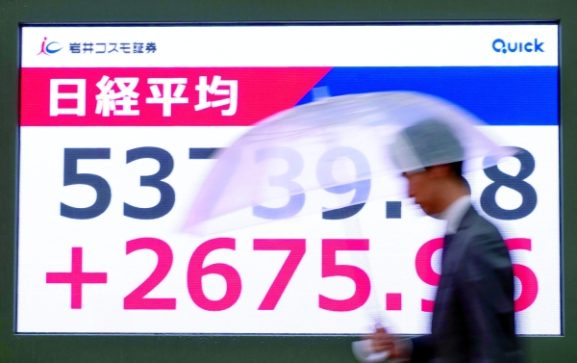
– شاخص نیکی ۲۲۵ (توکیو): با ۱.۲۱ واحد کاهش به ۵۳۸۱۹.۶۱ واحد رسید.
شاخص هانگ سنگ (هنگ کنگ): با ۱.۰۱ واحد کاهش به ۲۵,۴۶۵.۶۰ واحد رسید.
– شاخص ترکیبی شانگهای: با 0.81 واحد کاهش به 4095.45 واحد رسید.
– داو جونز (نیویورک): با ۱.۶۱ واحد کاهش به ۴۶۶۷۷.۸۵ واحد رسید.
نرخ تبدیل ارز:
– یورو/دلار: از $1.1514 به $1.1464 کاهش یافت
– پوند/دلار: از $1.3346 به $1.3260 کاهش یافت
– دلار/ین: از ۱۵۹.۳۹ ین به ۱۵۹.۴۱ ین
– یورو/پوند: از ۸۶.۲۷ پنس به ۸۶.۴۴ پنس افزایش یافت
— خبرگزاری فرانسه
تحلیل ویژه از عمانت | بازار عمان را کشف کنید
درگیریهای جاری در خاورمیانه و اختلالات ناشی از آن در عرضه نفت، قیمتها را بالا نگه داشته است., ایجاد خطرات تورمی برای اقتصادهای محلی و جهانی. برای کسبوکارها در عمان، این به معنای پتانسیل درآمدزایی مداوم در بخشهای انرژی و افزایش هزینههای عملیاتی، که بر نیاز به مدیریت استراتژیک هزینه و تنوعبخشی تأکید دارد. سرمایهگذاران هوشمند باید تحولات ژئوپلیتیکی را از نزدیک زیر نظر داشته باشند، زیرا نوسانات بازار انرژی میتواند فرصتهای جسورانهای در سرمایهگذاریهای بالادستی نفت و انرژیهای جایگزین ایجاد کند. در عین حال احتیاط در برابر رکودهای بازار ناشی از تورم را نیز ضروری میسازد.