نقص الهيليوم يهدد صناعة الرقائق الإلكترونية: ما يعنيه ذلك لمستثمري التكنولوجيا والشركات في سلطنة عمان
بعد مرور شهر على الصراع المستمر في الشرق الأوسط، يواجه الاقتصاد العالمي نقصاً غير متوقع في الهيليوم، وهو غاز بالغ الأهمية لا بديل له.
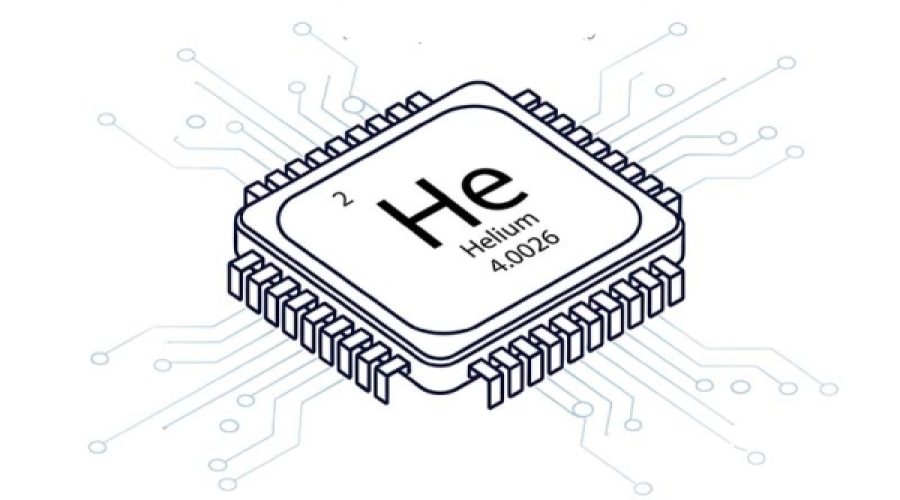
يلعب الهيليوم، وهو غاز عديم الرائحة واللون وأخف من الهواء، دورًا أساسيًا في تصنيع رقائق الكمبيوتر التي تُشغّل الذكاء الاصطناعي، وهو محرك رئيسي لنمو السوق الأمريكية. وقد تعرّضت إمدادات الهيليوم، الذي يُنتج بشكل رئيسي كمنتج ثانوي لمعالجة الغاز الطبيعي في الولايات المتحدة وقطر، لانقطاع حاد. توقف الإنتاج في قطر هذا الشهر، مما أدى إلى فقدان ما يقارب ثلث الإمدادات العالمية. وتفاقم الوضع عندما هاجمت إيران أكبر منشأة للغاز الطبيعي المسال في قطر الأسبوع الماضي، مما أدى إلى إلحاق أضرار بالبنية التحتية لإنتاج الهيليوم، والتي قد يستغرق ترميمها سنوات.
يُهدد هذا النقص كبرى شركات تصنيع أشباه الموصلات، بما في ذلك شركة تايوان لصناعة أشباه الموصلات (TSMC) وسامسونج للإلكترونيات وSK Hynix. وقد تواجه هذه الشركات تحديات في الحفاظ على الإنتاج، مما سيؤثر على مجموعة واسعة من الأجهزة التي تعتمد على أشباه الموصلات، بدءًا من هواتف آيفون من آبل وصولًا إلى خوادم الذكاء الاصطناعي من إنفيديا.
على الرغم من أن الهيليوم يرتبط عادةً بالبالونات، إلا أن تطبيقاته الصناعية أوسع بكثير. وباعتباره أبرد سائل معروف، يُعد الهيليوم ضروريًا لتبريد المغناطيسات فائقة التوصيل في أجهزة التصوير بالرنين المغناطيسي. وقد يمتد نقصه إلى ما هو أبعد من صناعة الرقائق الإلكترونية، ليؤثر على البحث العلمي والتصوير الطبي وحتى استكشاف الفضاء.
تتضمن صناعة أشباه الموصلات مراحل متعددة تتطلب استخدام الهيليوم، مثل تبريد الآلات المعقدة التي تنقش الدوائر على رقائق السيليكون، وإزالة المخلفات الكيميائية بعد غسل الرقائق. ويتوقع الخبراء أن يشعر القطاع بآثار النقص في غضون أسابيع أو أشهر، حيث تعتمد الشركات حاليًا على مخزون الهيليوم والشحنات التي كانت في طريقها إلى آسيا قبل بدء النزاع.
تكمن إحدى المشكلات الحرجة في تعطل الخدمات اللوجستية العالمية للهيليوم نتيجة إغلاق مضيق هرمز، وهو ممر ملاحي رئيسي مغلق منذ بدء الحملة العسكرية الأمريكية الإسرائيلية الشهر الماضي. ولا تزال نحو 200 حاوية نقل متخصصة بالهيليوم عالقة في المضيق، مما يتطلب شهورًا لإعادة تموضعها وتعبئتها وتوصيل إمدادات الغاز إليها.
مع تعطل الإنتاج والنقل، يحذر المحللون من أن نقص الهيليوم الذي سيؤثر على صناعة الرقائق الإلكترونية أمر لا مفر منه. يقول فيل كورنبلث، المدير التنفيذي السابق في صناعة الغاز وخبير الهيليوم: "هناك خطر محدق، لكنه لا يزال بعيدًا جدًا". وأعلنت شركة TSMC أنها تراقب الوضع عن كثب ولا تتوقع حاليًا أي اضطراب كبير، بينما امتنعت شركتا سامسونج وإس كيه هاينكس عن التعليق.
مع تزايد الطلب على الذكاء الاصطناعي، ستعتمد قدرة شركات تصنيع الرقائق على تلبية هذا الطلب جزئيًا على تأمين إمدادات كافية من الهيليوم. واستجابةً لذلك، افتتحت شركة "إير ليكيد" الفرنسية مؤخرًا مصنعًا للهيليوم في تايتشونغ، تايوان، بالقرب من أحد موانئ البلاد القليلة القادرة على استقبال الغاز الطبيعي المسال والهيليوم. سابقًا، كان نحو ثلث احتياجات تايوان من الغاز الطبيعي ومعظم احتياجاتها من الهيليوم يأتي من قطر. وتعمل "إير ليكيد" حاليًا على تقييم مخزونات عملائها وتنويع مصادر الهيليوم للتخفيف من مخاطر الإمداد.
مع ذلك، يُعدّ تجديد مخزون الهيليوم عملية معقدة. يتطلب نقل الهيليوم حاويات متخصصة تحافظ عليه عند درجة حرارة قريبة من الصفر المطلق (-269 درجة مئوية)، وهي درجة حرارة الفضاء الخارجي، ليظل في حالته السائلة. تُعزل هذه الحاويات بالنيتروجين السائل، الذي ينضب تدريجيًا مع مرور الوقت. وبمجرد نفاده، ترتفع درجة حرارة الهيليوم ويصبح تخزينه خطيرًا. لذا، لا يستطيع مصنّعو الرقائق الإلكترونية الاحتفاظ إلا بمخزون من الهيليوم يكفي لمدة شهر ونصف تقريبًا قبل الحاجة إلى التجديد.
تُعدّ كوريا الجنوبية، التي تعتمد بشكل كبير على قطر في نحو ثلثي وارداتها من الهيليوم وأكثر من اثنتي عشرة مادة من مواد صناعة الرقائق الإلكترونية، عرضةً للخطر بشكل خاص. ويعاني قطاع أشباه الموصلات في البلاد، وهو منتج حيوي لرقائق ذاكرة الذكاء الاصطناعي، من صعوبة بالغة في تلبية الطلب العالمي المتزايد بشكل كبير، ما يؤدي إلى ارتفاع الأسعار تبعاً لذلك.
في ظلّ ظروف الندرة، يُخصّص الهيليوم لمن يدفع أعلى سعر. تاريخيًا، سمحت القوة المالية لقطاع أشباه الموصلات له بالتفوق على قطاعات أخرى، مثل صناعة الأدوية والتصوير الطبي، في الحصول على الإمدادات. وأشار ريتشارد بروك، الرئيس التنفيذي لشركة استشارية متخصصة في الهيليوم، إلى أن "صناعة أشباه الموصلات مستعدة لدفع أي ثمن للحصول على الهيليوم". ويُجبر ارتفاع تكلفة إيقاف عمليات مصانع الرقائق هذه الشركات على إعطاء الأولوية لتأمين الهيليوم.
باختصار، أدت المنشآت المتضررة في قطر واضطرابات الشحن في مضيق هرمز إلى نقص وشيك في الهيليوم مع آثار كبيرة على تصنيع أشباه الموصلات وما وراء ذلك، مما يؤكد على الترابط الحاسم لسلاسل التوريد العالمية في الاقتصاد القائم على التكنولوجيا.
النقاط الرئيسية:
- أدى الهجوم الإيراني على أكبر منشأة للغاز الطبيعي المسال في قطر إلى إلحاق أضرار بخطوط إنتاج الهيليوم.
- يتم إنتاج الهيليوم، وهو منتج ثانوي للغاز الطبيعي، بشكل أساسي في الولايات المتحدة وقطر.
- يعتمد مصنعو أشباه الموصلات على الهيليوم في مراحل مختلفة من إنتاج الرقائق.
- يستخدم الهيليوم، باعتباره أبرد سائل على وجه الأرض، لتبريد المغناطيسات فائقة التوصيل في أجهزة التصوير بالرنين المغناطيسي.
- لا تزال حوالي 200 حاوية نقل متخصصة للهيليوم عالقة في مضيق هرمز منذ بدء النزاع.
تحليل خاص من عمانت | تصفح سوق عُمان
يشكل النقص العالمي المتزايد في الهيليوم، والناجم عن اضطرابات الصراع في الشرق الأوسط، مشكلة مخاطر كبيرة على الصناعات التي تعتمد على إنتاج أشباه الموصلات والتقنيات المتقدمة. بالنسبة للشركات في سلطنة عمان، يؤكد هذا على ضرورة الإسراع في تنويع سلاسل التوريد والاستثمار في الغازات الصناعية البديلة أو المصادر المحليةينبغي على المستثمرين ورجال الأعمال الأذكياء أن يأخذوا في الاعتبار الفرص المتاحة في حلول تخزين الهيليوم، والابتكارات اللوجستية، وتحسينات إنتاج الغاز الإقليمي للاستفادة من هذا الاختناق الحرج في الموارد.