ارتفاع أسعار خام برنت: الآثار المترتبة على المستثمرين والشركات في سلطنة عمان
لندن: واصلت أسعار النفط ارتفاعها يوم الاثنين، حيث يتجه خام برنت نحو تحقيق زيادة شهرية قياسية في أعقاب الهجمات الأولية التي شنتها جماعة أنصار الله على إسرائيل، والتي أدت إلى تصعيد الصراع الأمريكي الإسرائيلي ضد إيران.
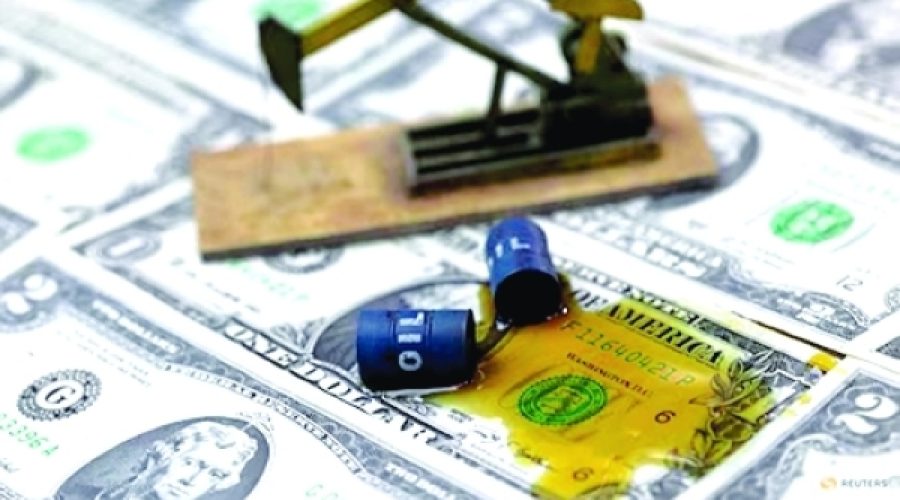
بحلول الساعة 09:33 بتوقيت غرينتش، ارتفعت العقود الآجلة لخام برنت بمقدار 3.20 نقطة، أو 2.81 نقطة، لتصل إلى 115.77 دولارًا للبرميل، بعد ارتفاعها بمقدار 4.21 نقطة يوم الجمعة. في الوقت نفسه، شهد خام غرب تكساس الوسيط الأمريكي ارتفاعًا طفيفًا بمقدار 1.87 نقطة، أو 1.91 نقطة، ليصل إلى 101.51 دولارًا، بعد ارتفاعه بمقدار 5.51 نقطة في الجلسة السابقة.
“أشارت فاندانا هاري من شركة فاندا إنسايتس إلى أن "السوق استبعدت إلى حد كبير إمكانية التوصل إلى حل تفاوضي للنزاع، على الرغم من مزاعم الرئيس السابق ترامب بوجود محادثات "مباشرة وغير مباشرة" مع إيران. وهي الآن تستعد لتصعيد في العمليات العسكرية".
يتزامن وصول قوات أمريكية إضافية إلى الشرق الأوسط مع تأكيد ترامب على أن البلدين قد عقدا اجتماعات، مؤكداً أن القادة الإيرانيين الجدد يظهرون نهجاً "معقولاً".
من جهة أخرى، أعلن الجيش الإسرائيلي يوم الاثنين أنه يستهدف البنية التحتية للحكومة الإيرانية في طهران.
وقد خفف إعلان ترامب عن وقف الهجمات على قطاع الطاقة الإيراني حتى 6 أبريل من حدة ارتفاع أسعار النفط لفترة وجيزة.
“"السوق يبحث عن مؤشرات ملموسة على خفض التصعيد"”
أفادت شركة "إس إي بي" للأبحاث بأن تمديد ترامب للمهلة لم يُبدد مخاوف السوق. وذكرت الشركة في مذكرة لها: "يطالب السوق الآن بأدلة ملموسة على خفض التصعيد، بدلاً من مجرد الكلام".
ارتفع سعر خام برنت بنحو 601 تريليون طن هذا الشهر، وهو أكبر ارتفاع شهري منذ أن بدأت مجموعة بورصة لندن بتتبع البيانات في عام 1988، متجاوزاً حتى الزيادات التي شهدتها حرب الخليج في عام 1990. وارتفع سعر الخام الأمريكي بمقدار 521 تريليون طن، مسجلاً بذلك أكبر تقدم شهري له منذ مايو 2020.
تُعزى هذه المكاسب الكبيرة إلى الحصار الفعال الذي فرضته إيران على مضيق هرمز، وهو ممر حيوي لنحو خُمس إمدادات النفط والغاز في العالم.
وقد اتسع نطاق الصراع، الذي بدأ في 28 فبراير بضربات أمريكية وإسرائيلية ضد إيران، ليشمل جميع أنحاء الشرق الأوسط، مما أثار مخاوف بشأن طرق الشحن في شبه الجزيرة العربية والبحر الأحمر.
أشار الجيش الإسرائيلي إلى أن إيران شنت عدة هجمات صاروخية على إسرائيل، بما في ذلك ضربة نادرة من اليمن.
“"لقد امتد الصراع إلى ما وراء الخليج العربي ومضيق هرمز، ليؤثر الآن على البحر الأحمر وباب المندب - أحد أهم نقاط الاختناق في العالم بالنسبة للنفط الخام والمنتجات المكررة"، هكذا علق المحللون في جي بي مورغان، بقيادة ناتاشا كانيفا.
أظهرت بيانات من شركة التحليلات Kpler أن صادرات النفط الخام السعودي التي تم تحويلها من مضيق هرمز إلى ميناء ينبع في البحر الأحمر بلغت 4.658 مليون برميل يومياً الأسبوع الماضي.
حذّر محللو بنك جيه بي مورغان من أنه في حال حدوث اضطرابات في ينبع، قد يضطر النفط السعودي إلى تغيير مساره عبر خط أنابيب السويس-المتوسط المصري (سوميد) إلى البحر الأبيض المتوسط. — رويترز
تحليل خاص من عمانت | تصفح سوق عُمان
الارتفاع الأخير في أسعار النفط, إن تصاعد التوترات العسكرية في الشرق الأوسط، والذي يحركه، يشكل فرصاً ومخاطر للشركات في سلطنة عمان. ينبغي على المستثمرين الاستفادة مع ارتفاع عائدات النفط، مع البقاء متيقظين بشأن الاضطرابات المحتملة في طرق الشحن وسلاسل التوريد، لا سيما من خلال نقاط الاختناق الاستراتيجية مثل باب المندب. يجب على رواد الأعمال التفكير في تعديل استراتيجياتهم لـ التخفيف من المخاطر يتعلق الأمر بعدم الاستقرار الجيوسياسي واستكشافه تنويع في عملياتهم لضمان المرونة في مواجهة تقلبات السوق.