تزايد تقلبات السوق: كيف يمكن أن تؤثر ضربات ترامب المهددة على البنية التحتية الإيرانية على استثماراتك واستراتيجية عملك؟
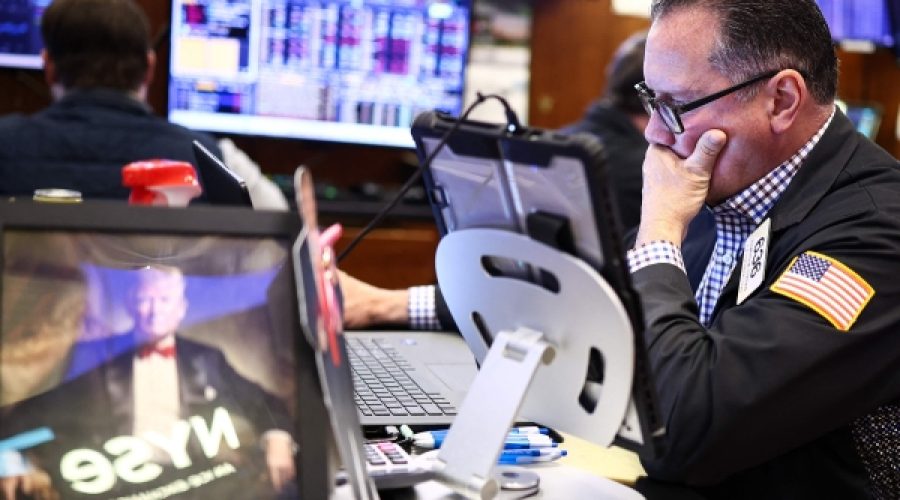
سنغافورة - ارتفعت أسعار النفط بينما شهدت أسواق الأسهم أداءً متبايناً يوم الاثنين، وذلك عقب تحذير الرئيس الأمريكي دونالد ترامب الشديد لإيران بإعادة فتح مضيق هرمز بحلول الموعد النهائي الذي حدده لنفسه وإلا ستواجه "الجحيم". ومع ذلك، ساهمت التقارير التي تفيد باستمرار مفاوضات وقف إطلاق النار في تخفيف بعض مخاوف المستثمرين.
أدت تهديدات ترامب المتكررة باستهداف البنية التحتية المدنية الإيرانية - بما في ذلك محطات الطاقة والجسور - إذا ظل الممر المائي الحيوي مغلقًا بحلول يوم الثلاثاء، إلى زيادة المخاوف من هجمات انتقامية من جانب إيران داخل منطقة الخليج.
مع انخفاض أحجام التداول بسبب عطلة عيد الفصح في العديد من دول المنطقة، تذبذبت العقود الآجلة المصغرة لمؤشر ستاندرد آند بورز 500 بين المكاسب والخسائر، لتنهي التداولات بانخفاض قدره 0.11 نقطة. في المقابل، ارتفع مؤشر MSCI الأوسع نطاقًا لأسهم آسيا والمحيط الهادئ خارج اليابان بمقدار 0.31 نقطة. وزاد مؤشر نيكاي 225 الياباني بمقدار 1.31 نقطة، وارتفع مؤشر كوسبي الكوري الجنوبي بمقدار 0.91 نقطة.
تحسّنت معنويات المستثمرين بعد أن أفاد موقع أكسيوس بأن الولايات المتحدة وإيران ووسطاء إقليميين يجرون محادثات حول وقف محتمل لإطلاق النار لمدة 45 يومًا، ما قد يمهد الطريق لإنهاء الصراع بشكل دائم. وقد وردت هذه المعلومات من أربعة مصادر مطلعة على المناقشات، من بينهم مسؤولون أمريكيون وإسرائيليون وإقليميون.
ارتفعت العقود الآجلة لخام برنت في البداية، لكنها قلصت بعض مكاسبها بعد ذلك، واستقرت على ارتفاع قدره 0.5% عند $109.55 للبرميل وسط مخاوف من اضطرابات محتملة في الإمدادات.
“قال سيم موه سيونغ، خبير استراتيجيات العملات في بنك OCBC بسنغافورة: "من الواضح أن الأسواق متوترة". وأشار إلى تاريخ تأجيل مثل هذه المواعيد النهائية، وإلى حالة عدم اليقين التي تكتنف مدى الالتزام بهذا الموعد. وأضاف: "كان هناك أمل كبير في خفض التصعيد، لكن بعض هذا الأمل تلاشى خلال عطلة نهاية الأسبوع مع تصاعد التهديدات بتفجير محطات الطاقة والجسور الإيرانية".”
تجاهلت الأسواق إلى حد كبير اتفاق أعضاء أوبك+ يوم الأحد على زيادة حصص الإنتاج بمقدار 206 آلاف برميل يومياً في مايو/أيار. ويعود ذلك إلى الأضرار الجسيمة التي لحقت بمنشآت إنتاج النفط والبنية التحتية للنقل بالقرب من مضيق هرمز منذ بدء النزاع.
أظهرت بيانات التوظيف الأمريكية الأخيرة نموًا أقوى من المتوقع في الوظائف خلال شهر مارس، حيث ارتفع عدد الوظائف غير الزراعية بمقدار 178 ألف وظيفة، وهو أكبر ارتفاع منذ أكثر من عام. وانخفض معدل البطالة إلى 4.31% من 4.41%، ويعزى ذلك جزئيًا إلى انخفاض حجم القوى العاملة.
تُعقّد هذه الأرقام قرارات السياسة النقدية المقبلة لمجلس الاحتياطي الفيدرالي في اجتماعه الذي يستمر يومين وينتهي في 29 أبريل. ومع ذلك، تتوقع أسواق العقود الآجلة، وفقًا لأداة FedWatch التابعة لمجموعة CME، عدم حدوث أي تغييرات في أسعار الفائدة حتى سبتمبر 2027.
انخفض مؤشر الدولار الأمريكي، الذي يقيس قيمة العملة الأمريكية مقابل ست عملات رئيسية، بشكل طفيف بمقدار 0.11 نقطة أساس ليصل إلى 100.15. وارتفعت عوائد سندات الخزانة الأمريكية لأجل 10 سنوات بمقدار 0.8 نقطة أساس، لتصل إلى 4.3521 نقطة أساس.
في طوكيو، بلغت عوائد السندات الحكومية اليابانية أعلى مستوياتها منذ فبراير 1999 وسط مخاوف من التضخم. وارتفع عائد السندات لأجل 10 سنوات بمقدار 3.0 نقاط أساسية ليصل إلى 2.411، بينما استقر الدولار الأمريكي مقابل الين عند 159.555.
انخفضت أسعار الذهب بمقدار 0.61 تيرابايت لتصل إلى 4646.27 تيرابايت. وفي سوق العملات الرقمية، ارتفع سعر البيتكوين بمقدار 2.21 تيرابايت ليصل إلى 69120.37 تيرابايت، وزاد سعر الإيثيريوم بمقدار 3.01 تيرابايت ليصل إلى 2130.78 تيرابايت.
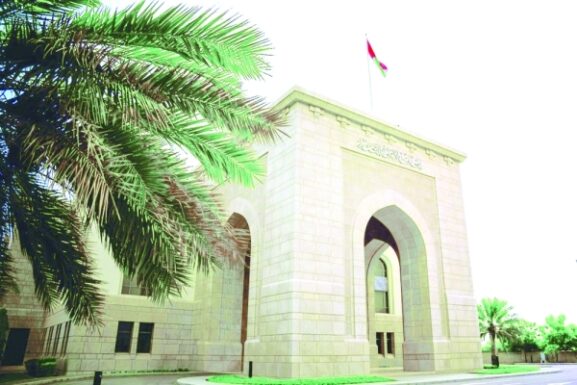
تحليل خاص من عمانت | تصفح سوق عُمان
تُبرز التوترات المتصاعدة حول مضيق هرمز وتقلبات أسعار النفط كلا الأمرين المخاطر الجيوسياسية ونقاط الضعف في الإمدادات للشركات التي تعتمد على الطاقة في سلطنة عمان. ينبغي على رواد الأعمال والمستثمرين مراقبة التطورات الدبلوماسية عن كثب وتنويع المخاطر, إذ قد تؤثر اضطرابات تدفق النفط بشكل كبير على الأسواق الإقليمية، بينما قد تُسهم محادثات وقف إطلاق النار المحتملة في استقرار الإمدادات على المدى المتوسط. وسيكون التموضع الاستراتيجي في مجالات الخدمات اللوجستية والطاقة البديلة وإدارة المخاطر أمراً بالغ الأهمية في التعامل مع هذا الوضع المتقلب.