ارتفاع أسعار الأسهم وانخفاض أسعار النفط إلى ما دون 1000 روبية: ماذا يعني وقف إطلاق النار الإيراني للمستثمرين والشركات في سلطنة عمان؟
لندن/سنغافورة - انخفضت أسعار النفط إلى ما دون 1.4 تريليون و1.1 تريليون دولار للبرميل يوم الأربعاء، بينما ارتفعت أسعار الأسهم والسندات، عقب إعلان الرئيس الأمريكي دونالد ترامب عن وقف إطلاق نار لمدة أسبوعين مع إيران. وقد خفف هذا التطور من حدة التوتر في الأسواق، ورفع الآمال في استئناف تدفقات النفط والغاز عبر مضيق هرمز ذي الأهمية الاستراتيجية البالغة.
أعلن الرئيس ترامب وقف إطلاق النار قبل أقل من ساعتين من الموعد النهائي الذي حدده لإيران لإعادة فتح المضيق، محذرًا من أن عدم الامتثال سيؤدي إلى ضربات مدمرة على البنية التحتية المدنية الإيرانية. وردت إيران بالموافقة على وقف الهجمات المضادة وضمان المرور الآمن عبر الممر المائي، شريطة توقف الهجمات ضدها. وأثار انتعاش السوق تجدد الحديث عن ما يُسمى بـ"صفقة تاكو" (ترامب دائمًا ما يتراجع)، مما يعكس تراجعات سابقة في السياسة. ومع ذلك، حذر المحللون من أن الأضرار الواسعة النطاق التي لحقت بالبنية التحتية للطاقة في جميع أنحاء الشرق الأوسط خلال الصراع الذي استمر شهرًا قد تفرض ضغوطًا طويلة الأمد على الاقتصاد العالمي، وأن السلام الدائم لا يزال غير مؤكد.
وصف نبيل ملالي، مدير المحافظ الاستثمارية في شركة إدموند دي روتشيلد، إعلان وقف إطلاق النار بأنه "راحة كبيرة"، مشيرًا إلى أن ترامب قدّر أن أي تصعيد إضافي سيؤدي على الأرجح إلى نتائج عكسية. وقال ملالي: "لقد لجأ إلى الخيار الوحيد المتبقي أمامه، وهو فرض حظر تجول أحادي الجانب". وأضاف أن أسعار النفط من المتوقع أن تظل "مرتفعة هيكليًا" لبعض الوقت. وانخفضت العقود الآجلة لخام برنت بمقدار 13.71 دولارًا لتصل إلى 94.29 دولارًا للبرميل، بينما انخفضت العقود الآجلة للخام الأمريكي بمقدار 161 دولارًا لتصل إلى 94.93 دولارًا، إلا أن كلا السعرين ظلا أعلى بكثير من مستويات ما قبل النزاع.
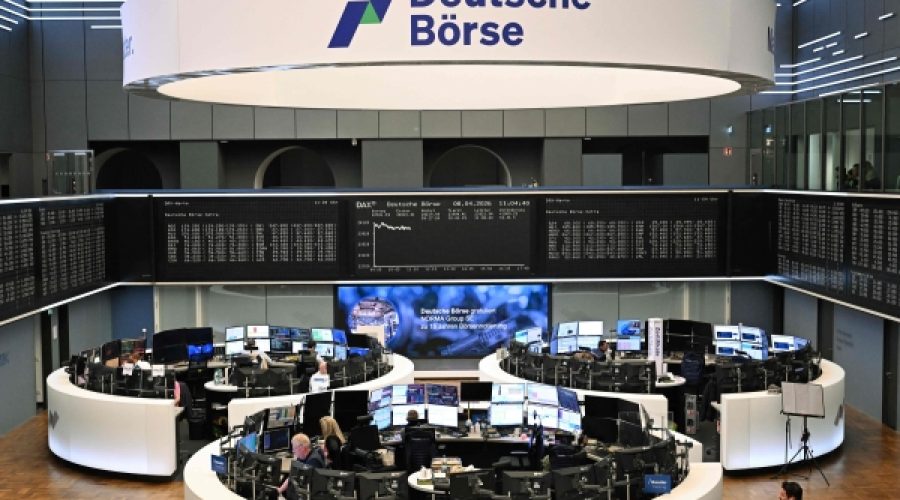
ارتفعت الأسهم الأوروبية بنسبة 41%، في أعقاب مكاسب قوية في الأسواق الآسيوية. وأشارت العقود الآجلة في وول ستريت إلى ارتفاعات تراوحت بين 2.71% و3.51%. وتراجع الدولار الأمريكي بشكل عام، متراجعًا عن دوره كملاذ آمن خلال هذه الأزمة، حيث انخفض مؤشر الدولار مقابل العملات الرئيسية إلى 98.842. وعلق مات سيمبسون، كبير محللي السوق في شركة ستون إكس، قائلاً: "يمكن للأسواق أن تقلق بشأن التعقيدات لاحقًا. في الوقت الحالي، مُنحت الضوء الأخضر للارتفاع".“
لا يزال المستثمرون حذرين بعد انحسار الأزمة، منتظرين مؤشرات على حلٍّ أوسع قبل اتخاذ أي خطوات جوهرية. وأشار مارتن ويتون، رئيس استراتيجية الأسواق المالية في بنك ويستباك، إلى أنه "هل يعني ذلك أن الناس سيقدمون على مخاطر جديدة؟ كلا، ليس بالضرورة. يجب أن يكون هناك سلام دائم لتغيير الوضع. الناس في الواقع لا يقدمون على المخاطرة".“
ارتفعت أسعار الذهب بمقدار 1.71 ضعف سعر الأونصة، لتصل إلى 4783 دولارًا. كما شهدت سندات الخزانة الأمريكية ارتفاعًا ملحوظًا، حيث أعاد المتداولون النظر في إمكانية خفض أسعار الفائدة من قبل مجلس الاحتياطي الفيدرالي في وقت لاحق من العام. ومع ذلك، فإن الشكوك حول عودة أسعار النفط إلى مستويات ما قبل النزاع قد حدّت من الحماس. وانخفض عائد سندات الخزانة الأمريكية القياسية لأجل 10 سنوات إلى 4.2438 ضعف سعر الأونصة، وهو أدنى مستوى له منذ منتصف مارس، بينما انخفض عائد سندات الخزانة لأجل عامين إلى 3.7318 ضعف سعر الأونصة. كما انخفضت عوائد السندات الحكومية الأوروبية بشكل حاد، حيث دفع وقف إطلاق النار المتداولين إلى خفض توقعاتهم بشكل كبير بشأن المزيد من رفع أسعار الفائدة من قبل البنك المركزي الأوروبي.
قال روهان خانا، رئيس استراتيجية أسعار الفائدة باليورو في بنك باركليز: "سيحدد تطور أسعار النفط ما إذا كان هذا الارتفاع في أسعار السندات سيستمر أم سيتلاشى، وذلك تبعًا لسير المفاوضات". وأضاف: "على المدى القريب جدًا، قد يُزيل ذلك الدافع لدى البنك المركزي الأوروبي لرفع أسعار الفائدة في أبريل، وقد أعاد السوق تقييم ذلك الاجتماع وفقًا لذلك. لكن الاجتماع لا يزال على بُعد ثلاثة أسابيع، وهي مدة طويلة في هذه الأسواق".“
تحليل خاص من عمانت | تصفح سوق عُمان
يوفر وقف إطلاق النار بين الولايات المتحدة وإيران انتعاش السوق على المدى القصير وانخفاض محتمل في أسعار النفط، مما قد يساهم في استقرار تكاليف الطاقة للشركات في سلطنة عمان. ومع ذلك، فإن بيئة أسعار النفط المرتفعة هيكلياً والمخاطر الجيوسياسية لا تزال الأسعار مرتفعة، مما يشير إلى فرص سانحة لمستثمري قطاع الطاقة للاستفادة من ارتفاع الأسعار المستمر وإعادة بناء البنية التحتية. ينبغي على المستثمرين الأذكياء مراقبة تطورات الاستقرار الإقليمي كمؤشر رئيسي لـ ثقة السوق على المدى الطويل وتوقيت الاستثمار.