Strait of Hormuz Blockage: Implications for Trade and Investment Opportunities in Oman
Traffic in the Strait of Hormuz Remains Disrupted Amid U.S.-Iran Naval Skirmishes
Traffic in the Strait of Hormuz continued to be significantly restricted on Saturday following recent naval conflicts between U.S. and Iranian forces, escalating tensions in this crucial shipping corridor.
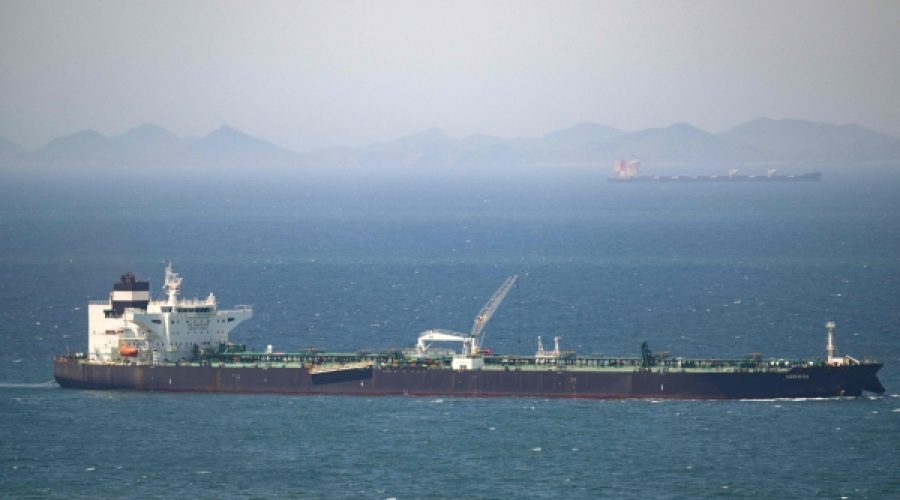
For several weeks, the narrow passage connecting the Persian Gulf and the Arabian Sea has been obstructed by competing blockades imposed by both sides in the conflict. Currently, approximately 1,600 vessels are stranded in the Persian Gulf.
Since April 13, the U.S. Navy has intercepted and redirected 58 commercial ships attempting to enter or leave Iranian ports, and according to Central Command, four ships that failed to comply with U.S. orders were "disabled."
Both the United States and Iran engaged in hostile rhetoric over the weekend. Iran’s Revolutionary Guard navy warned that any assault on its vessels would result in a "heavy assault" on American ships and other U.S. assets in the region. Meanwhile, President Trump shared a meme depicting Iranian warships sunk to the ocean floor.
Data from MarineTraffic, a global maritime tracking organization, indicates that at least six cargo ships have successfully navigated the Strait of Hormuz since Wednesday, although no tankers have managed to do so. Tracking from the London Stock Exchange Group reveals a decline in ship movements through the strait each day since Monday, building on an already low volume.
It’s important to note that intelligence data may not fully capture the situation, as some vessels occasionally turn off or falsify their location signals. Nonetheless, the available data reflects a marked decrease in traffic in recent days, even compared to other periods during the ceasefire that began on April 7.
On Thursday, new engagements were reported in the strait, with the United States claiming it targeted military sites in Iran after Iranian forces attacked three American destroyers. The following day, U.S. forces stated they had fired on two Iranian-flagged oil tankers, rendering them inoperable as they approached an Iranian port.
Iran claimed its attack on American warships was a retaliation for what it described as U.S. ceasefire violations, including strikes along Iran’s southern coastline. Iranian forces escalated their activities on Friday by seizing a Chinese-owned oil tanker in the strait.
Additionally, Iranian news agency Mehr reported that an American attack had struck six vessels at Khasab port, resulting in six people being reported missing. As of Saturday evening, there had been no confirmation from U.S. sources regarding this incident.
Amid rising tensions between the U.S. and Iran, other nations began taking actions to address the crisis in the Strait of Hormuz, which has pushed energy prices up and shaken markets globally, threatening serious repercussions for the world economy.
On Saturday, Britain announced the deployment of a destroyer ship to the region as a preparatory measure for a future mission aimed at securing safe navigation through the strait. Additionally, Britain and France are planning a "multinational coalition" to facilitate safe passage for vessels in the strait once the conflict has subsided, although specific details remain scarce.
According to various vessel-tracking intelligence firms, a Qatar-owned gas tanker was attempting to navigate the Iranian side of the Strait of Hormuz on Saturday, heading toward Pakistan. If it successfully crosses, it would mark the first Qatari natural gas tanker to do so since the onset of the conflict.
As of Saturday night, it remains unclear if the tanker has made it safely into the Gulf of Oman. However, extrapolated data from the London Stock Exchange Group suggests that it may have successfully traversed the strait. QatarEnergy, the state-run company managing the tanker, has not yet provided public comments on the matter.
Under normal conditions, around 130 vessels transit the strait daily, transporting roughly a fifth of the world’s oil supply, as well as significant quantities of natural gas, fertilizer, and various other goods.
ظهرت هذه المقالة أصلا في صحيفة نيويورك تايمز.
تحليل خاص من عمانت | تصفح سوق عُمان
الجاري tensions in the Strait of Hormuz pose significant risks for businesses in Oman, particularly those reliant on global shipping routes, as disruptions could lead to increased costs and volatility in energy prices. ينبغي على المستثمرين ورواد الأعمال الأذكياء مراقبة هذه التطورات عن كثب, as opportunities may arise in sectors such as logistics and maritime security. Additionally, diversifying supply chains and exploring alternative shipping routes could mitigate exposure to the strait’s risks during this period.