وول ستريت تستشير مستشاري الأمن بشأن المخاطر الإيرانية: ما يحتاج المستثمرون إلى معرفته لاتخاذ القرارات الاستراتيجية
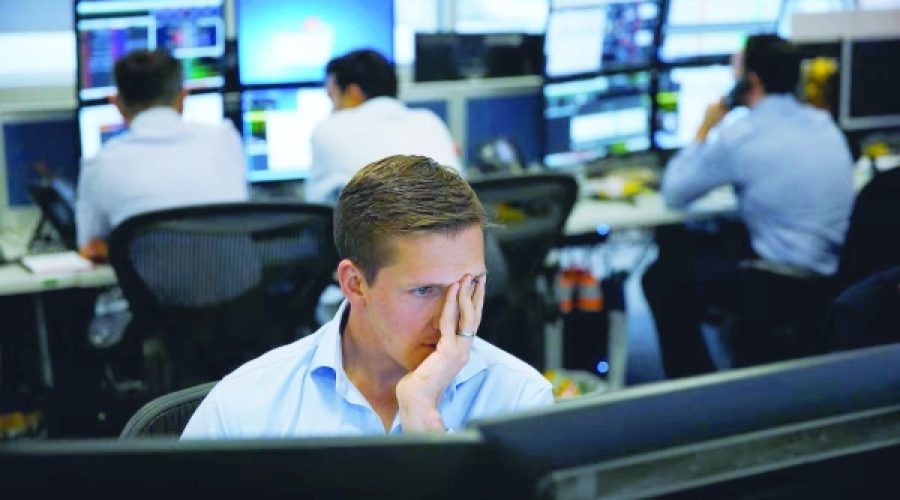
واشنطن/نيويورك - تعتمد شركات وول ستريت بشكل متزايد على خبراء عسكريين وخبراء أمن قومي سابقين للتغلب على حالة عدم اليقين المتزايدة المحيطة بالصراع الإيراني، والذي له آثار كبيرة على أسعار النفط وطرق الشحن واستقرار السوق بشكل عام.
يُسلّط هذا التحوّل الضوء على اتجاه أوسع في التمويل العالمي، حيث باتت الاضطرابات الجيوسياسية تُعتبر مخاطر سوقية مباشرة وليست مجرد مخاوف بعيدة. بالنسبة للمستثمرين، تجاوز الصراع في الخليج السياسة الخارجية، ليصبح عاملاً حاسماً في تكاليف الطاقة، وديناميكيات التجارة، وإدارة المحافظ الاستثمارية.
كشف مستشارون أن العديد من الشركات كانت تستعد بالفعل لعمل عسكري محتمل حتى قبل الضربات الأمريكية الإسرائيلية التي أسفرت عن مقتل المرشد الأعلى الإيراني يوم السبت 28 فبراير. وفي حوالي الساعة 6 مساءً بتوقيت شرق الولايات المتحدة يوم الجمعة السابق، أبلغت شركة WestExec Advisors - وهي شركة استشارات في مجال المخاطر الجيوسياسية تخدم عملاء ماليين كبار - عملاءها باحتمالية 65% لعمل عسكري في نهاية ذلك الأسبوع، وفقًا للشريك الإداري نيتين تشادا.
“وأوضح تشادا قائلاً: "كان من الواضح لنا أن هناك نية لتنفيذ عمل عسكري كبير ضد إيران"، مشيراً إلى ارتفاع حاد في الطلب من البنوك والمستثمرين الذين يسعون للحصول على مساعدة في وضع نماذج للسيناريوهات المحتملة.
ازداد الطلب على الاستشارات الجيوسياسية باطراد خلال السنوات الأخيرة، مدفوعاً في البداية بتصاعد التوترات بين الولايات المتحدة والصين، ثم بجائحة كوفيد-19 والحرب في أوكرانيا. وقد زاد الصراع الأخير في الشرق الأوسط من حدة هذا الطلب، حيث يتوق المستثمرون إلى فهم التأثير المحتمل على سلاسل إمداد الطاقة، وممرات الشحن، والقطاعات الحساسة.
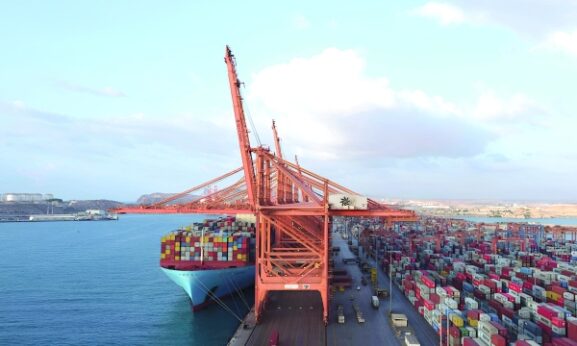
أصبح المستشارون والمصرفيون والمستثمرون يستفسرون بشكل متكرر عن قضايا بالغة الأهمية مثل نقل النفط عبر مضيق هرمز، وأقساط التأمين، والاضطرابات التي تطرأ على الشحن، والآثار المتتالية على القطاعات المعرضة لمخاطر الطاقة وسلاسل التوريد.
“"ما نراه من القطاع المالي هو التقارب المتسارع بين الأمن القومي والأمن الاقتصادي"، هذا ما قالته آمي ميتشل، الشريكة المؤسسة لشركة كيلو ألفا ستراتيجيز والمستشارة السابقة في البنتاغون.
جاءت هذه الضربات عقب ثلاثة أسابيع من المفاوضات الأمريكية الإيرانية بشأن البرنامج النووي الإيراني، والتي هدد خلالها الرئيس الأمريكي دونالد ترامب مراراً باستخدام القوة العسكرية، في حين عززت الولايات المتحدة وجودها العسكري في الخليج. ورغم عدم التوصل إلى أي تقدم ملموس، أشار الوسطاء العمانيون إلى إحراز تقدم وأن المحادثات ستُستأنف قريباً.
مع ذلك، لاحظ بعض المستشارين مؤشرات على تراجع الجهود الدبلوماسية. وأشار تشادا إلى أنه على الرغم من عدم اطلاع قيادة العمليات الخارجية الغربية على خطط الحرب الرسمية، إلا أن الإحباط المتزايد كان واضحًا بين المشاركين في المفاوضات. وشملت المؤشرات الأخرى وصول حاملة الطائرات الأمريكية جيرالد فورد إلى إسرائيل، وتقارير عن مغادرة بعض موظفي السفارة الأمريكية للمنطقة.
كما لفت النشاط غير المعتاد في سندات الخزانة الأمريكية الأنظار. فعلى الرغم من ارتفاع معدلات التضخم عن المتوقع، اتجه المستثمرون نحو السندات الحكومية طويلة الأجل، مما يشير إلى تفضيلهم للملاذ الآمن وسط حالة عدم اليقين التي تلوح في الأفق.
مع تصاعد التوترات، تعمل الشركات المالية الرائدة على تعزيز خدماتها الاستشارية الجيوسياسية، ويطلب المستثمرون تحديثات مستمرة حول التطورات التي تؤثر على النفط والشحن وتداعيات السوق الأوسع.
“"لقد كان عملاً متواصلاً على مدار الساعة، حيث تم الرد على أسئلة محددة للغاية من العملاء من مختلف القطاعات، بما في ذلك المستثمرين والمتخصصين في قطاع الطاقة"، كما قال تيدي بونزل، رئيس قسم الاستشارات الجيوسياسية في لازارد.
— رويترز
تحليل خاص من عمانت | تصفح سوق عُمان
يشير تزايد دمج المخاطر الجيوسياسية في عملية صنع القرار المالي وسط الصراع الإيراني إلى تزايد تقلبات السوق واضطرابات سلسلة التوريد, ويؤثر ذلك بشكل خاص على قطاعي الطاقة والشحن في سلطنة عمان. وبالنسبة للمستثمرين والشركات الذكية في سلطنة عمان، فإن هذا يخلق فرصاً لكلا الأمرين مخاطر على استقرار أسعار النفط وأمن خطوط الشحن ولكن أيضًا فرص للاستفادة من موقع عُمان الاستراتيجي كوسيط مستقر ومركز للطاقة. وسيكون التفاعل الاستباقي مع المعلومات الجيوسياسية واستراتيجيات التنويع أمر بالغ الأهمية لتحقيق المرونة والاستفادة من تحولات السوق الناشئة.