إغلاق مضيق هرمز يعطل سلاسل التوريد: ماذا يعني تغيير مسار المستوردين في الخليج لأعمالك في سلطنة عمان؟
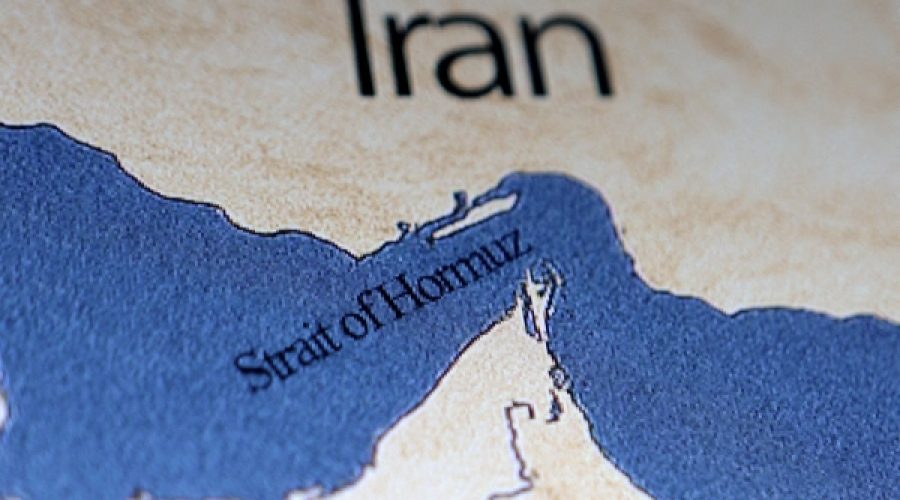
دبي - يسعى المستوردون في جميع أنحاء منطقة الخليج بشكل عاجل إلى إيجاد طرق بديلة للسلع الأساسية - بما في ذلك المواد الغذائية والأدوية والإمدادات الصناعية - بسبب الإغلاق الفعلي لمضيق هرمز، وهو ممر ملاحي حيوي لدول الخليج التي تعتمد على الاستيراد.
لم يقتصر تأثير تعليق الملاحة التجارية عبر هذا الممر المائي الحيوي، نتيجةً للصراع الأمريكي الإسرائيلي الإيراني المستمر، على تعطيل صادرات النفط الخليجية فحسب، بل أدى أيضاً إلى تقلبات في أسواق الطاقة العالمية. وبالإضافة إلى المواد الهيدروكربونية، يُجبر هذا الإغلاق على إجراء تعديلات سريعة ومكلفة على سلاسل التوريد لضمان استمرار تدفق الواردات الأساسية. ويواجه مقدمو الخدمات اللوجستية تحدياتٍ جمة، منها تغيير مسارات السفن، وزيادة الاعتماد على النقل البري، ومنع تلف البضائع القابلة للتلف.
حذر رونان بوديت، رئيس قسم الحاويات في شركة تحليلات البيانات Kpler، من أن "سعر الإمدادات سيرتفع بشكل كبير للغاية"، مشيراً على وجه التحديد إلى أن نقل البضائع بالشاحنات من الموانئ البديلة إلى دبي قد يكلف أضعاف تكلفة الشحن البحري.
التحويلات والنقل البري
أشارت بيانات شركة كيبلر إلى أنه في 28 فبراير، قبيل اندلاع الأعمال العدائية، توجهت 81 سفينة حاويات إلى موانئ داخل مضيق هرمز. ومنذ ذلك الحين، غيّرت 43 سفينة مسارها إلى موانئ أخرى في الخليج، بينما تم تحويل مسار السفن المتبقية بالكامل خارج منطقة الخليج.
نظراً لمناخ الخليج الجاف واعتماده الكبير على الواردات، يمرّ ما يقارب 701 تريليون طن من الإمدادات الغذائية عبر مضيق هرمز إلى مراكز رئيسية مثل ميناء جبل علي في دبي. وبينما تأثرت الواردات بشكل عام، يبقى الغذاء عرضةً للخطر بشكل خاص.
أشار كريستوف بيلوك، ممثل جمعية إنترفيل الفرنسية للفواكه والخضراوات، إلى مثالٍ لخمسة آلاف طن متري من التفاح الفرنسي المُتجه إلى دبي، والتي لا تزال عالقة في منتصف الطريق. وقد تكبّدت هذه البضائع رسومًا إضافية على الشحن البحري بلغت 900 ألف يورو (140 مليون دولار أمريكي) في الأيام الأولى للنزاع. ويعمل المصدرون، بمن فيهم شركة بلو ويل التي يملكها بيلوك، على إعادة توجيه الشحنات إلى موانئ بديلة، على الرغم من أن وثائق الصحة النباتية مرتبطة بالوجهة الأصلية، مما يُعقّد العملية.
“وأوضح بيلوك قائلاً: "بالنسبة للسلع القابلة للتلف، يمكننا تحمل تأخير لمدة 15 يومًا، ولكن ليس أكثر من ذلك بكثير".
تتزايد عمليات تفريغ البضائع في موانئ تتجاوز مضيق هرمز، مثل الفجيرة وخورفكان في الإمارات العربية المتحدة، وصحار في سلطنة عمان، حيث تقوم الشاحنات بنقل الحاويات إلى وجهاتها النهائية. إلا أن هذه الموانئ الصغيرة تفتقر إلى القدرة الاستيعابية للمراكز الأكبر حجماً مثل جبل علي، مما يؤدي إلى ازدحام مروري وإطالة أوقات التخليص الجمركي.
أكد غاوراف بيسواس، الرئيس التنفيذي لشركة الخدمات اللوجستية TruKKer، أن مشغلي الموانئ يمددون ساعات العمل ويفتحون مسارات إضافية لاستيعاب الزيادة في حجم الشحنات. وتخطط TruKKer لزيادة حركة الشاحنات اليومية من 60 إلى 500 شاحنة لتلبية الطلب. ومع ذلك، تواجه الشحنات العابرة للحدود تأخيرات بسبب تشديد إجراءات التفتيش الحدودي، وقد رفعت الشركة أسعارها بمقدار 51 طنًا لكل 3 أطنان لتصل إلى 151 طنًا لكل 3 أطنان على الطرق المتجهة إلى المملكة العربية السعودية، مما يعكس ارتفاع تكاليف الوقود وتعقيدات العمليات.
نقاط الضعف والاستجابات الإقليمية
على الرغم من كونها خارج مضيق هرمز، لا تزال الموانئ الإقليمية عرضة للخطر. فقد كان ميناء الفجيرة، الذي يدير شحنات الحاويات ومحطة تصدير رئيسية للنفط الخام، هدفًا لهجمات إيرانية متكررة. كما واجهت موانئ عمانية أخرى، بما فيها الدقم وصلالة، تهديدات مماثلة. وحذّر مدير سلسلة التوريد في قطاع السلع الاستهلاكية سريعة التداول من أن عمليات الإغلاق أو الهجمات الإضافية قد تؤدي إلى مزيد من التأخير في الشحنات وارتفاع التكاليف.
استجابةً لهذه المخاطر، تتجنب بعض متاجر التجزئة في الخليج الطرق البحرية تمامًا. فقد نقلت سلسلة متاجر لولو ريتيل، وهي سلسلة متاجر كبرى، جوًا أكثر من 160 طنًا من اللحوم والمنتجات الطازجة هذا الشهر، وتخطط لمزيد من الشحنات الجوية للحفاظ على مستويات المخزون في الإمارات. ومع ذلك، فقد عانت مراكز النقل الجوي الإقليمية الرئيسية، مثل أبوظبي والدوحة، من اضطرابات أيضًا. إذ تسبب هجوم بطائرة مسيرة على مطار دبي الدولي مؤخرًا - وهو الثالث منذ بدء النزاع - في توقف حركة الطيران لعدة ساعات.
على الرغم من هذه التحديات اللوجستية، لم تحدث أي نقص في السلع. وقد أكدت حكومة الإمارات العربية المتحدة للجمهور أن المخزونات الاستراتيجية تكفي لمدة تتراوح بين أربعة وستة أشهر من السلع الأساسية.
أكد يوفراج نارايان، الرئيس التنفيذي لشركة موانئ دبي العالمية، التي تدير موانئ جبل علي وموانئ أخرى في آسيا، أن الشركات تُجري تعديلات على عملياتها. وأشار إلى أن شركات الشحن تُخزّن البضائع في الهند وباكستان تمهيداً لنقلها عبر سفن الشحن إلى موانئ الإمارات العربية المتحدة مثل الفجيرة وخورفكان، مع توقعات بزيادة النشاط في موانئ البحر الأحمر، بما في ذلك جدة في المملكة العربية السعودية والسخنة في مصر.
“قال نارايان: "لدينا بالفعل جسور برية وسكك حديدية تضمن وصول السلع الأساسية إلى الإمارات العربية المتحدة. وهناك الكثير من عمليات إعادة التوجيه الجارية".”
تؤكد هذه الأزمة المتفاقمة على حاجة الخليج الملحة إلى تنويع وتعزيز طرق الإمداد لحماية وارداته الحيوية وسط التوترات الجيوسياسية المستمرة.
تحليل خاص من عمانت | تصفح سوق عُمان
يُجبر إغلاق مضيق هرمز الشركات الخليجية، بما في ذلك تلك الموجودة في سلطنة عمان، على إعادة النظر في سلاسل التوريد الخاصة بها. زيادة الاعتماد على موانئ بديلة مثل صحار والطرق البرية المكلفة، مما يزيد من نفقات الخدمات اللوجستية. هذا الاضطراب. يُتيح ذلك فرصاً للموانئ العمانية لتوسيع طاقتها الاستيعابية لكنها تنطوي أيضاً على مخاطر الازدحام وارتفاع تكاليف التشغيل. ينبغي على المستثمرين ورواد الأعمال الأذكياء التفكير في هذا الأمر. الاستثمار في بنية تحتية لوجستية مرنة ومتنوعة وحلول مبتكرة لسلاسل التوريد للاستفادة من الطلب الناشئ والتخفيف من المخاطر الجيوسياسية.