إحياء الأحياء التاريخية في عُمان: ما يعنيه ذلك لمستثمري السياحة ونمو الأعمال
نزوى: يتم إحياء التراث العماني حيث تخضع الأحياء التاريخية في جميع أنحاء سلطنة عمان لعمليات ترميم وتحويل إلى وجهات سياحية نابضة بالحياة تجمع بين الأصالة ووسائل الراحة الحديثة.
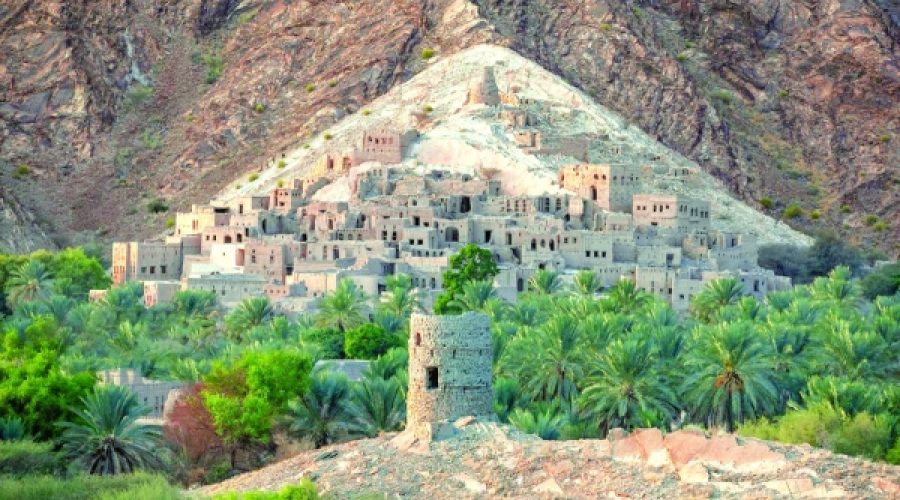
يتم الحفاظ بدقة على السمات التقليدية مثل الأزقة الضيقة والمنازل الطينية والتفاصيل المعمارية التي يعود تاريخها إلى قرون مضت، بينما يتم إعادة تشكيل هذه المناطق لتصبح مراكز ديناميكية تجذب الزوار محليًا ودوليًا.
هذه المبادرة هي جهد تعاوني بين وزارة التراث والسياحة والمجتمعات المحلية المكرسة لحماية الهوية الثقافية وترميم التراث المعماري.
أكدت أسماء بنت هلال الخروسي، القائمة بأعمال مدير إدارة القلاع والحصون والمعالم التاريخية بالوزارة، على التركيز المزدوج للمشروع: “"تضمن خططنا ألا تكون الأحياء القديمة مجرد معالم صامتة، بل مساحات نابضة بالحياة تعكس الهوية العمانية والثقافة والتنمية الاقتصادية."”
تشمل أنشطة الترميم توثيق الأحياء التاريخية، وحماية التراث الحضري، وتشجيع الاستثمار في النُزُل التراثية والمقاهي التقليدية ومراكز الحرف اليدوية. كما يجري العمل على تحسين البنية التحتية للزوار، مثل المسارات المصحوبة بمرشدين واللافتات والمرافق، لتقديم تجربة سياحية متكاملة.
ومن الأمثلة البارزة على ذلك حي الحمراء، الواقع على سفح جبل يُطل على واحة زراعية، ويضم نظام الري التاريخي بالأفلاج. وقد أوضح سلطان بن سيف العبري، عضو اللجنة المحلية، أن أعمال التطوير بدأت عام ٢٠١٤ بإعادة تأهيل القنوات الزراعية والطرق، وتعبيد أكثر من ٦٠٠٠ متر من المسارات. واليوم، تُقدم الحمراء جولات بالدراجات الهوائية والخيول، وجولات بالسيارات الكهربائية الصديقة للبيئة، مما يدعم السياحة ويشجع على أنماط حياة صحية.
تشمل المشاريع الرئيسية في هذه الأحياء ترميم الساحات التاريخية مثل ساحة السلف وساحة الصباحات، وإعادة تأهيل سدرة العريش، وتركيب 400 مصباح يعمل بالطاقة الشمسية بدعم من شركة نقل الكهرباء العمانية. وقد ساهمت هذه الجهود، بالتنسيق مع السكان المحليين، في ظهور نُزُل تراثية ومقاهٍ ومشاريع تجارية صغيرة أخرى، مما أدى إلى خلق فرص اقتصادية والحفاظ على هوية الأحياء.
يؤكد مستثمرون مثل سالمين المحروقي، صاحب مقهى كادام في بهلاء، على أهمية الجمع بين الفخامة العصرية والتراث لخلق تجارب سياحية فريدة. وأشار المرشد السياحي محمد بن عبد الله الدغيشي إلى أن الزوار ينجذبون بشدة إلى التاريخ الحي الذي تجسده هذه الأحياء.
تُجسّد هذه المشاريع كيف يمكن للأحياء التاريخية العُمانية أن تُصبح أصولاً ثقافية واقتصادية مستدامة، تُعيد إحياء المناطق التي كادت تُنسى مع الحفاظ على طابعها الأصيل. — وكالة الأنباء العُمانية
تحليل خاص من عمانت | تصفح سوق عُمان
يمثل ترميم الأحياء التاريخية العمانية وتحويلها إلى مراكز سياحية نابضة بالحياة ما يلي: فرصة فريدة للشركات للاستفادة من قطاع السياحة الثقافية المتنامي مع تعزيز التنمية المجتمعية المستدامة. ينبغي على المستثمرين الأذكياء مراعاة ذلك. مزيج من وسائل الراحة الحديثة وتجارب التراث الأصيل لجذب السياح المميزين، وخلق سوق متخصصة ومتميزة. ومع ذلك، فإن الحفاظ على التوازن الدقيق بين الحفاظ على التراث واستغلاله تجارياً سيكون أمراً بالغ الأهمية لحماية القيمة الثقافية على المدى الطويل ودعم المجتمع المحلي.