Modern Real Estate Laws and Increasing Returns: Key Insights for Investors in Oman’s Booming Market
The Sultanate of Oman is entering a new era of real estate development in 2026, driven by economic diversification, progressive legislation, and significant urban projects that reinforce its status as an attractive investment hub in the region. The demand for residential, commercial, and tourism properties is on the rise, drawing in local, Gulf, and international investors seeking reliable returns and sustainable growth prospects.
Recent indicators from the National Centre for Statistics and Information highlight the sector’s vitality, with the Oman Real Estate Price Index reporting a 15.9% increase in the first quarter of 2026 compared to the same period in the previous year. This surge underscores strong demand and sustained investment activity.
Additionally, the total value of real estate transactions reached RO 678.1 million by March 2026, reflecting an 18.4% year-on-year growth, which manifests the market’s dynamism and investor confidence.
In the residential sector, the index rose by 17.6%, buoyed by a 21% increase in residential land prices، أ 9% rise in villa prices, and a 4.4% increase in apartment prices. Commercial real estate also experienced growth, at 10.5%, largely due to increased prices for industrial and commercial land.
The Muscat Governorate led this growth, recording an impressive 43.6% increase in residential land prices in the first quarter of this year. It was followed by Al Buraimi Governorate at 25.9%, مسندم في 17.6%, وظفار في 10.8%.
This rapid development is indicative of an escalating demand for modern residential projects and comprehensive communities that provide a refined living experience to citizens, residents, and investors.
The real estate sector stands to benefit significantly from the objectives outlined in Oman Vision 2040, which emphasizes economic diversification and a heightened focus on non-oil sectors such as tourism, logistics, and manufacturing. This expansion is anticipated to boost demand for contemporary offices, commercial spaces, and employee housing, creating new investment opportunities with promising returns.
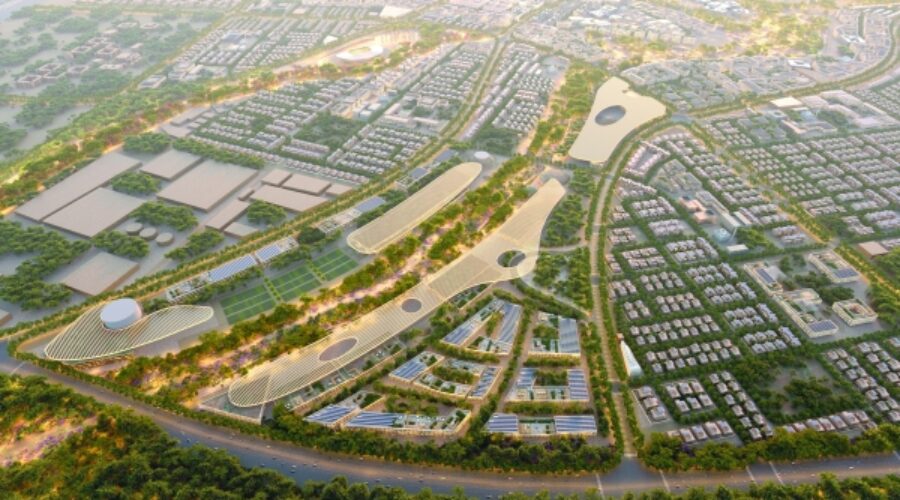
Several large-scale projects are currently being launched in Oman that integrate residential, hospitality, and smart service elements. These include integrated tourism complexes, Sultan Haitham City, the AIDA project in Yiti, and Wadi Zaha, alongside logistics initiatives tied to special economic zones.
In the Duqm Special Economic Zone, the first phase of the Maysan Square – Duqm Residence project has been inaugurated, featuring 104 residential units and 130 commercial units with investments surpassing 10 million Omani rials and contributions from investors across 22 countries.
A significant advancement in the real estate framework is marked by Royal Decree No. (56/2026), which introduces the new Real Estate Registry Law. This legislation heralds a major digital transformation within the sector, greatly enhancing investor confidence.
The law grants full legal status to electronic records and documents while requiring the registration of real estate ownership rights, which will enhance transparency, safeguard rights, and improve the reliability of real estate transactions. Furthermore, it allows for property registration under the names of non-Omanis, companies, and legal entities, subject to regulations, thereby enhancing the market’s appeal to international investors and facilitating foreign capital inflow.
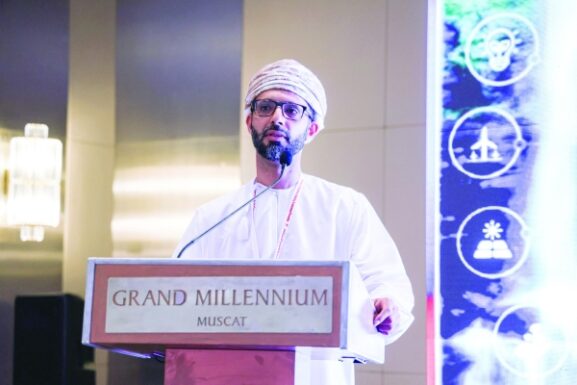
Ali al Issai, Secretary of the Real Estate Registry at the Ministry of Housing and Urban Planning, noted during a media briefing that the current growth in Oman’s real estate and investment sector can be attributed to a regulatory and planning environment that has bolstered investor confidence.
The Ministry also stated that the new law is a critical foundation for establishing a more efficient and stable investment landscape, which will support real estate development projects, off-plan sales, and future urban expansion.
Efforts by the Omani government to refine the real estate investment framework also include streamlining ownership procedures for foreigners within integrated tourism complexes and freehold areas. The absence of capital gains tax on real estate, along with residency programs linked to real estate investments, further enhances the market’s appeal.
Oman’s real estate market offers a diverse array of investment opportunities catering to various strategies, including:
-
Residential Units and Integrated Complexes: There is a growing appetite for apartments and villas in integrated tourism complexes, especially those that feature smart city and sustainability initiatives.
-
Tourism and Hospitality Properties: The expanding tourism sector, particularly in Muscat and Dhofar, has made hotel apartments and coastal resorts highly attractive for rental income.
-
Offices and Commercial Spaces: The growth of both foreign and local businesses is fueling demand for modern offices and commercial facilities in major urban centers and economic zones.
-
Logistics and Industrial Properties: Continued growth in ports and special economic zones, particularly in Al Duqm and Suhar, presents long-term investment prospects.
تحليل خاص من عمانت | تصفح سوق عُمان
Oman’s real estate sector is entering a promising growth phase, fueled by economic diversification and significant urban developments. This presents فرص للمستثمرين المحليين والدوليين, particularly in residential, commercial, and tourism properties, while new legislation enhances ثقة المستثمرينينبغي على المستثمرين الأذكياء أن يأخذوا في الاعتبار capitalizing on the rising demand in urban centers, as well as the potential for high returns in integrated tourism projects and logistics properties.