Global Markets Stabilize: What the US-Iran Ceasefire Means for Investors and Oil Prices
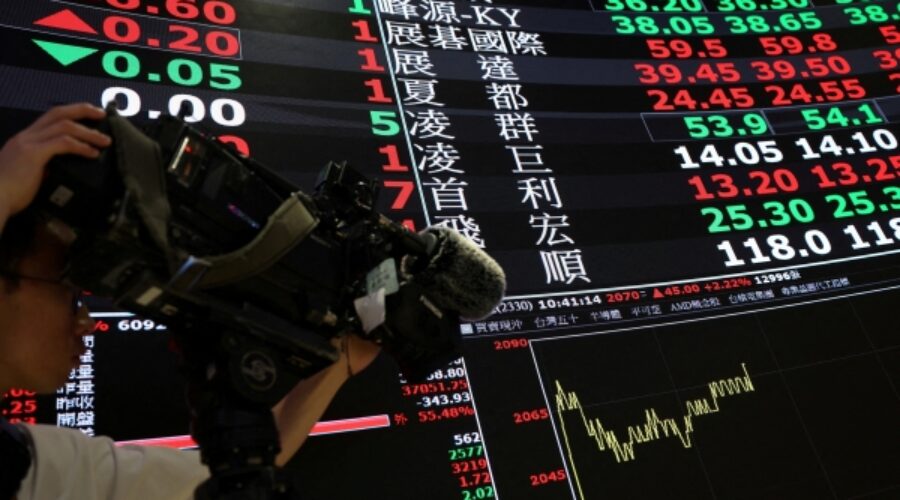
سنغافورة/لندن: European stocks and U.S. futures experienced modest gains on Monday following an agreement between the U.S. and Iran to cease hostilities and resume diplomatic discussions. This agreement contributed to a decline in oil prices, which had surged earlier in the day due to renewed conflicts between the two nations.
The decision to engage in diplomacy comes after several days of mutual attacks, triggered by an Iranian projectile striking a cargo vessel in the Strait of Hormuz last week. Both parties accused each other of violating an interim ceasefire. The European STOXX 600 index saw an increase of 0.1% during morning trading, while futures for the U.S. S&P 500 rose by 0.7%. Oil prices, which initially surged following the U.S.-Iran strikes over the weekend, eventually stabilized at around their lowest levels since the onset of the conflict. Brent crude was last recorded at $72.20 per barrel, marking a 22% decline for the month.
“The market can take some relief in the lower oil prices and their impact on the global economy,” stated Mohit Kumar, chief European economist at Jefferies. He added that reduced oil prices should stimulate a diversification trade, benefiting growth-sensitive sectors that have struggled in recent months. Meanwhile, Asian markets showed mixed results: South Korea’s KOSPI fell 0.2%, while Japan’s Nikkei gained 0.15%.
RATE HIKE EXPECTATIONS
Falling oil prices may alleviate some inflationary pressures, yet inflation rates have surged in the U.S. and other regions, intensifying calls for the Federal Reserve to increase interest rates. The heightened likelihood of a rate hike has strengthened the dollar. The dollar index, which tracks the U.S. currency against its peers, stood at 101.25, slightly below last week’s one-year high.
The Japanese yen dipped modestly to 161.80 per U.S. dollar, as concerns about potential intervention from Tokyo prevented the currency from reaching its lowest point in 40 years. Investors are now anticipating at least one Fed rate hike in the coming year, a significant shift from earlier expectations of two cuts before the recent conflict began. Strategists at Bank of America predict three rate hikes, a more aggressive outlook influenced by robust U.S. job growth. The strengthening dollar has pressured gold prices, which fell 0.6% to $4,061 per ounce, poised for a 13% decline in the second quarter, its largest quarterly drop since 2013.
TECHNOLOGY CONCERNS REMAIN
Investor sentiment continues to grapple with worries that valuations for AI-related companies may have become inflated after several years of significant growth. Futures for the tech-heavy Nasdaq rose by 1% on Monday, indicating a potential rebound after the index declined over 4% the previous week. The Bank for International Settlements has issued warnings regarding the sustainability of the current surge in AI investments, highlighting challenges such as supply bottlenecks and intense competition that could lead to overinvestment, reminiscent of past boom-and-bust cycles.
Jose Torres, senior economist at Interactive Brokers, noted that rising costs associated with modern infrastructure are causing companies to seek additional liquidity, increasing risks if those investments fail to yield expected returns. “As a result, traders have increasingly turned their focus toward more defensive and cyclically oriented sectors within the equity markets in recent weeks,” Torres explained.
تحليل خاص من عمانت | تصفح سوق عُمان
The recent agreement to resume diplomatic talks between the U.S. and Iran may ease oil price volatility، تقديم كل من الفرص والتحديات أمام الشركات العمانية reliant on oil revenues. As lower oil prices stimulate diversification, investors and entrepreneurs should pivot towards growth-sensitive sectors and prepare for potential interest rate hikes that could affect borrowing costs. Now is the time for proactive strategy in adapting to fluctuating economic conditions and exploring new markets.