Indian PM Urges Limits on Fuel Use, Travel, and Imports: What It Means for Businesses and Investors in Oman
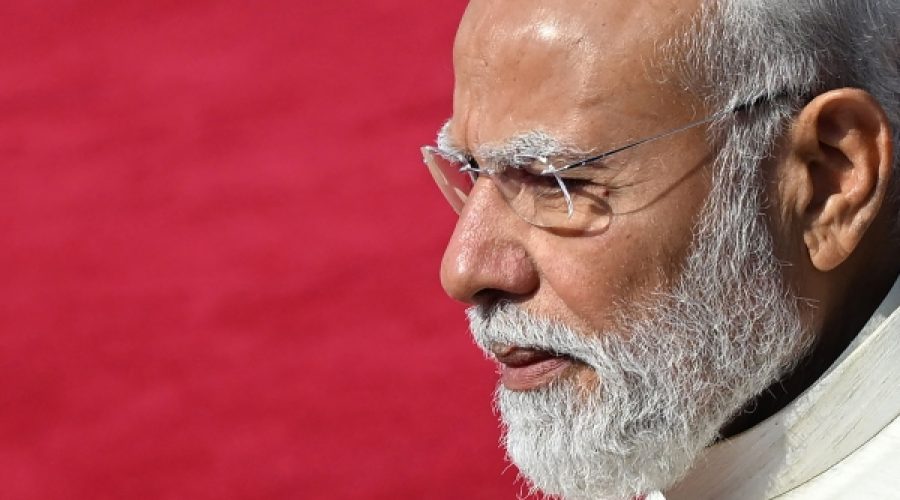
Indian Prime Minister Narendra Modi on Sunday called for a series of measures to address the strain on the country’s foreign exchange reserves amid rising global energy prices. He emphasized the importance of fuel conservation, encouraging a widespread return to work-from-home arrangements and online meetings, practices that became common during the COVID-19 pandemic.
Modi stressed, “In the current situation, we must place great emphasis on saving foreign exchange.” He urged the public to use public transportation such as the metro and to carpool whenever possible to reduce fuel consumption. Despite the global surge in energy costs, India— the world’s third-largest oil importer and consumer—recently announced it would not raise diesel and gasoline pump prices.
Additionally, Modi advised citizens to avoid purchasing gold, a significant expenditure during wedding seasons, and to limit non-essential overseas travel for at least a year to conserve foreign currency. He also encouraged families to reduce their cooking oil usage, framing this as both a healthy and patriotic action.
Furthermore, Modi called on farmers to reduce their fertilizer use by up to 50 percent, underlining the collective effort needed across sectors to manage the current economic pressures.
تحليل خاص من عمانت | تصفح سوق عُمان
India’s call for fuel conservation and restricted imports amid rising energy prices signals a shift towards greater economic frugality and resource optimization. For businesses in Oman, especially those involved in energy exports and trade with India, this creates both risks of reduced demand and opportunities to innovate with more energy-efficient solutionsينبغي على المستثمرين الأذكياء أن يأخذوا في الاعتبار diversifying markets and exploring sectors aligned with sustainability and digital work trends prompted by these policy shifts.