الصراع في الشرق الأوسط يرفع أسعار تذاكر الطيران: ما يعنيه ذلك بالنسبة لتكاليف سفر أعمالك والخدمات اللوجستية؟
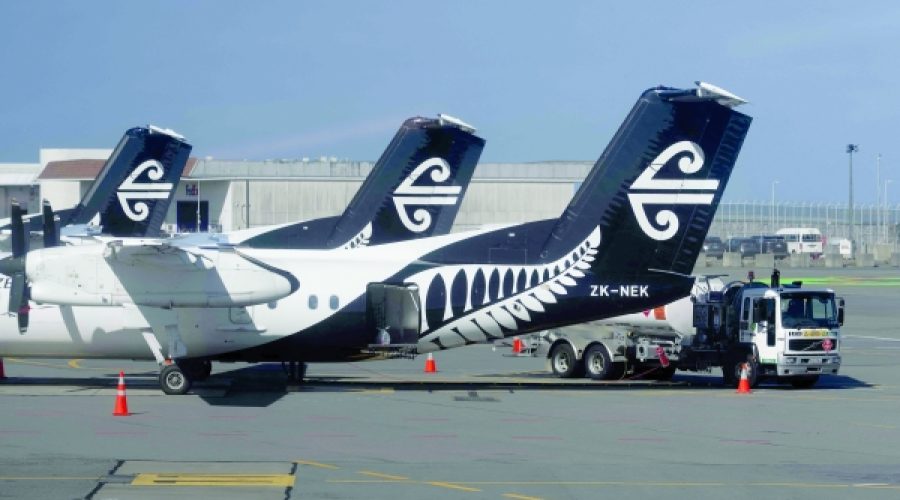
حذر ويلي والش، المدير العام للاتحاد الدولي للنقل الجوي (إياتا)، خلال فعالية لشركات الطيران في بروكسل يوم الخميس، من أن الصراع المتصاعد في الشرق الأوسط سيؤدي إلى ارتفاع أسعار تذاكر الطيران ولن يترك "أي فائزين".
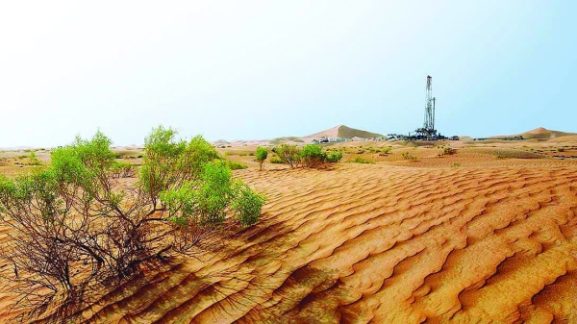
أدت الهجمات الأخيرة على منشآت النفط في الخليج إلى ارتفاع أسعار النفط الخام لتتجاوز 100 ألف و400 ألف برميل، مما أثار قلق قطاع الطيران. كما تسببت التهديدات الصاروخية والطائرات المسيّرة في تعطيل عمليات شركات الطيران في مراكز النقل الرئيسية في الشرق الأوسط.
أكد والش على التأثير الواسع النطاق، مشيراً إلى أنه "لا يوجد فائزون في هذا الأمر. سيؤثر على الجميع. وقود الطائرات من الشرق الأوسط يزود أمريكا الشمالية وآسيا على حد سواء".“
في مقابلة حصرية، أشار والش إلى أن الطلب العالمي على السفر الجوي لا يزال قوياً في الوقت الراهن. ومع ذلك، حذر من أن شركات الطيران قد تضطر إلى تقليص سعتها إذا استمر النزاع وأدى إلى نقص في وقود الطائرات.
على الرغم من الاضطرابات، تواصل شركات الطيران استلام الطائرات الأكثر كفاءة في استهلاك الوقود وفقًا للجدول الزمني المحدد. وصرح والش قائلاً: "لا علم لي بأي شركة طيران قامت بتأخير أو إبطاء عمليات تسليم الطائرات".“
في أسوأ السيناريوهات، أشار والش إلى أن القطاع سيحتاج إلى إعادة تقييم هيكلي إذا استمر النزاع. وأضاف: "سيتعين علينا النظر في كيفية إعادة توزيع الطاقة الإنتاجية وحماية القطاع من انقطاعات إمدادات الوقود".
في الوقت نفسه، حثّ مسؤولون تنفيذيون في شركات الطيران الأوروبية على تأجيل بعض عناصر أجندة الاتحاد الأوروبي البيئية، محذرين من أن استمرار الصراع في الشرق الأوسط سيؤدي إلى ارتفاع أسعار التذاكر. ودعت مجموعة الضغط A4E، المعنية بشؤون الطيران، الجهات التنظيمية إلى تأجيل فرض استخدام وقود الطائرات الاصطناعي المستدام (eSAF) بدءًا من عام 2030، مؤكدةً بذلك تقريرًا سابقًا لوكالة رويترز.
قال كينتون جارفيس، الرئيس التنفيذي لشركة إيزي جيت، في مؤتمر صحفي: "نحن نطالب بتأجيل تطبيق نظام eSAF حتى يصبح نظام eSAF متاحًا بالفعل"، مشيرًا إلى نقص الإمدادات وارتفاع التكاليف.
لطالما انتقدت شركات الطيران الكبرى، بما في ذلك الخطوط الجوية الفرنسية-كيه إل إم وريان إير، إلزامية استخدام الوقود الأخضر، بحجة أنها تضع عبئاً غير متكافئ على شركات الطيران الأوروبية بينما توفر ميزة التكلفة للمنافسين الآسيويين والشرق أوسطيين.
في المقابل، يصر قطاع وقود الطائرات النظيف والمدافعون عن البيئة على أن هذا التحول ضروري لتقليل اعتماد صناعة الطيران على النفط. وحذر ماتيو ميرولو، المستشار الخاص للرئيس التنفيذي لشركة أركاديا إي فيولز، قائلاً: "إن تأجيل هذه الإجراءات من شأنه أن يعرض أمننا الطاقي المستقبلي للخطر من أجل تحقيق نتائج ربع سنوية قصيرة الأجل".“
مع دخول الصراع في الشرق الأوسط أسبوعه الثالث، فقد أدى إلى تعطيل حركة الطيران بشكل كبير، حيث تم إلغاء أو تغيير مسار آلاف الرحلات الجوية، وظل معظم المجال الجوي الخليجي مغلقاً وسط مخاوف من هجمات الصواريخ والطائرات بدون طيار.
— رويترز
تحليل خاص من عمانت | تصفح سوق عُمان
من المتوقع أن يؤدي تصاعد الصراع في الشرق الأوسط إلى يؤدي ذلك إلى ارتفاع أسعار وقود الطائرات وتعطيل حركة الطيران., مما يؤثر بشكل مباشر على تكاليف الطيران في سلطنة عمان والمنطقة ككل. ينبغي على الشركات التي تعتمد على السفر الجوي والخدمات اللوجستية أن تتوقع ذلك. ارتفاع تكاليف التشغيل واحتمالية حدوث تأخيرات في سلسلة التوريد, في حين قد يجد المستثمرون فرصًا في تقنيات الطيران الموفرة للوقود وحلول الطاقة البديلة. ينبغي على رواد الأعمال الأذكياء التفكير في تنويع مصادر الإمداد واستكشاف ابتكارات الوقود المستدام للتحوط من عدم الاستقرار الجيوسياسي المطول.