سوق النفط يواجه "أكبر فجوة في الإمدادات في التاريخ": ماذا يعني هذا للمستثمرين والشركات في سلطنة عمان؟
يشهد سوق النفط تحولاً من مجرد ارتفاع بسيط في الأسعار إلى مرحلة اضطراب مادي كبير، يتميز بهجمات على ناقلات النفط، وأضرار في البنية التحتية، وتصاعد مخاطر الشحن التي تؤثر على تدفقات النفط الخام وإمدادات الوقود العالمية.
تواجه جهود الحكومات للسيطرة على الأسعار صعوبة في مواكبة التطورات المتسارعة على أرض الواقع. ووفقًا لشركة سبارتا للسلع، تحاول الحكومات إدارة توقعات السوق من خلال رسائل استراتيجية، وتأكيدات أمنية، ومناقشات حول إطلاق النفط من الاحتياطيات البترولية الاستراتيجية. إلا أن الهجمات المستمرة واضطرابات البنية التحتية جعلت الوضع شديد التقلب.
أكد محللو سبارتا: "من الواضح تماماً من الصراع نفسه وتدفق الأخبار أننا لم نصل بعد إلى نهاية هذا الأمر".“
على الرغم من الجهود الرسمية المبذولة لتحقيق استقرار الأسواق، يحذر المحللون من أن المخاطر المادية المتزايدة التي تؤثر على خطوط الشحن والبنية التحتية للتصدير تُؤثر بشكل متزايد على سلوك أسعار النفط. وقد بدأ المستهلكون يشعرون بهذه الآثار، لا سيما في الولايات المتحدة، حيث ترتفع أسعار الوقود بالتجزئة. فقد ارتفعت أسعار البنزين بنحو 50 سنتًا للجالون أسبوعيًا، بينما ارتفعت أسعار الديزل في بعض المناطق بنحو 1.4 سنت للجالون.
في أجزاء من أوروبا، بدأت تظهر بوادر انخفاض الاستهلاك مع ارتفاع الأسعار الذي يحفز استجابة الطلب.
على الرغم من أن إطلاق الاحتياطيات الاستراتيجية يُسهم في استقرار السوق، إلا أنه من غير المرجح أن يُعوّض بشكل كامل عن اضطرابات الإمداد الواسعة النطاق. وتُشير سبارتا إلى أن حتى أكبر عملية إطلاق مُنسّقة في التاريخ لن تُعوّض سوى جزء ضئيل من البراميل المُعرّضة للخطر. وتبلغ حصة الولايات المتحدة من هذه العملية حوالي 1.2 مليون برميل يوميًا على مدى عدة أشهر، وهو ما لا يكفي لمعالجة حجم الخسائر المُحتملة في الإمدادات التي تُهدّد التوازنات العالمية.
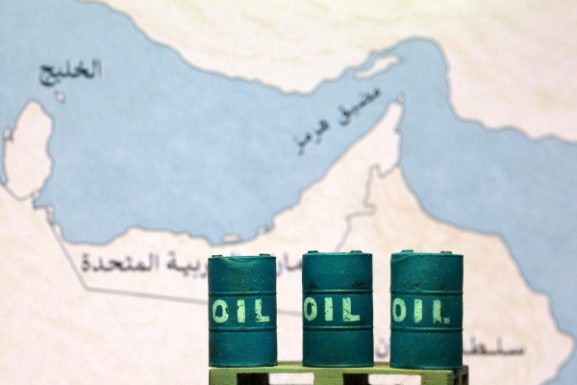
تُعيق مخاطر الشحن حركة ناقلات النفط بشدة. ويُعدّ تأثير الهجمات والمخاوف الأمنية على الخدمات اللوجستية البحرية في الخليج كبيرًا. وحتى مع إمكانية نشر حراسة بحرية، قد يمتنع مشغلو السفن عن عبور المنطقة. وأشار سبارتا إلى أن "الانطباع هو الواقع. فما يُقال لك شيء، ولكن إن لم تجرؤ على التحرك، فكل شيء مُغلق تلقائيًا".“
يهدد هذا الوضع بتعطيل تدفقات النفط الخام حتى لو ظلت البنية التحتية للتصدير تعمل.
إضافةً إلى صدمة الإمدادات، تُفاقم الأضرار والإغلاقات التي تُصيب مرافق التصدير والتحميل الحيوية، بما في ذلك تلك المرتبطة بالبصرة والفجيرة، الأزمة. ووفقًا لشركة سبارتا، فإن التأثير المُجتمع لخسائر الإمدادات المادية والاضطرابات اللوجستية يُضيّق ميزان النفط الخام العالمي بوتيرة أسرع بكثير من قدرة صانعي السياسات على الاستجابة.
“لاحظ محللو شركة سبارتا أن "أجزاء من السوق لا تزال تعتقد أن مضيق هرمز أكبر من أن ينهار"، مما يشير إلى أن حجم الاضطراب قد يدفع الحكومة إلى مزيد من التدخل.
تشير بيئة سوق النفط الحالية إلى تحديات عميقة قادمة، حيث تؤدي المخاطر المادية والأضرار التي تلحق بالبنية التحتية إلى حالة من عدم اليقين تكافح الحكومات لاحتوائها.
تحليل خاص من عمانت | تصفح سوق عُمان
تُسلط الاضطرابات المادية المتزايدة في سلاسل إمداد النفط الضوء على مخاطر كبيرة تواجه اقتصاد سلطنة عمان المعتمد على النفط, حيث أن عدم الاستقرار في الخليج قد يؤدي إلى تضييق حاد في موازين النفط الخام العالمية ورفع الأسعار. ينبغي على المستثمرين والشركات الذكية إعطاء الأولوية للتنويع والاستثمار في أمن الطاقة ومرونة الخدمات اللوجستية, مع مراقبة التطورات الجيوسياسية عن كثب والتي قد تؤدي إلى مزيد من التدخلات في السوق أو صدمات في العرض.