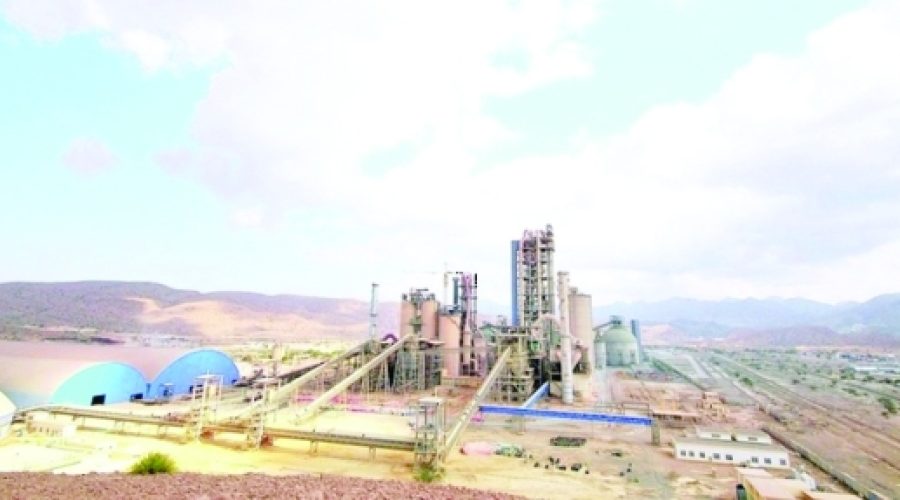
تحوّل شركة عُمان للأسمنت إلى استخدام النفايات كوقود: ما يعنيه ذلك بالنسبة لممارسات الأعمال المستدامة والتكاليف في عُمان
مسقط، 9 مارس - أعلنت شركة عمان للأسمنت عن مبادرة جديدة لاستخدام النفايات الصناعية كمصدر طاقة تكميلي، بهدف تقليل اعتمادها على الوقود الأحفوري، وخاصة الغاز الطبيعي.
في مجمع مسفاه التابع للشركة بمحافظة مسقط، تم تركيب آلة تقطيع لمعالجة النفايات الصناعية وتحويلها إلى وقود. بالإضافة إلى ذلك، تم إرساء عقد لتوريد وتركيب محطة لتغذية الفرن رقم 1 بالنفايات الصناعية، مما يعزز كفاءة الشركة في استخدام الطاقة.
صرح شو غانغ، رئيس مجلس الإدارة، في التقرير السنوي للشركة لعام 2025، بأن هذا المشروع يمثل عنصراً أساسياً في استراتيجية شركة أسمنت عمان لتعزيز الكفاءة التشغيلية وزيادة الطاقة الإنتاجية ودعم أهدافها المتعلقة بإزالة الكربون بما يتماشى مع رؤية عمان 2040.
في وقت سابق من هذا العام، كشفت الشركة عن خطط للاستثمار في محطة لتحويل النفايات إلى طاقة، حيث ستقوم بتحويل الوقود المشتق من النفايات (RDF)، وهو شكل معالج من النفايات الصلبة البلدية، إلى مصدر بديل للطاقة. ويشمل الوقود المشتق من النفايات عادةً البلاستيك غير القابل لإعادة التدوير، والورق، ورقائق الخشب، ونشارة الخشب، وغيرها من المواد القابلة للاحتراق التي تتم معالجتها وفقًا لمعايير محددة.
في فبراير 2020، أبرمت شركة أسمنت عُمان اتفاقية مع شركة عُمان القابضة للخدمات البيئية (بيئة) لتزويدها بإطارات السيارات المستعملة المعالجة كوقود لأفران الأسمنت التابعة لها. وتشمل هذه الاتفاقية توريد ما يقارب 30 ألف طن سنوياً من الوقود المشتق من الإطارات.
“وأضاف رئيس مجلس الإدارة شو غانغ: "تدرس الشركة استخدام المنتجات المشتقة من النفايات الصلبة البلدية لتقليل استهلاك الغاز الطبيعي، ودعم جهود إزالة الكربون بما يتماشى مع رؤية عمان 2040".
حققت شركة أسمنت عُمان نموًا تشغيليًا متواضعًا في عام 2025. فقد ارتفع إنتاج الكلنكر بمقدار 3.391 تريليون طن ليصل إلى 2.97 مليون طن، بينما ارتفع إنتاج الأسمنت بمقدار 2.191 تريليون طن ليصل إلى 3.38 مليون طن. ونما حجم مبيعات الأسمنت بمقدار 2.91 تريليون طن ليصل إلى 3.40 مليون طن، محققًا إيرادات بلغت 68.94 مليون ريال عُماني، بزيادة طفيفة عن 67.65 مليون ريال عُماني في العام السابق. وفي الوقت نفسه، تضاعفت مبيعات الكلنكر إلى أكثر من الضعف لتصل إلى 57,554 طنًا، مما يعكس جهود الشركة في تنويع منتجاتها.
مع ذلك، تراجعت الربحية رغم ارتفاع الإنتاج والمبيعات. فقد انخفض الربح قبل الضريبة إلى 9.57 مليون ريال عماني من 13.07 مليون ريال عماني، وانخفض الربح بعد الضريبة إلى 8.30 مليون ريال عماني من 11.12 مليون ريال عماني. ويعود هذا التراجع بشكل رئيسي إلى ارتفاع تكاليف الغاز الطبيعي والكهرباء وإيجارات الأراضي واستهلاك الكاولين.
شركة عمان للأسمنت مملوكة بأغلبية أسهمها لشركة هواكسين الدولية القابضة المحدودة ومقرها هونغ كونغ، وذلك من خلال شركتها التابعة المملوكة بالكامل، وهي شركة أبراه القابضة المحدودة ومقرها موريشيوس.
تحليل خاص من عمانت | تصفح سوق عُمان
تحوّل شركة أسمنت عُمان نحو استخدام النفايات الصلبة الصناعية والبلدية كوقود بديل يشير ذلك إلى خطوة استراتيجية لتقليل الاعتماد على الوقود الأحفوري والتوافق مع أهداف الاستدامة لرؤية عُمان 2040, مما يخلق فرصًا لقطاعي إدارة النفايات والطاقة النظيفة. ومع ذلك، فإن ارتفاع تكاليف التشغيل على الرغم من زيادة الإنتاج يسلط الضوء على... ضرورة تركيز المستثمرين ورواد الأعمال على الابتكار وتحسين الكفاءة للحفاظ على الربحية في ظل بيئة صناعية متطورة، ينبغي على المستثمرين الأذكياء مراعاة الطلب المتزايد على حلول الاقتصاد الدائري، في ظل تكثيف الشركات الصناعية في سلطنة عمان جهودها للحد من انبعاثات الكربون.