Oman’s 2.6% GDP Growth in Q1: What It Means for Investors and Business Owners
MUSCAT, JULY 2 — Oman’s economy expanded by 2.58 percent in real terms during the first quarter of 2026, despite signs of weaker performance in manufacturing and construction sectors. This suggests that the next phase of the country’s economic diversification will increasingly depend on enhanced productivity, deeper investment, and growth in non-oil industrial activities.
According to the Ministry of Economy’s June 2026 Economic Performance Bulletin, the gross domestic product (GDP) at current prices declined by 1.98 percent to RO 10.29 billion, down from RO 10.50 billion in the same period of 2025. This reduction is primarily attributed to a 16.47 percent drop in average oil prices, which lowered the nominal value of oil-related activities.
However, when measured at constant prices, the economy showed expansion supported by a 4.59 percent rise in oil activities and a 2.36 percent increase in non-oil activities. The services sector grew by 3.68 percent, while agriculture and fisheries recorded a strong growth rate of 6.13 percent, marking them as significant contributors to real growth for the quarter.
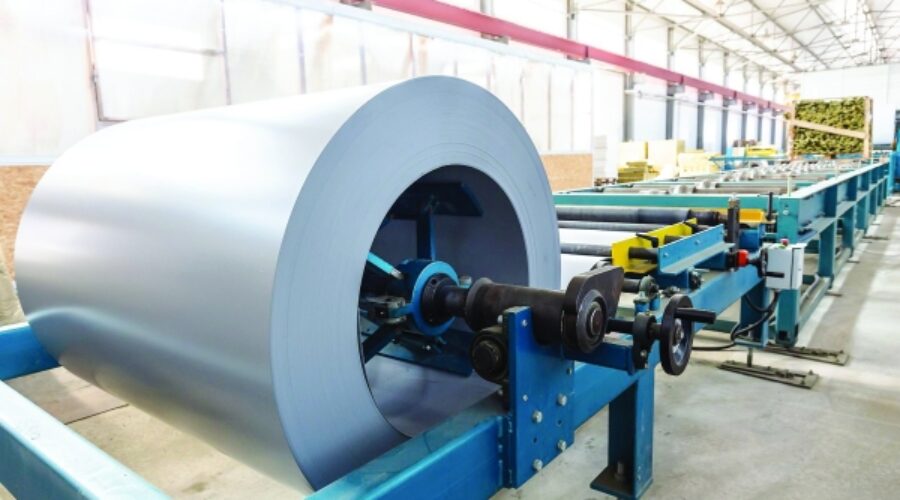
The data highlights an economy that remains resilient despite lower oil prices and subdued global trade conditions. Nevertheless, it reveals uneven progress within the non-oil economy, with industrial activities contracting by 1.24 percent in real terms. Specifically, manufacturing declined by 3.06 percent and construction decreased by 1.86 percent. These sectors are crucial to local value creation, private-sector employment, supply chains, and the broader Oman Vision 2040 goal of fostering a diversified production base.
On a positive note, the bulletin showed robust growth in financial and insurance sectors, which surged by 9.61 percent, while transport and storage rose by 3.11 percent. Wholesale and retail trade grew by 1.57 percent. Although these advances highlight the importance of services in driving short-term growth, they also emphasize the critical need for stronger industrial sector performance.
Inflation increased to 2.33 percent in the first quarter, up from 0.85 percent a year earlier. This rise reflects higher cost pressures influenced by global and regional economic conditions. While still moderate compared to international standards, this inflation uptick requires close monitoring as it may impact households, businesses, and overall competitiveness.
The labour market showed improvement, with the number of Omanis employed in the private sector rising by 8.81 percent to 436,100 by the end of the first quarter, compared to 400,800 a year earlier. However, the bulletin noted that Omanis still represent a below-desired share of total private-sector employment.
Foreign direct investment (FDI) also continued to grow, increasing by 8.66 percent to RO 32.20 billion as of the end of the first quarter, up from RO 29.63 billion a year prior. Despite this growth, the investment structure remains heavily concentrated, with oil and gas sectors accounting for 80.41 percent of total FDI. Manufacturing attracted 8.91 percent, and financial intermediation made up 4.86 percent. This concentration remains a key consideration for diversification efforts.
Oman’s fiscal position improved, with revenues rising by 13.28 percent to RO 2.99 billion and expenditures increasing by 8.63 percent to RO 3.01 billion, resulting in a narrowed first-quarter deficit of RO 25 million. Beyond fiscal discipline, the broader economic message is a shift from focusing solely on stability to prioritizing the quality of growth.
The first-quarter data confirms Oman’s resilience but also underscores the upcoming challenge: transforming non-oil growth into enhanced productive capacity, broader investment opportunities, and expanded private-sector employment.
تحليل خاص من عمانت | تصفح سوق عُمان
Oman’s Q1 2026 economic data reveals resilience amid lower oil prices, but also underscores critical challenges in industrial sector contraction and uneven non-oil growth. For businesses, this means opportunities in expanding financial services and agriculture but signals risks tied to underperforming manufacturing and construction. Smart investors should prioritize ventures that boost productive capacity, diversify investment beyond oil, and enhance private-sector employment to align with Oman Vision 2040’s diversification goals.