الطاقة المتجددة تدعم توسع قطاع الطاقة في سلطنة عمان: ما يعنيه ذلك للمستثمرين ونمو الأعمال في سلطنة عمان
مسقط: تعمل وزارة الطاقة والمعادن على تسريع وتيرة مشاريع الطاقة المتجددة في جميع أنحاء سلطنة عمان كجزء من استراتيجية طويلة الأجل لتعزيز أمن الطاقة والاستدامة والتنويع الاقتصادي.
تهدف الوزارة إلى رفع حصة الطاقة المتجددة في مزيج الكهرباء الوطني إلى 30 بالمئة بحلول عام 2030, ، مع الاستمرار في توسيع قدرة الطاقة الشمسية وطاقة الرياح في مناطق مختلفة على مستوى البلاد.
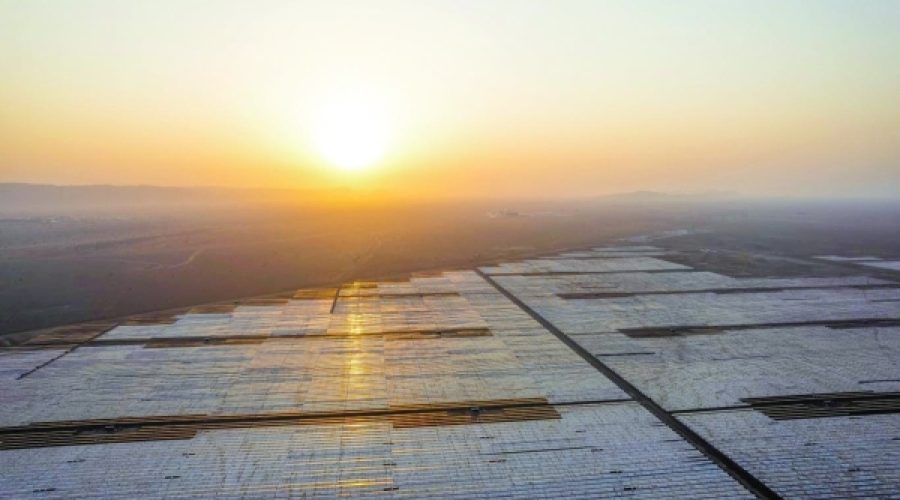
لقد تم إحراز تقدم كبير بالفعل مع تشغيل مشاريع رئيسية مثل محطة عبري (2) للطاقة الشمسية، ومشروعي مناح (1) ومناح (2) للطاقة الشمسية، ومزرعة رياح ظفار (1). توفر هذه المرافق قدرة إجمالية تبلغ حوالي 1550 ميغاواط، وهو ما يمثل حوالي 9.26 بالمئة من إجمالي إنتاج الكهرباء في البلاد.
يجري حاليًا تطوير العديد من المشاريع. من المتوقع أن يبدأ تشغيل مشروع الطاقة الشمسية في عبري (3)، الذي يتضمن تخزين طاقة بالبطاريات بسعة 100 ميغاواط/ساعة، بحلول الربع الثاني من عام 2027، مما يعزز مرونة الشبكة ويدعم دمج الطاقة المتجددة على نطاق أوسع. كما من المقرر أن يبدأ التشغيل التجاري لمشروعي طاقة الرياح في ظفار (2) وجلان بني بو علي في الربع الثالث من عام 2027، مما يزيد من تعزيز قدرة سلطنة عمان على إنتاج الطاقة المتجددة.
تتطلع سلطنة عُمان إلى إطلاق العديد من مشاريع الطاقة المتجددة واسعة النطاق قبل عام 2030. وتشمل هذه المشاريع تطوير محطات الطاقة الشمسية في الكامل والوافي، وسناو، ومرسى، إلى جانب مشاريع طاقة الرياح في الدقم، وماهوت، وصادة، وشليم، وجزر الحلانيات، والجزير. ومن المتوقع أن تُحقق هذه المشاريع مجتمعةً إنتاجيةً تُقدّر بنحو 5080 ميغاواط من الطاقة الشمسية و 1720 ميغاواط من طاقة الرياح بالإضافة إلى ذلك، من المقرر أن يبدأ تشغيل محطة تحويل النفايات إلى طاقة في بركاء في عام 2031.
ستشمل هذه المبادرات محافظات متعددة، بما في ذلك ظفار، والوسطى، والباطنة الشمالية والجنوبية، والشرقية الشمالية، والظاهرة، والداخلية، مع تخصيص ما يقرب من 65000 كيلومتر مربع من الأراضي للتنمية المتجددة.
من المتوقع أن ترتفع حصة الطاقة المتجددة في سلطنة عمان إلى 30-40 بالمئة بحلول عام 2030, ، مما يزيد من 60-70 بالمئة بحلول عام 2040, والوصول 90-100 بالمئة بحلول عام 2050.
أكد المهندس حمود بن حمد السواف، المدير العام للطاقة المتجددة بوزارة الطاقة والمعادن، أن مشاريع الطاقة المتجددة حيوية لتعزيز أمن الطاقة الوطني ودعم التحول إلى اقتصاد مستدام يتماشى مع رؤية عمان 2040. وأشار إلى أن حصة الطاقة المتجددة المتصلة بالشبكة ارتفعت من 4.26% في عام 2024 إلى 9.46% في عام 2025، مع تجاوز إجمالي توليد الكهرباء من الطاقة المتجددة أربعة ملايين ميغاواط ساعة في عام 2025.
الفوائد البيئية كبيرة: فالمشاريع الحالية تساعد على تجنب ما يقارب 1.62 مليون طن من انبعاثات ثاني أكسيد الكربون سنوياً, ومن المتوقع أن تصل الانبعاثات المتجنبة إلى ما يقرب من تسعة ملايين طن بحلول عام 2030تُساهم هذه المشاريع بنحو سبعة ملايين طن من الطاقة الشمسية ومليوني طن من طاقة الرياح. كما تُقلل من استهلاك الغاز الطبيعي في توليد الكهرباء بنحو 1.5 مليار متر مكعب، مما يُخفض كثافة الكربون في قطاع الطاقة.
من الناحية الاقتصادية، تُحقق مشاريع الطاقة المتجددة قيمة محلية كبيرة. وقد حققت المشاريع التي تقودها شركة ناما لتوريد الطاقة والمياه قيمة مضافة محلية تتراوح بين 15 و22%، بينما تهدف المشاريع المستقبلية إلى تحقيق قيمة تزيد عن 25% (حوالي 25 مليون ريال عماني). وقد تم بالفعل تخصيص ما يقارب 5.7 مليون ريال عماني للمؤسسات الصغيرة والمتوسطة العاملة في سلاسل توريد المشاريع.
في غضون ذلك، وسّعت شركة OQ للطاقة البديلة محفظتها من الطاقة المتجددة بأكثر من 2000 ميغاواط بحلول عام 2025 من خلال اتفاقيات شراء الطاقة، بما في ذلك مشاريع مثل محطة عبري (3) للطاقة الشمسية ومزرعتي رياح ظفار (2) وجالان بني بو علي، والتي تتجاوز طاقتها الإجمالية 740 ميغاواط. وتشمل إنجازات المحتوى المحلي 23.85% لمشروع شمال عُمان للطاقة الشمسية، و14.75% لمشروع طاقة الرياح (1)، و18.5% لمشروع طاقة الرياح (2).
يستمر العمل في مشروع شمال عمان للطاقة الشمسية بقدرة 128 ميغاواط، بينما يتقدم مشروعا الرياح 1 والرياح 2 - اللذان يتألفان من 36 توربينًا بقدرة إجمالية تبلغ 234 ميغاواط - نحو التشغيل التجاري في عام 2026.
يتماشى توسيع نطاق الطاقة المتجددة مع استراتيجية سلطنة عمان الأوسع نطاقاً لبناء نظام طاقة منخفض الكربون، وتعزيز القطاعات الناشئة مثل الهيدروجين الأخضر، وتشجيع ابتكار التكنولوجيا النظيفة، وتعزيز القدرة التنافسية للسلطنة في أسواق الطاقة النظيفة الإقليمية والعالمية.
— أونا
تحليل خاص من عمانت | تصفح سوق عُمان
التوسع الطموح لسلطنة عمان في مجال الطاقة المتجددة، والذي يستهدف إنتاج ما بين 30 و401 تريليون طن من الكهرباء من مصادر متجددة بحلول عام 2030، ويصل إلى 1001 تريليون طن بحلول عام 2050., تُتيح هذه الفرص فرصًا كبيرة للشركات والمستثمرين في قطاعات الطاقة الشمسية وطاقة الرياح والقطاعات الناشئة مثل الهيدروجين الأخضر. يعزز هذا الحجم من الاستثمار أمن الطاقة واستدامتها، ويشجع النمو الاقتصادي المحلي، لا سيما من خلال زيادة مشاركة الشركات الصغيرة والمتوسطة ومتطلبات المحتوى المحلي. ينبغي على المستثمرين الاستراتيجيين إعطاء الأولوية للشراكات في سلاسل توريد المشاريع وابتكار التكنولوجيا النظيفة للاستفادة من تحول سلطنة عمان إلى اقتصاد منخفض الكربون.