Transport and Storage Sector Boosts Oman’s Economy by RO 2.3 Billion: What It Means for Investors and Entrepreneurs
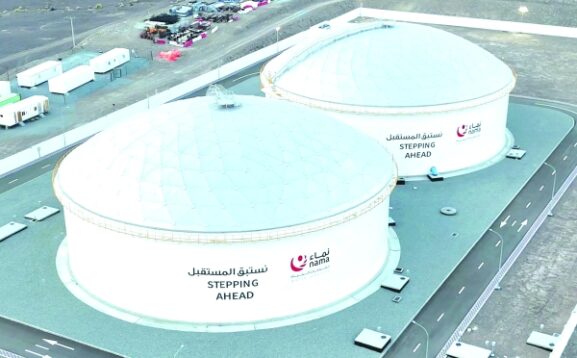
MUSCAT, JUNE 22 — Oman’s transport and storage sector contributed RO 2.3 billion to the national economy in 2025, representing 3.6 percent of the country’s gross domestic product (GDP). This growth was driven by increased cargo volumes, expanded port activity, and sustained investment in infrastructure, reinforcing the sector’s critical role in Oman’s economic diversification strategy.
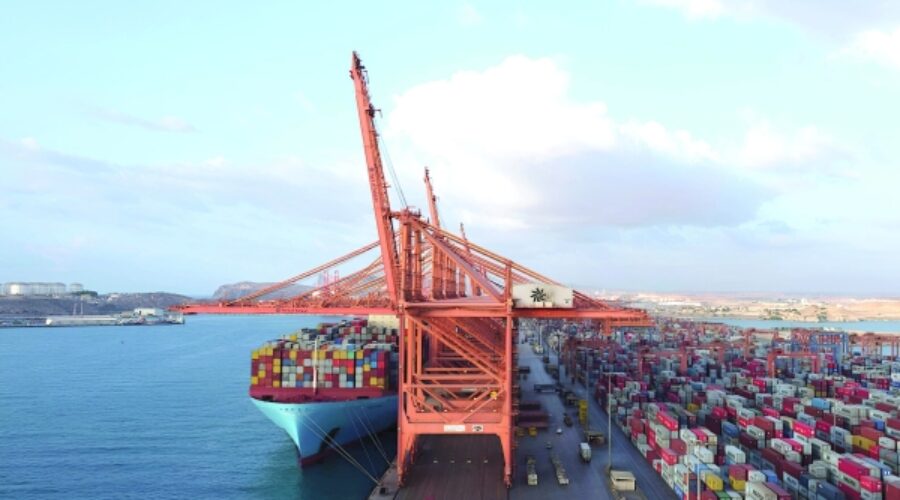
According to the Ministry of Transport, Communications and Information Technology’s Annual Report 2025, commercial ports handled over 143 million tonnes of cargo during the year. Additionally, container traffic surged by 22 percent compared to 2024, highlighting stronger trade flows and greater utilization of Oman’s maritime infrastructure.
The sector’s robust performance aligns with Oman Vision 2040, which aims to position logistics as the second-largest GDP contributor by 2040, capitalizing on Oman’s strategic geographic location and significant investments in ports, roads, and transport networks.
Road development remained a priority throughout 2025, with 357.4 kilometres of new roads completed and opened to traffic. This brought the total length of asphalt roads in Oman to 16,680 kilometres. Minister of Transport, Communications and Information Technology, Eng Saeed bin Hamoud al Maawali, described 2025 as a landmark year characterized by ongoing efforts to modernize infrastructure and enhance national connectivity.
Maritime activity also expanded, with the ministry issuing 2,405 navigation permits to foreign vessels operating in Omani territorial waters and granting 1,548 maritime activity licenses. A total of 1,928 seafarers’ certificates were issued, while 781 ships and maritime units were registered under the Omani flag.
To strengthen the regulatory framework, the ministry introduced the Maritime Labour Regulations under Ministerial Decision No. 313/2025 and amended regulations concerning fuel supply to ships in Omani ports.
The report further highlighted Oman’s commitment to international maritime cooperation. During the year, the Sultanate signed agreements and memoranda of understanding with Morocco, Türkiye, and Cyprus, covering maritime transport, port cooperation, logistics infrastructure, and mutual recognition of seafarers’ certificates.
The logistics sector attracted substantial investment, with total investment reaching approximately RO 3.4 billion between 2021 and 2025. In this period, 17 logistics agreements worth over RO 100 million were signed.
Employment generation remained a key focus, with over 7,000 jobs created through logistics initiatives. Omanisation in the transport and logistics sector rose to 21.6 percent in 2025.
The report emphasized that ongoing infrastructure development and regulatory reforms aim to boost efficiency, enhance competitiveness, and support economic growth across Oman.
Sustainability initiatives also progressed, with more than 160 electric vehicle charging stations installed across various governorates to promote low-carbon transport solutions.
With rising cargo volumes, expanded road networks, and growing maritime activity, Oman’s transport and storage sector continues to be a vital driver of trade facilitation, industrial development, and the country’s long-term economic diversification goals.
تحليل خاص من عمانت | تصفح سوق عُمان
Oman’s transport and storage sector is rapidly becoming a strategic pillar in the Sultanate’s economic diversification, with robust growth in cargo volume and port activity boosting GDP contributions. For businesses and investors, this signals expansive opportunities in logistics infrastructure, maritime services, and sustainable transport solutions fueled by government-driven infrastructure projects and regulatory enhancements. Smart entrepreneurs should capitalize on rising trade flows and international partnerships while preparing for increased competition and evolving maritime regulations shaping Oman’s visionary roadmap to 2040.