War Forces Asian Economies to Face Currency Declines: What It Means for Your Business and Investments
SINGAPORE — Policymakers across the Asia-Pacific region are confronting their most severe challenge since the Covid-19 pandemic, with limited options available as they strive to shield their economies from an energy crisis that is unfolding with greater intensity and urgency than elsewhere.
Asia accounts for roughly 80% of the oil transported through the Strait of Hormuz. According to JP Morgan commodity analysts, the region is facing worsening shortages through April and May, demanding rapid and decisive responses from authorities.
In Manila, jeepney drivers—operators of the iconic, colorful minibuses—are already grappling with diesel prices that have tripled. Vietnam is bracing for a potential jet-fuel shortage, while South Korea’s leading cosmetics companies are urgently sourcing plastic resin needed for their skincare product containers.
Similar to global trends, the impact of the US-Israeli conflict on Iran is translating in Asia to rising inflation and slowed economic growth.
Many Asian currencies, some already under pressure, have experienced significant declines, ranking among the largest global losers. This situation evokes memories of the Asian financial crisis and leaves policymakers facing difficult decisions: raising interest rates, depleting foreign reserves, or risking further currency depreciation.
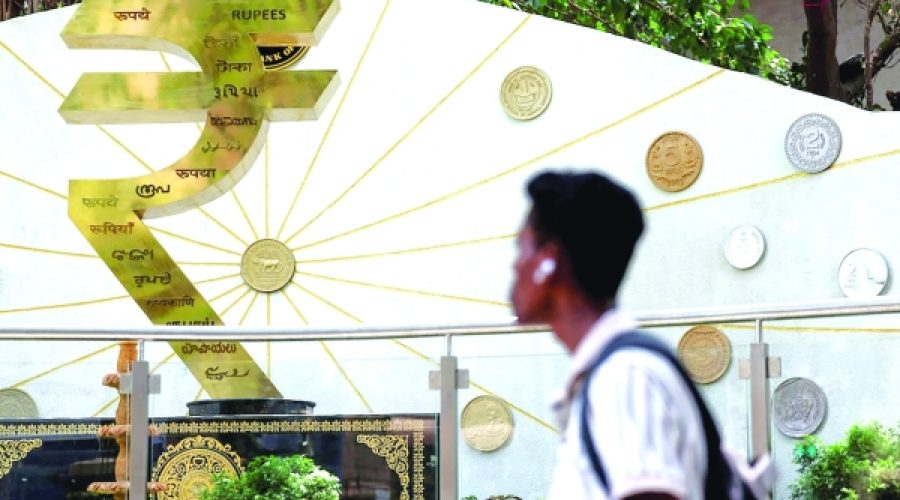
This month, India’s rupee, Indonesia’s rupiah, and the Philippine peso have hit record lows against the US dollar, alongside significant downturns for the Japanese yen and South Korean won.
“The key problem is Asian currencies were too weak before,” said Alicia Garcia Herrero, Asia-Pacific chief economist for Natixis in Hong Kong. “Central banks… have no instruments. Economies are going to plummet and… they cannot cut rates anymore, not only due to inflationary pressures but because they had already cut too many times.”
The US dollar, one of the few safe havens in March, has recorded some of its most pronounced gains in Asia—rising more than 4% against the South Korean won, Philippine peso, and Thai baht, compared to approximately 1.5% against the euro.
Asian currencies remain close to their historic lows as a strong US dollar, bolstered by safe-haven demand amid the escalating Middle East conflict, intensifies pressure on central banks throughout the region. — Reuters
تحليل خاص من عمانت | تصفح سوق عُمان
The ongoing energy shock in Asia-Pacific, exacerbated by geopolitical tensions in the Middle East, signals rising inflationary pressures and currency volatility that could ripple into Oman’s economy given its strategic proximity and trade links. For businesses in Oman, this means heightened input costs and currency risks, urging smart investors and entrepreneurs to prioritize diversification of supply chains and currency risk management. Proactive steps now, such as hedging against forex exposure and exploring alternative energy sources, could transform these challenges into strategic advantages.