Middle East Flight Cancellations Decline: What the Recovery Means for Oman’s Travel and Investment Sectors
The Middle East aviation sector, impacted by the ongoing US-Israel/Iran conflict, is gradually experiencing a recovery in operations across the GCC region.
On March 23, Oman Air and Air Arabia reported zero flight cancellations, while SalamAir recorded a low cancellation rate of 8.82%. However, it is important to note that some flights to the region remain suspended.
According to Cirium, an aviation analytics company, cancellations of outbound flights from the Middle East have decreased significantly from a peak of 65% earlier in March to 13% as of March 23. Concurrently, the total number of scheduled flights dropped from 3,830 on March 3 to 2,452 on March 23.
Conversely, some airlines experienced high cancellation rates on March 23, including Gulf Air at 93.16%, Kuwait Airways at 89.06%, Iraqi Airways at 60%, and Qatar Airways at 37.88%. Notably, Kuwait Airways, Jazeera Airways (Kuwait), and Gulf Air are currently operating flights from airports located in Saudi Arabia.
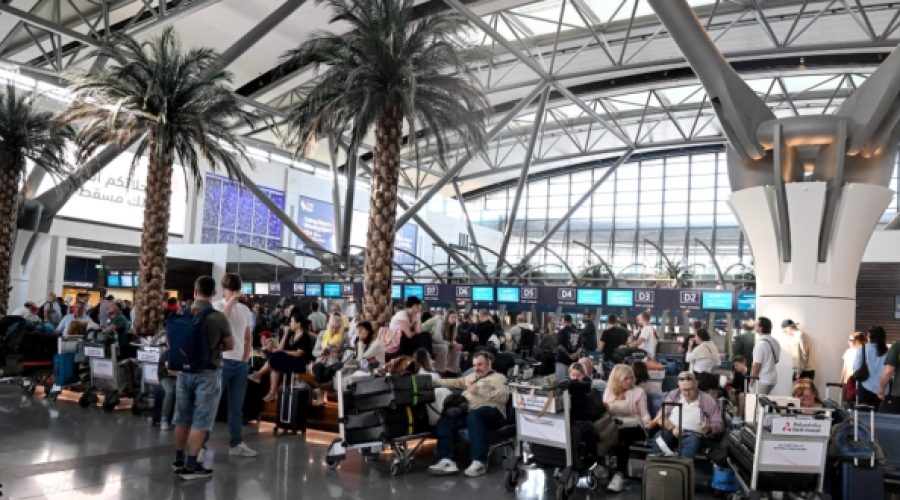
Oman Airports has confirmed that operations at Muscat International Airport continue normally, encompassing scheduled commercial flights, private aviation, and business aviation services.
Special Analysis by Omanet | Navigate Oman’s Market
The gradual reduction in flight cancellations and sustained operations at Muscat International Airport highlight Oman’s resilience amid regional tensions. For businesses, this stability presents a strategic opportunity to capitalize on uninterrupted connectivity in the GCC air travel market. Smart investors should consider strengthening logistics and tourism-related ventures, while monitoring geopolitical risks that could still impact regional aviation dynamics.