War Impact on Natural Gas Markets: What Investors and Businesses Need to Know
At first glance, the ongoing conflict in Iran seems to be affecting both oil and gas sectors equally, with missiles, drone attacks, and shipping disruptions severely limiting flows through the Strait of Hormuz. However, a closer examination reveals a significant imbalance: the global gas supply chain is far less flexible and has much lower storage capacity compared to the oil market, resulting in more severe impacts on gas consumers.
Key gas infrastructure, especially liquefaction plants, is inherently more complex and costly to build and repair than oil refineries. Consequently, oil refineries can often resume operations faster than liquefied natural gas (LNG) export facilities following interruptions. This difference is underscored by price movements—European and Asian gas benchmarks have surged much more sharply than crude oil prices since the conflict began, indicating a longer recovery timeline for gas.
The timing of this disruption is particularly unfortunate for the gas market. Over the past decade, global gas demand has grown at roughly twice the rate of oil demand, fueled by extensive pipeline and storage network expansions. This growth was expected to continue, especially as emerging economies transition away from coal. The optimistic outlook for gas demand was a major factor driving the steady expansion of the global LNG industry.
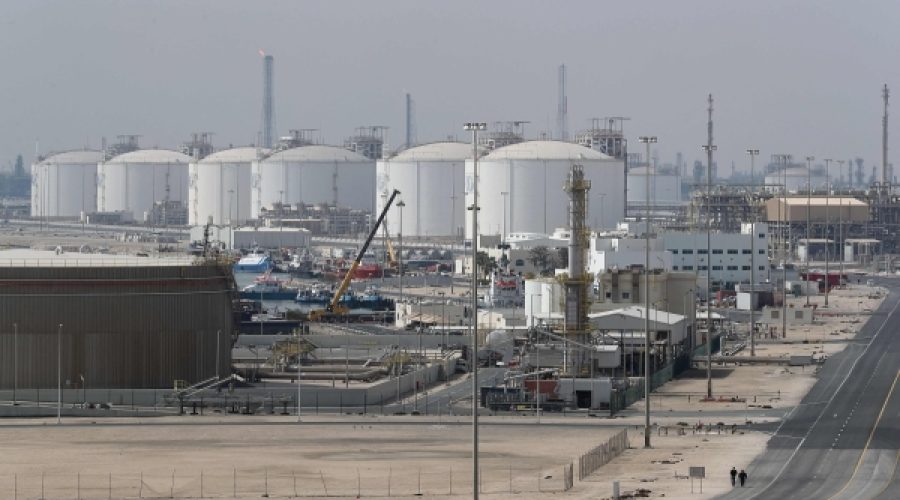
However, Iranian attacks have incapacitated 17% of Qatar’s LNG export capacity, the world’s second-largest LNG exporter, potentially sidelining it for up to five years. This has triggered a steep rise in gas prices, highlighting the risks of heavy dependence on imports and likely slowing the development of new gas-fired power projects.
Simultaneously, utilities, homes, and businesses now have access to a broad array of affordable alternatives to gas-powered electricity. Solar panels and battery systems offer a faster and more cost-effective way to increase electricity supply than developing new gas capacity—projects that can take years to come online. Additionally, prices for critical gas power components, especially turbines, have soared due to shifts in manufacturing capacities and rising demand from wealthy nations expanding their data centers.
These dynamics are reshaping the locations where new gas capacity is being developed. The United States, the world’s leading natural gas producer and exporter, has increased its share of planned new gas capacity from about 10% in 2025 to over 33% in early 2026, driven in large part by the need to power artificial intelligence applications. U.S. utilities and technology firms are aggressively bidding up gas power components, squeezing out more price-sensitive markets. For instance, fast-growing economies like India, once expected to become major gas consumers, have scaled back plans to expand gas capacity. Instead, India continues to add coal-fired power alongside renewables and is expanding its oil refining and fuel export capacity into the 2030s.
Another major challenge is the difficulty of storing natural gas compared to oil. Crude oil and refined products are liquids at room temperature and can be stored easily in tanks on land or at sea. In contrast, natural gas occupies much more space and must be compressed or liquefied at extremely low temperatures for efficient storage, limiting storage locations and increasing costs significantly. Gas demand is also highly seasonal, peaking in winter and dropping sharply during milder seasons, unlike the relatively steady year-round consumption of refined fuels. This seasonality complicates profitability for gas storage operators, who cannot rely on consistent turnover like those in oil storage.
In summary, both oil and gas supplies have been heavily disrupted by the conflict, but oil is poised for a faster recovery. Middle Eastern oil producers are already rerouting supplies via pipelines to ports outside the Strait of Hormuz, supporting greater oil supply resilience even as the conflict continues. Conversely, the gas market lacks a quick fix for the loss of Qatari exports, creating supply chain shocks and accelerating the search for alternatives to gas in power generation and industry.
Even if hostilities end swiftly, gas market relief will be limited: rebuilding Qatar’s export infrastructure will take years, and buyers who have started to diversify away from gas are unlikely to revert. While some major economies like the U.S. will maintain high gas reliance, more cost-sensitive markets are expected to reduce their gas exposure, leaving a lasting impact on an industry that had been expanding under very different assumptions.
The views expressed in this article are those of the author, Gavin Maguire, a Reuters columnist.
Special Analysis by Omanet | Navigate Oman’s Market
The Iran conflict’s disruption of global gas supplies, especially the long-term damage to Qatar’s LNG capacity, signals a critical shift away from gas reliance toward more diversified and resilient energy sources like solar and batteries. For businesses in Oman, this presents a strategic opportunity to invest in renewable energy and alternative power infrastructure as demand for gas-fired capacity growth slows globally. Smart investors should consider focusing on energy diversification, local resource development, and technologies that reduce dependence on volatile gas imports, positioning Oman for a more sustainable and secure energy future.