Assessing the Dollar’s Path One Year After “Liberation Day”: What Investors Need to Know for Strategic Business Planning in Oman
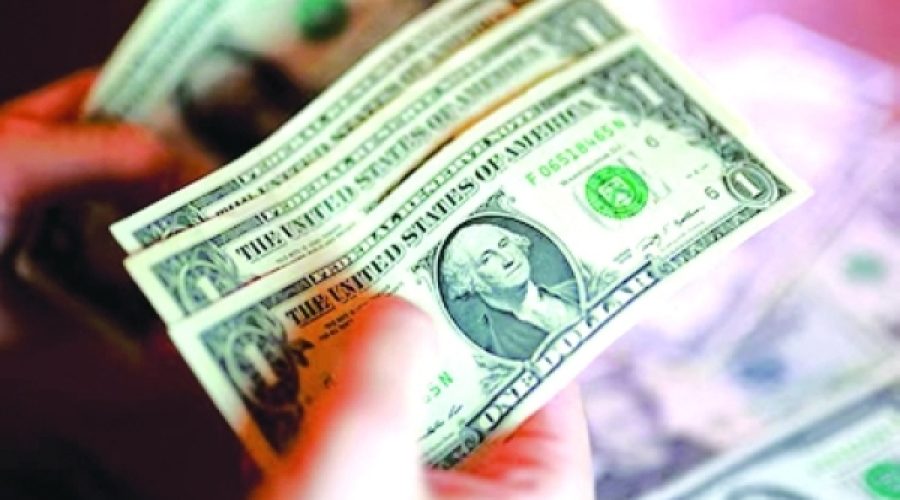
LONDON – One year after U.S. President Donald Trump implemented his sweeping ‘Liberation Day’ tariffs, the U.S. dollar has strengthened significantly, reaffirming its role as a safe-haven currency amid ongoing conflict in the Middle East.
In the first quarter of the year, the dollar gained approximately 1.6%, marking its best quarterly performance since late 2024. This rise has been supported by the United States’ position as an energy exporter and a general investor preference for cash amid geopolitical uncertainties.
This stands in stark contrast to the previous year, when Trump’s tariffs triggered a decline in the dollar. Investor concerns were heightened by uncertainties surrounding U.S. trade policies, along with Trump’s public criticisms of the Federal Reserve and his distancing from international allies and global institutions.
Despite the dollar’s strong start to 2026, analysts caution that the currency faces long-term downward pressures. Questions remain about the dollar’s dominance in global trade and finance, although recent developments have been too minor to significantly impact its overall standing.
— Reuters
Special Analysis by Omanet | Navigate Oman’s Market
The renewed strength of the US dollar amid Middle East tensions underscores increased volatility in global markets, posing both risks and opportunities for Omani businesses reliant on international trade and foreign investment. Smart investors should monitor currency fluctuations closely, leveraging the dollar’s safe-haven status while preparing for potential long-term adjustments that could affect trade dynamics and financing costs.