Stocks Jittery and Oil Surges Above $110: What Trump’s Iran Deadline Means for Global Investors and Businesses
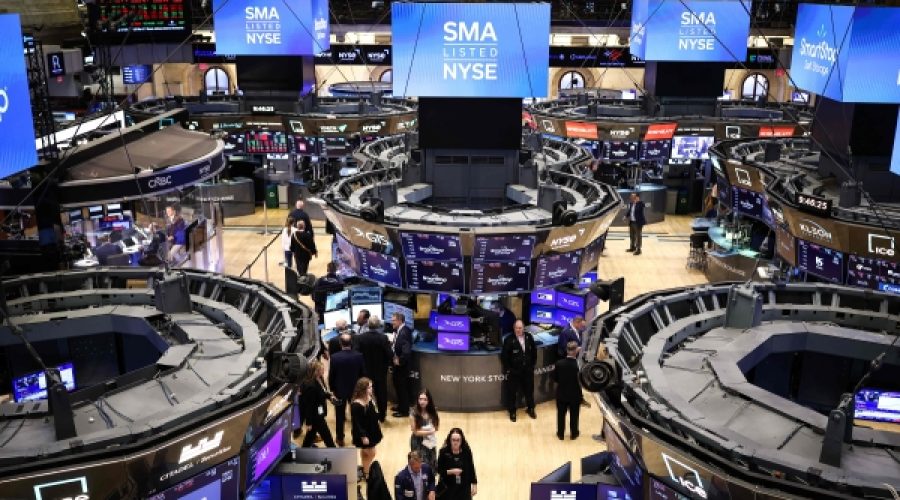
LONDON – Global stock markets showed mixed movements on Tuesday as oil prices climbed above $110 per barrel amid rising tensions over the approaching deadline set by U.S. President Donald Trump for a deal with Iran. This deadline has heightened fears of escalating conflict in the Middle East, unsettling investors.
Since the outbreak of war between the U.S., Israel, and Iran at the end of February, markets have been under pressure. Tehran’s effective closure of the Strait of Hormuz—a vital route for nearly 20% of the world’s oil and gas supply—has fueled inflation concerns globally. Despite hopes for a diplomatic resolution, talks have stalled, with President Trump imposing a critical Tuesday night deadline for an agreement.
Investor sentiment grew cautious, reflected in a risk-averse market mood. The U.S. dollar maintained its recent gains, while oil prices surged, with Brent crude futures rising 1% to $111.69 per barrel—an increase of more than 50% since the conflict began. In contrast, Europe’s STOXX 600 index remained flat, and U.S. futures slipped as investors awaited clarity on whether Trump would proceed with or retract his threats to target Iranian infrastructure.
Earlier in the day, optimism was briefly bolstered by Samsung Electronics’ record-breaking quarterly profit forecast, which uplifted Asian markets before the gravity of the ongoing energy crisis set back in.
Kyle Rodda, senior market analyst at Capital.com, remarked, “We are back on a Trump-imposed countdown clock with no way to reliably predict the outcome. Some traders might place bets, but many will hedge risks or avoid the market altogether, as there is little to do but wait and see.”
Iran has expressed a desire for a permanent resolution to the conflict rather than a temporary ceasefire and resisted pressure to reopen the Strait of Hormuz. In response, President Trump issued a stern warning that Iran could be “taken out” if the deal deadline is not met, pledging to destroy Iranian power plants and bridges despite concerns that such actions could constitute war crimes.
Vasu Menon, managing director of investment strategy at OCBC in Singapore, noted, “Any action targeting Iran’s power infrastructure would escalate the conflict significantly, increasing the likelihood of retaliatory strikes that could further disrupt Gulf energy facilities.”
The ongoing conflict has accelerated stagflation risks—characterized by high inflation coupled with sluggish economic growth—disrupting global interest rate expectations. Traders have largely abandoned the prospect of Federal Reserve rate cuts this year. Recent U.S. economic data showed a slowdown in service sector growth in March, alongside the sharpest rise in input prices for businesses in over 13 years, underscoring inflationary pressures linked to the prolonged war.
Upcoming U.S. inflation data due on Friday is expected to highlight the extent of price increases driven by rising energy costs. However, for now, global markets remain focused on whether President Trump will adhere to his war deadline and if a deal can be reached.
In currency markets, the euro held steady at $1.1535. The U.S. dollar index hovered near its recent peak at 99.99, remaining the preferred safe haven amid the turmoil. The Japanese yen traded at 159.77 per dollar, close to the critical 160 level that signals potential intervention by Tokyo following recent strong comments from officials. Meanwhile, gold prices inched up 0.1% to $1,652 per ounce in early trading.
The situation remains highly fluid, with investors closely monitoring developments as the deadline approaches.
Special Analysis by Omanet | Navigate Oman’s Market
The ongoing U.S.-Iran conflict and elevated oil prices above $110 per barrel pose significant risks of stagflation and supply disruptions that could impact Oman’s energy-dependent economy. Businesses must brace for inflationary pressures and supply chain uncertainties, while smart investors and entrepreneurs should consider diversifying portfolios and exploring opportunities in sectors less vulnerable to geopolitical shocks to mitigate risk and capitalize on market volatility.