Dollar Nears 6-Week Lows Amid Iran Talks: What This Means for Investors and Businesses in Oman
LONDON – The U.S. dollar fell to its lowest levels in six weeks on Wednesday, relinquishing nearly all the gains it made following the outbreak of the Iran conflict. Renewed prospects for talks between Washington and Tehran have bolstered risk appetite, reducing demand for the dollar as a safe haven. Since the U.S.-Israel war with Iran began on February 28, Tehran has effectively closed the Strait of Hormuz, a vital route responsible for one-fifth of global oil and gas shipments. This blockade caused oil prices to soar and raised concerns over the impact on global economic growth and inflation.
Following the failure of negotiations over the weekend, the U.S. imposed a blockade on Iranian ports. However, U.S. President Donald Trump announced on Tuesday that discussions aimed at ending the conflict might resume in Pakistan in the coming days, restoring some investor confidence.
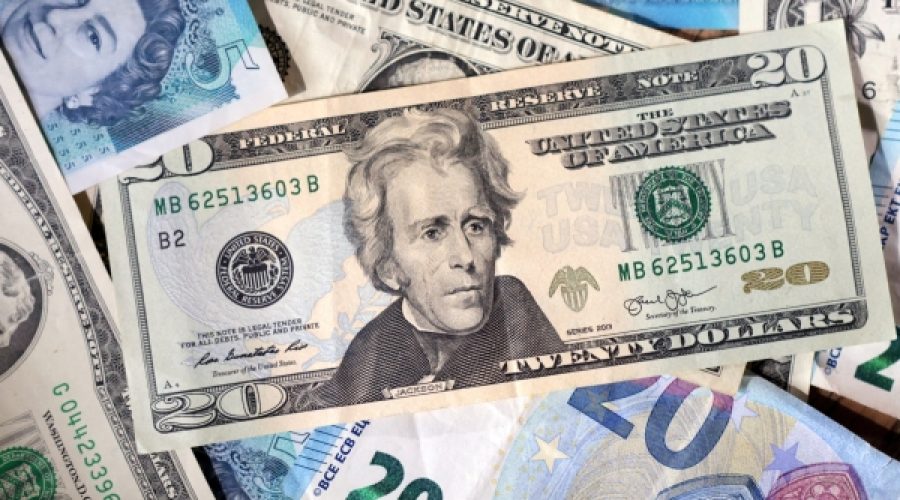
The euro, which has regained losses sustained during the onset of the war, held steady at approximately $1.1786—near its highest level since March 2. The British pound remained stable at $1.356.
The dollar index, which tracks the U.S. currency against six major counterparts, returned to levels seen on February 28, the day the war began, after having surged nearly 3% in early March.
Despite the lack of a breakthrough during talks last weekend in Islamabad and uncertainty about the durability of the ongoing two-week ceasefire, investors remain hopeful that diplomacy could eventually bring a resolution.
Throughout March, the dollar was the primary beneficiary of safe-haven demand. However, optimism about the ceasefire and a possible end to the conflict has caused the dollar to decline by almost 2% against other major currencies this month.
MUFG currency strategist Lee Hardman cautioned that it may be premature to dismiss the dollar’s safe-haven appeal given the prevailing uncertainty. “In the very near term, we are a bit cautious about chasing the dollar further lower, as the market appears optimistic that the worst is behind us and a return to normalcy may come sooner than expected,” Hardman said. He also warned of risks linked to an underestimated energy price shock likely to affect the global economy.
Investor attention remains focused on the scale of potential damage to the global economy from the ongoing energy crisis. Physical crude prices exceed $140 per barrel, even as futures trade below $100. The International Monetary Fund (IMF) recently downgraded its growth forecasts due to energy price spikes driven by the conflict, while noting that the world is already heading toward a weaker growth environment.
In its most pessimistic scenario, the IMF warns the global economy could verge on recession, with oil prices averaging $110 a barrel in 2026 and rising to $125 in 2027.
The Japanese yen, still significantly below pre-war levels due to Japan’s vulnerability to imported energy inflation, weakened by 0.13% to 158.95 against the dollar on Wednesday.
The sharp rise in oil and natural gas prices has led traders to anticipate potential interest rate hikes by both the European Central Bank and the Bank of England this year to combat inflation. Meanwhile, expectations for even a single rate cut from the U.S. Federal Reserve have diminished.
Former U.S. Treasury Secretary Janet Yellen indicated that one rate cut by the Fed might still occur this year despite inflationary pressures stemming from the war-related supply shocks. Speaking at the HSBC Global Investment Summit in Hong Kong on Wednesday, she said, “Short-term inflation expectations are up slightly, but the Fed is watching the situation carefully and remains open-minded.”
Special Analysis by Omanet | Navigate Oman’s Market
The easing of U.S.-Iran tensions and the potential resumption of talks are softening safe-haven demand for the dollar, signaling cautious optimism in global markets. For businesses in Oman, this could mean stabilizing oil prices and reduced geopolitical risk, but the persistent energy price shocks still pose inflationary pressures and economic uncertainty. Smart investors and entrepreneurs should monitor diplomatic developments closely while preparing for a market environment shaped by volatile energy costs and cautious central bank policy shifts.