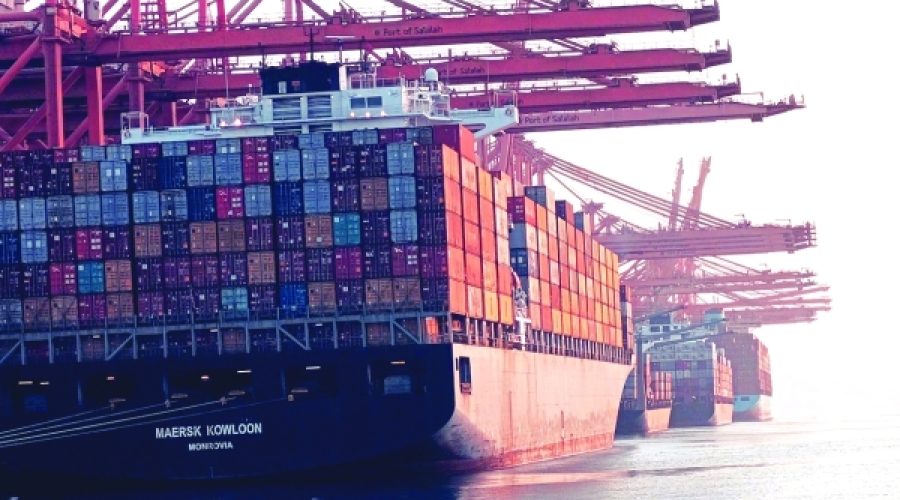
Oman’s Strategic Advantage: IMF Highlights Opportunities for Investors Amid Strained Gulf Trade Routes
MUSCAT, APRIL 19 — In a recent regional assessment, the International Monetary Fund (IMF) highlighted that Oman is positioning itself more favorably than many of its Gulf neighbors amid the disruption caused by ongoing conflicts impacting trade, energy, and transportation links across the region.
The IMF noted that since the conflict began on February 28, the economic outlook for the Middle East and North Africa has deteriorated, resulting in lowered growth forecasts and disruptions in oil production, shipping, and air traffic. The Fund anticipates that regional growth will decelerate to 1.4% by 2026 under its reference scenario.
In contrast, Oman has experienced only limited disruptions to its trade and production. The IMF explained that the closure of the Strait of Hormuz and broader trade interruptions have adversely affected countries that depend heavily on this vital waterway for exports and imports. Oman’s geographical advantage allows its maritime access to remain unaffected, providing a level of protection during this tumultuous period.
Higher oil prices are also contributing positively to Oman’s economy. The IMF projects that the increase in crude oil prices will enhance both Oman’s current account and primary fiscal balance, distinguishing it from other producers where decreased output and export flows have negated the advantages of rising prices. Following the outbreak of conflict, Brent crude prices surged above $100 per barrel, even as maritime traffic through the Strait of Hormuz plummeted and energy markets tightened, impacting several Gulf producers.
Inflation in Oman is anticipated to remain relatively manageable, with the IMF forecasting a slight uptick of around 0.2 percentage points. This is in stark contrast to larger increases expected elsewhere in the region.
However, the IMF cautioned that Oman is not entirely insulated from regional issues. A prolonged or intensified conflict could exacerbate challenges across the region, affecting trade, tourism, logistics, and investment, while potentially driving up inflation and causing financial strain.
The report illustrates a broader reality for Oman: its strategic geography not only serves as a location but also provides an economic advantage. As key Gulf trade routes face increased strain, this advantage is becoming increasingly evident.
Special Analysis by Omanet | Navigate Oman’s Market
Oman’s strategic geographical position is proving advantageous as neighboring economies suffer from regional disruptions. This presents unique opportunities for businesses to leverage stable trade routes and potentially attract investments in logistics and energy sectors. Investors and entrepreneurs should focus on aligning with Oman’s growth in oil revenues while remaining vigilant to potential risks, especially if conflicts escalate and impact the broader Gulf region.