Global Energy Crisis Driven by War: Implications for Investors and Businesses in Oman
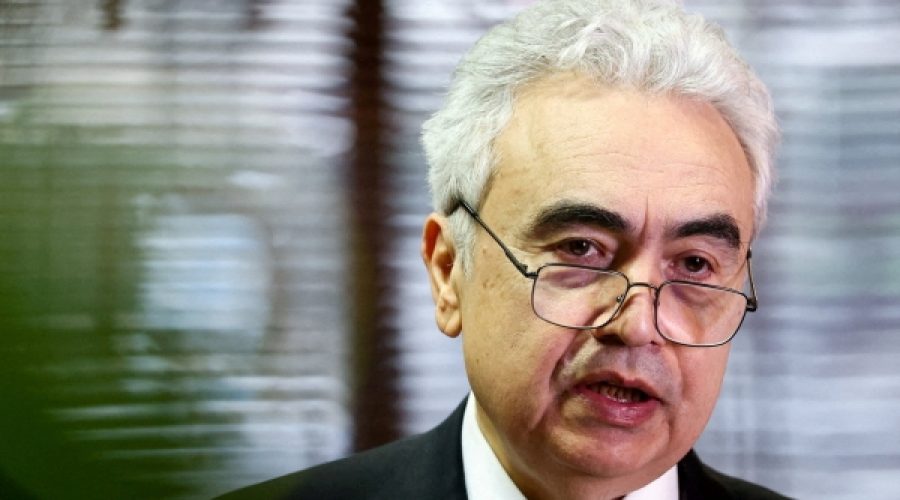
PARIS – The ongoing conflict involving Iran, the United States, and Israel is precipitating the most severe energy crisis the world has ever encountered, according to Dr. Fatih Birol, the head of the International Energy Agency (IEA). In an interview with France Inter aired on Tuesday, Dr. Birol stated, “This is indeed the biggest crisis in history.”
He elaborated on the situation, noting that the energy crisis is exacerbated by the intertwined effects of escalating petrol and gas shortages linked to Russia.
The conflict in the Middle East has significantly disrupted maritime traffic in the Strait of Hormuz, a vital corridor for approximately one-fifth of global oil and liquefied natural gas shipments. This disruption compounds the challenges already posed by Russia’s war with Ukraine, which has severed Russian gas supplies to Europe.
Earlier this month, Birol characterized the state of global energy markets as more dire than the combined crises of 1973, 1979, and 2022. In light of rising oil prices prompted by the U.S.-Israeli conflict with Iran, the IEA announced in March its decision to release a record 400 million barrels of oil from strategic reserves to address the escalating situation.
Special Analysis by Omanet | Navigate Oman’s Market
The ongoing energy crisis, fueled by heightened tensions in the Middle East, presents a dual-edged sword for businesses in Oman. While it may strain supply chains and exacerbate costs, there are emerging opportunities for investment in alternative energy sources and logistics enhancements in the region. Smart investors and entrepreneurs should prioritize strategies that capitalize on shifts towards energy diversification and resilience amid these geopolitical uncertainties.