Rising Power Prices in Europe Due to Iran Conflict: What It Means for Renewable Energy Investments and Businesses
VLORA, Albania / PARIS — Amid the global disruption of oil and gas supplies caused by the Iran war and the resulting surge in energy prices, Albania’s Drin River has emerged as a vital source of stability. Fed by winter rains and snowmelt, and equipped with hydroelectric dams constructed during the communist era, the river generates over 90% of Albania’s electricity. This abundant hydro power helps keep the country’s wholesale electricity prices comparatively low.
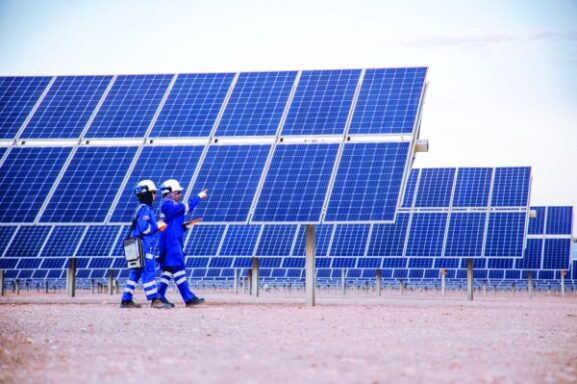
Albania exemplifies how nations with a higher share of renewable energy production have been more resilient to sharp electricity price increases since the U.S. and Israel attacked Iran on February 28. According to price comparisons across Europe, this resilience could ease the financial burden on households and businesses and support economic growth as the effects of price changes reach consumers in the coming months. Furthermore, it may strengthen Europe’s green energy transition, which has faced criticism for its pace and opposition from figures like former U.S. President Donald Trump.
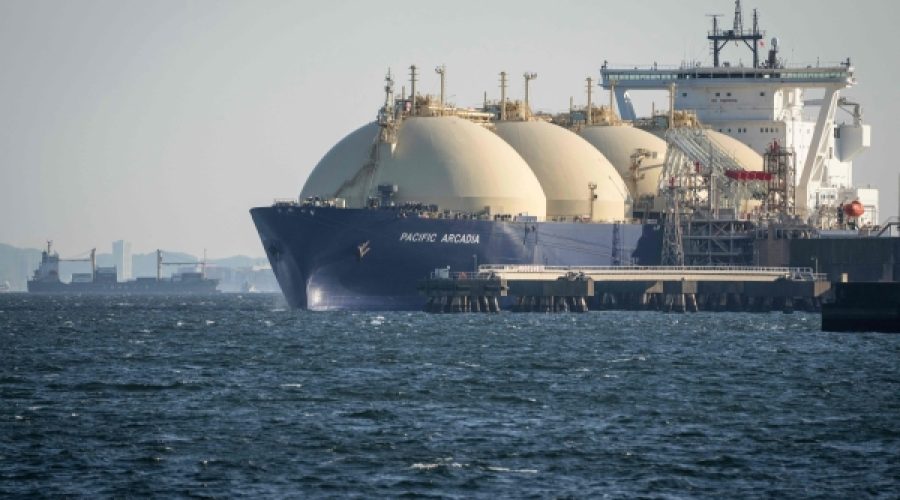
Countries heavily dependent on oil and gas are experiencing steeper price hikes, intensifying inflation and the risk of a global recession, a concern that still lingers from the 2022 energy crisis triggered by Russia’s invasion of Ukraine.
“The crisis is raising the regional price floor, but those with the least flexibility and greatest reliance on imported fuels are facing the most volatility and peak pricing,” said Satyam Singh, an energy analyst at Rystad.
Power Price Variations Across Europe
Across the Adriatic, Italy, which generates over 40% of its electricity from gas, has seen its benchmark wholesale price climb by more than 20% since the war began. Similarly, Germany’s gas-dependent market has experienced a rise exceeding 15%. In contrast, France, where 70% of electricity comes from nuclear power, has seen an increase less than half that of Italy’s. Spain, rapidly expanding renewables to nearly 60% of its electricity mix, has seen prices actually fall. Albania also reported lower average prices in March compared to the previous year due to its plentiful hydroelectric capacity.
Although countries like Italy, Germany, and Greece have invested in solar power, their heavy dependence on it creates the ‘duck curve’ effect—where prices dip sharply midday but spike during early mornings and late afternoons. Alessandro Armenia, a power analyst at Kpler in Paris, explained, “The aim for countries like Italy and Germany is to build a large portfolio of renewables and long-term storage to offset gas. But that will be a major challenge.” Meanwhile, coal-reliant countries such as Poland and Serbia have managed better in the current scenario. Greece, with strong solar generation, has opted to keep a lignite-fired plant open for at least another year amid the Iran conflict.
Households and Businesses Under Strain
Analysts suggest that while wholesale power prices have surged, the impact on household electricity bills will be more gradual, as increases take months to filter through. The European Commission has proposed reducing electricity taxes to alleviate the effects, though such measures could significantly increase state expenses.
Consumers already grappling with rising oil-based fuel costs worry about escalating electricity bills. In Cyprus, where electricity prices are among the highest in the EU, the dominant power provider forecasts prices could rise by as much as 20% by August, driven partly by the ‘duck curve’ effect.
For individuals like Marios Georgiou, a machine operator in Limassol, soaring fuel costs—up as much as 20%—have forced him to quit one of his jobs and find employment closer to home. His monthly electricity bill is about 200 euros. “I have two jobs and can barely break even. Everything is just going up,” he said.
Similarly, in Italy, Nico Vanni, owner of La Nave bakery in Castiglion Fiorentino, faces rising costs for diesel fuel and natural gas used in deliveries and ovens. Suppliers have also increased prices for ingredients and packaging. “We can hold out a few months, but not much longer. The real risk is needing to cut staff,” he noted.
Albania’s Hydropower Advantage—But For How Long?
In Albania, residents near the massive Vau i Dejes hydroelectric dam wryly refer to hydropower as the only beneficial legacy of the country’s communist past.
Albania’s energy ministry highlighted that its heavy reliance on renewable energy, especially hydropower, has been critical in shielding the country from the worst of the crisis, though it acknowledged the situation is not without challenges.
The country still imports electricity during peak demand and protects consumers through government subsidies. The ministry cautioned, “The Iran conflict has increased pressure behind the scenes, particularly on public finances. On the surface, the system is stable, but beneath, the strain is building.”
— End —
Special Analysis by Omanet | Navigate Oman’s Market
The ongoing Iran conflict highlights the strategic advantage of heavy reliance on renewable energy, as exemplified by Albania, which has been shielded from severe electricity price shocks. For businesses in Oman, this underscores a critical opportunity to accelerate investment in renewable infrastructure to mitigate exposure to global fossil fuel volatility and inflation. Smart investors and entrepreneurs should now consider diversifying energy portfolios and supporting green energy projects to enhance resilience and capitalize on the global push for sustainable energy transitions.