Oman’s Gas Output Surpasses 13.7 BM³: Implications for Investors and Energy Sector Growth
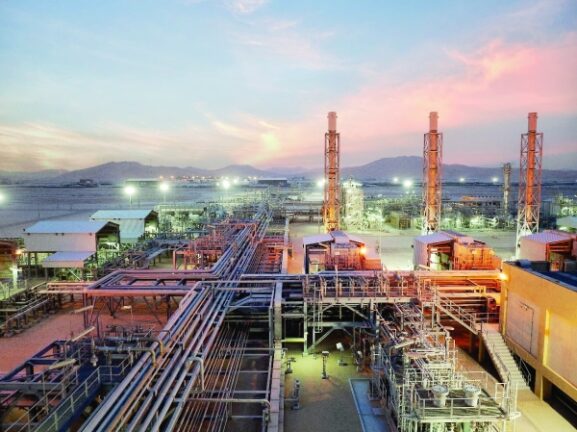
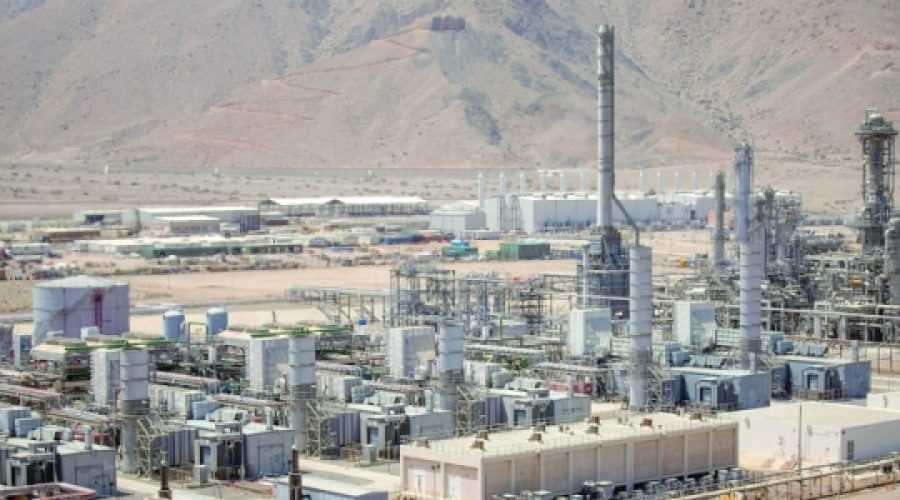
MUSCAT: Oman’s natural gas production, including imports, increased by 2.5% to reach 13.744 billion cubic metres by the end of March 2026, up from 13.4076 billion cubic metres during the same period last year, according to the National Centre for Statistics and Information. This rise reflects a stronger supply amid growing demand from key sectors.
However, associated gas output saw a decline of 2.2%, totaling 2.975 billion cubic metres, compared to 3.0368 billion cubic metres in the first quarter of 2025. Conversely, the production of non-associated gas, which includes imports, grew, contributing to the overall increase in supply.
On the demand side, trends showed a generally upward trajectory, albeit mixed. Consumption in industrial projects rose by 3.1% to 7.3674 billion cubic metres, reflecting ongoing activity in manufacturing and processing. Notably, gas usage in power generation surged by 12.9%, reaching 3.5308 billion cubic metres, highlighting heightened electricity needs.
In contrast, gas consumption in oil fields, which includes losses and operational inefficiencies, decreased by 8.8% to 2.7984 billion cubic metres, indicating improved efficiency or reduced operational requirements.
Additionally, gas usage in industrial sectors, including zones and the Oman Cement Company, saw a significant drop of 31.6%, falling to 47.2 million cubic metres from 69.1 million cubic metres a year prior.
Overall, the data indicate a gas market characterized by rising demand from power and industrial sectors, balanced by efficiency improvements in upstream operations and a downturn in specific industrial clusters.
Special Analysis by Omanet | Navigate Oman’s Market
The 2.5% growth in Oman’s natural gas production presents a strategic opportunity for businesses, particularly in the industrial and power sectors, to leverage increased supply amid rising demand. However, the decline in associated gas output and significant reduction in gas consumption for certain industrial applications indicate potential risks in operational efficiency and market volatility. Smart investors and entrepreneurs should focus on innovating within efficient energy utilization and exploring sectors poised for growth, such as renewable energy and manufacturing, to navigate this evolving landscape effectively.