Oman’s Deepening Reforms Strengthen Economy: What Investors and Business Owners Need to Know
MUSCAT — Oman’s robust public finances, lower debt levels, and expanding non-oil economy are enabling the Sultanate to navigate regional instability more effectively than many Gulf states, according to the World Bank Group. The institution highlighted Oman’s growing economic resilience amid ongoing geopolitical tensions during a session in Muscat reviewing its latest Gulf Economic Update, titled “Smart Spending, Stronger Outcomes: Fiscal Policy for a Thriving GCC.”
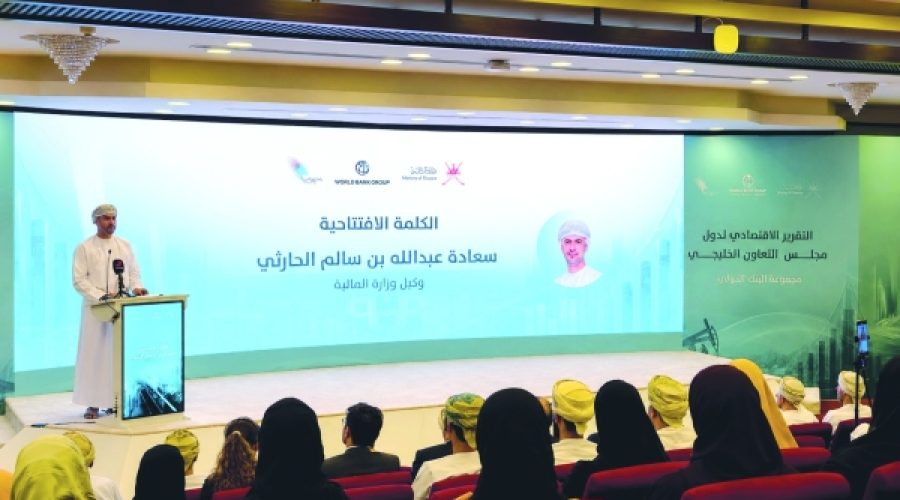
In his opening remarks, Abdullah bin Salem Al Harthy, Under-Secretary of the Ministry of Finance, emphasized Oman’s continued focus on a broad economic strategy centered on diversification, fiscal sustainability, and digital transformation. He noted these priorities are crucial pillars for strengthening economic resilience, supporting sustainable development, and enhancing Oman’s competitiveness regionally and internationally.
Al Harthy remarked that the report arrives at a pivotal moment as shifting global conditions and geopolitical developments compel Gulf economies to accelerate reforms and develop more diversified growth models. He also underscored the importance of cooperation with international institutions like the World Bank Group, which supports national economic policies through technical expertise, research, and best global practices.
“The Oman chapter of the report highlights the country’s progress in fiscal discipline and sustainability, reflecting the government’s efforts to improve public financial management and bolster economic resilience,” he said.
Wendy Werner, World Bank Group Country Manager for Oman, told the Oman Observer that the Sultanate’s economic performance should be seen within the larger context of regional and global trends. “While the report focuses on Oman, it situates the country within broader Gulf and global economic dynamics,” she explained.
Werner elaborated that the World Bank’s work in Oman aims to support the implementation of Oman Vision 2040, particularly in promoting diversification and sustainable growth. She expressed confidence that Oman’s growth momentum will strengthen in the coming years, driven by declining public debt and robust non-oil sector performance.
She highlighted sustained public debt reduction, recognized by international credit rating agencies, along with stronger growth in non-oil sectors as key factors underpinning the country’s positive outlook. “These indicators point to resilient, credible, and sustained higher growth,” Werner affirmed.
Hoda Youssef, Lead Country Economist for the Gulf Cooperation Council at the World Bank, presented the report emphasizing that Oman’s fiscal reforms and diversification initiatives have enhanced its ability to absorb external shocks, positioning it among the least vulnerable GCC economies during regional disruptions.
The World Bank projects Oman’s economy to grow by 2.4 percent in 2026, with a current account surplus reaching 3.4 percent of GDP and a fiscal surplus of around 3.2 percent. This outlook is supported by elevated oil and fertiliser prices, improved spending discipline, more efficient tax collection, and ongoing reforms under Oman Vision 2040 and the Medium-Term Fiscal Plan.
“Oman is fortunate to have alternative trade routes, making it less exposed to disruptions related to the Strait of Hormuz,” Youssef noted. The Strait of Hormuz handles approximately 25 percent of global oil trade, while Qatar accounts for nearly 20 percent of global LNG exports, underscoring the economic risks tied to regional instability. The Gulf also constitutes about one-third of the world’s fertiliser trade, a vital element for global food production and security.
The World Bank highlighted Oman’s fiscal consolidation programme as a standout regional reform, noting significant progress in debt reduction and improved management of oil revenues. “Oman has made substantial strides in enhancing economic resilience and laying the groundwork for sustainable growth,” the report stated.
The presentation also pointed out that the GCC entered the current crisis from a relatively stable macroeconomic position, with regional growth forecast at 2.6 percent for 2025, largely driven by non-oil sectors, while inflation remains relatively contained across most Gulf states.
However, the World Bank cautioned that diversification within the GCC remains incomplete, with many countries still heavily reliant on hydrocarbon revenues. Youssef noted that ongoing regional tensions continue to impact energy markets, shipping routes, tourism, aviation, and logistics across the Gulf. Tourism contributes about 4 percent of Oman’s GDP and is among the sectors affected by instability.
She further explained that higher freight and insurance costs, resulting from vessels taking longer alternative routes, are driving up transport expenses and contributing to global inflationary pressures. Rising fertiliser prices, she warned, are a growing concern for food-importing countries because of their impact on food security and staple commodity prices. Oman’s role as a fertiliser exporter could, however, offer short-term fiscal and external balance support.
Despite a relatively favourable forecast, the World Bank underscored that investor confidence remains one of the region’s most significant economic risks. Youssef stressed that restoring foreign direct investment flows will require sustained efforts once regional tensions subside, particularly by reinforcing economic resilience and maintaining credible policies.
Special Analysis by Omanet | Navigate Oman’s Market
Oman’s robust fiscal consolidation, declining debt, and expanding non-oil economy position it as a regional leader in economic resilience amid ongoing geopolitical tensions. Businesses should capitalize on diversification and digital transformation priorities highlighted under Oman Vision 2040, while investors must carefully monitor geopolitical risks and focus on sectors like fertiliser exports and sustainable growth. Smart entrepreneurs can leverage Oman’s strategic alternative trade routes and fiscal reforms to build long-term competitive advantages and mitigate exposure to regional instability.