Oman Boosts Development Spending by 38%: What This Means for Investors and Business Growth Opportunities
MUSCAT, JUNE 22 — Oman’s State Final Account for the Fiscal Year 2025 reveals a compelling narrative beyond the headline deficit figure. Development expenditure reached RO 1.577 billion, exceeding the approved budget allocation of RO 1.140 billion by RO 437 million, marking a significant 38 percent increase.
The Ministry of Finance clarifies that this rise was intentional, reflecting additional funds allocated to government units and governorates to accelerate the implementation of approved projects. Essentially, the government prioritized funding projects that were already planned but yet to be executed.
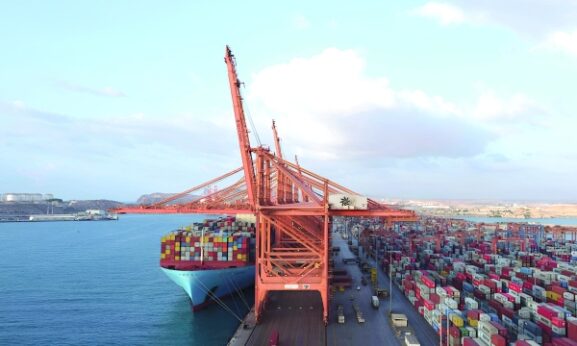
Infrastructure projects received the largest share, with RO 682 million allocated—accounting for 43 percent of total development spending. This funding supports critical sectors such as roads, airports, seaports, water systems, urban planning, and government administration, which collectively form the foundation for economic activity.
Social infrastructure followed closely with RO 630 million, representing 40 percent of development expenditure. This category includes investments in schools, hospitals, information systems, and cultural facilities—key elements shaping the quality of life across Oman’s governorates.
The remaining 17 percent of the spending was divided between services-producing sectors—including housing, electricity, water, commerce, and tourism, which received RO 194 million—and goods-producing sectors such as energy, minerals, agriculture, and fisheries, which were allocated RO 71 million.
Beyond the figures, the increase in development spending signifies Oman’s strategic use of a phase of relative fiscal stability to address infrastructure deficits rather than merely reducing the deficit. This is a deliberate and commendable policy decision.
However, the final account does not provide specifics on the distribution and impact of the spending. Questions remain about which governorates benefited most, which projects were completed or paid for but still underway, and how much of the RO 1.577 billion benefited local companies and SMEs versus large contractors or international firms.
These details are crucial to transforming a budget report into a comprehensive development story. While the final account confirms that Oman invested beyond the planned budget in long-term infrastructure and services, further transparency is needed to reveal the tangible outcomes of this increased expenditure.
Special Analysis by Omanet | Navigate Oman’s Market
Oman’s 38% overshoot in development spending, focused on infrastructure and social services, signals a strategic shift towards closing critical infrastructure gaps amid fiscal stability. For businesses, this creates opportunities in construction, services, and local SME engagement, while investors should monitor project execution transparency and regional allocation to identify high-impact ventures. Smart entrepreneurs must position themselves to capitalize on government-backed growth sectors while advocating for greater local participation and accountability in spending flows.