Innovative Supply Chain Solutions Unveiled at Conference: What It Means for Oman’s Business Growth
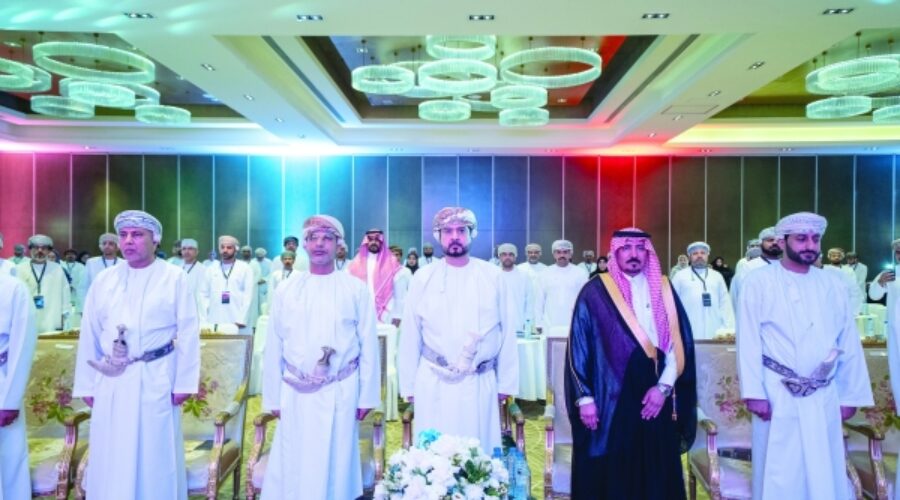
MUSCAT, JUNE 22 — The inaugural Resilience Conference for Risk and Crisis Management and Business Continuity commenced today under the patronage of Qais bin Mohammed Al Yousef, Chairman of the Public Authority for Special Economic Zones and Free Zones (OPAZ). The event underscores the critical need to strengthen institutional preparedness and resilience amid evolving global challenges.
This specialized conference brings together top experts, policymakers, academics, and specialists from Oman and abroad to exchange insights on the latest global practices in risk and crisis management and business continuity. A key focus is on supply chains, recognized as vital to sustaining and enhancing the competitiveness of national economies.
Nasser bin Khalid al Yaarubi, CEO of Jabreen Scientific Academy, highlighted that the conference aims to elevate institutional understanding of the importance of robust risk management frameworks and business continuity strategies. He noted that rapid economic and technological advances, combined with complex geopolitical realities, require institutions to adopt proactive risk management approaches. Such measures are essential to ensuring business longevity, securing supply chains, and maintaining stable operations and service delivery.
One of the conference’s pivotal sessions featured Dr. Moataz Salama, Editor-in-Chief of the Arab Strategic Report at the Al-Ahram Centre for Political and Strategic Studies. Dr. Salama reviewed recent major geopolitical shifts and their direct impacts on global trade and supply chains. He stressed that rising regional and international tensions have increased vulnerabilities to cross-border disruptions, necessitating more flexible, diversified, and resilient supply chain strategies.
Dr. Raed bin Mohammed al Rubaie, CEO of Sohar Freezone and Deputy CEO of Sohar Port, emphasized the strategic importance of Omani ports within regional and global trade networks. He described the ports as crucial for sustaining the uninterrupted flow of goods and services and for enhancing supply chain efficiency. Dr. Al Rubaie called for strengthening supply chain resilience as a strategic imperative for countries and institutions alike. He noted ongoing efforts to expand operational capabilities at Omani ports, which bolster economic growth and reinforce Oman’s standing as a leading logistics hub.
He further highlighted the significance of the land customs corridor in reinforcing regional value chains and supporting both food security and manufacturing sectors by facilitating the seamless movement of goods and vital raw materials, especially during times of uncertainty. In the food sector, SOHAR Port and Freezone serve as gateways for grain imports destined for GCC markets, thereby contributing to regional food security. Approximately 30,000 metric tonnes of general cargo and 60,000 metric tonnes of dry bulk cargo are handled weekly through this corridor.
The corridor also underpins the aluminium industry by transporting alumina to smelters in the UAE and Bahrain, ensuring the continuity of crucial downstream industries. Transport volumes to GCC markets reached 123,028 metric tonnes, with total exports amounting to 209,991 metric tonnes.
The Resilience Conference firmly conveys that building more resilient and adaptable institutions is no longer optional but a strategic necessity. Such resilience is vital to sustaining economic growth, boosting national competitiveness, and securing Oman’s position as a premier regional hub for risk management, business continuity, and logistics.
Special Analysis by Omanet | Navigate Oman’s Market
The Resilience Conference underscores Oman’s strategic emphasis on strengthening risk management and supply chain resilience, positioning it as a vital regional logistics hub amid escalating global uncertainties. For businesses, this signals a critical need to adopt flexible, diversified supply chain strategies to safeguard operations and capitalize on Oman’s enhanced port and freezone capabilities. Smart investors should consider opportunities in sectors tied to logistics, food security, and manufacturing, leveraging Oman’s evolving infrastructure to mitigate risks and drive sustainable growth.