Hydrogen Project Set for Commissioning by Q4 2026: What This Means for Investors and Entrepreneurs in Oman
MUSCAT, DECEMBER 15 — The first phase of Oman’s inaugural green hydrogen project, spearheaded by India’s ACME Group, is expected to be commissioned by the end of 2026. This development marks a significant advance in Oman’s shift towards low-carbon fuel production.
Senior executives from ACME Group recently visited Muscat to underscore Oman’s selection as the company’s global hub for its first commercial-scale green hydrogen investment. They shared insights during the Green Hydrogen Summit Oman (GHSO) 2025.
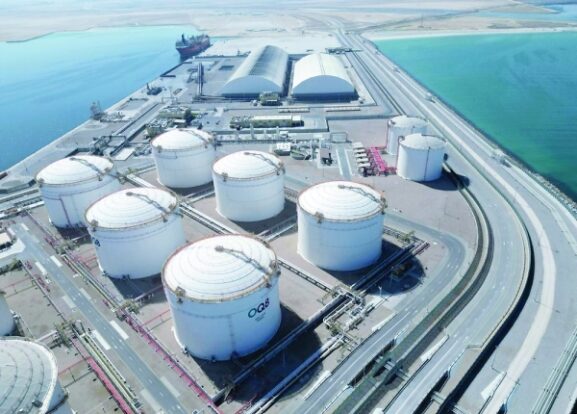
Arnava Sinha, Executive Vice President of ACME Group, revealed that the project’s initial phase will produce 100,000 tonnes per annum (tpa) of green ammonia at the Special Economic Zone at Duqm (SEZAD), all of which is committed to the European market starting early 2027. The project’s financial viability was secured through a long-term offtake agreement with Norwegian fertiliser giant Yara.
“We are grateful to Yara for committing to a binding 15-year contract for the full first-phase production of 100,000 tonnes of green ammonia. This secured favourable financing, and the project is progressing well. The first RFNBO-compliant green ammonia from Oman is expected to reach Europe in early 2027,” Sinha stated.
Sinha emphasized Oman’s strategic role as the launchpad for ACME’s green hydrogen ambitions. “Although we are an Indian company with projects in India, we deliberately chose Oman for our flagship green ammonia project. Oman stands out due to its exceptional renewable energy potential, the co-location of renewable power, electrolysers, and the ammonia loop at Al Duqm, as well as a robust and supportive government framework,” he explained.
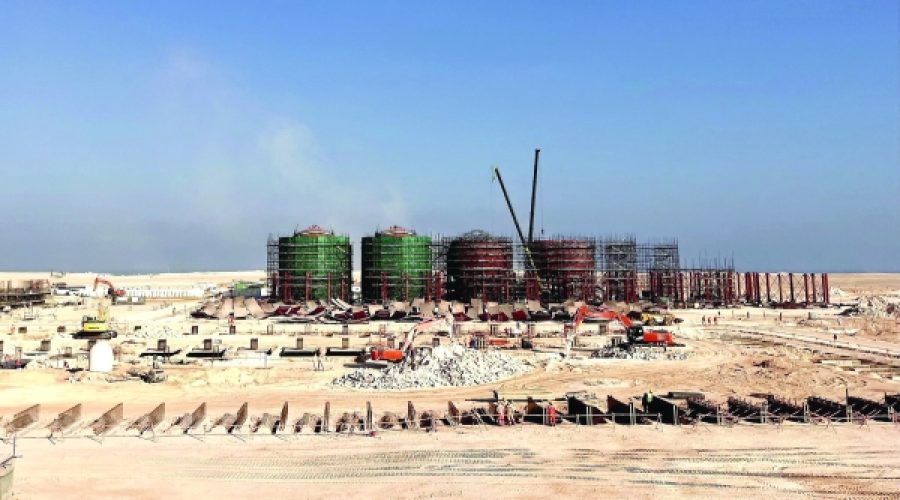
Anil Kumar Taparia, Chief Operating Officer — Green Hydrogen/Ammonia, reported that the project has surpassed 50% completion. “Most engineering work is finished, synthesis loop licenses and electrolyser orders are secured, and equipment is arriving on site. The complex civil engineering challenge of managing cliff work for pipelines descending 90 metres to the sea is complete. We are confident the first green molecule will be produced by Q1 2027,” he shared.
Taparia noted ongoing discussions with multiple end users as Oman develops a green hydrogen corridor, including collaborations with integrated energy group OQ and government entities overseeing renewable energy transmission and hydrogen infrastructure.
“Green hydrogen is the primary product, converted to green ammonia mainly for logistical reasons. However, global long-term demand will focus on hydrogen itself. As liquefaction and transport technologies advance, we expect a significant rise in hydrogen demand over the next decade. Oman is poised to become a leader in large-scale green hydrogen projects, and we are fully committed to supporting this national initiative,” he added.
Sumit Sinha, Associate Vice President of ACME Group and involved with the project since 2022, explained the developmental journey: “We started with feasibility studies and basic design packages developed alongside Linde, KBR, and other partners, engaging suppliers across the supply chain for electrolysers, hydrogen storage, compressors, and process units. Initial skepticism has been overcome through three to four years of dedicated development. Crucially, support from both the Indian government, which is financing the project, and the Omani government, providing infrastructure and regulatory support, has been instrumental.”
This pioneering project cements Oman’s role in the global green hydrogen sector, advancing sustainable energy production and international cooperation.
Special Analysis by Omanet | Navigate Oman’s Market
Oman’s pioneering green hydrogen project, led by ACME Group, positions the Sultanate as a key low-carbon energy hub with strong export potential to Europe, signaling significant opportunities in renewable energy investments and infrastructure development. Businesses should capitalize on the robust government support and strategic SEZ advantages to explore green technologies, while investors must consider the long-term growth in green hydrogen demand and the emerging hydrogen corridor. This development risks sidelining traditional energy sectors unless they adapt, urging smart entrepreneurs to pivot towards sustainable energy innovations.