Targeted SME Finance in Oman: Unlocking New Growth and Supply Chain Opportunities for Your Business
MUSCAT, APRIL 16 — As the most severe maritime disruption in modern Gulf history enters its sixth week, Oman is solidifying its role as a critical logistics hub in the region. The surge in commercial activity through its ports, roads, and supply chains has created an urgent demand for working capital—a demand that traditional financing systems have yet to fully address.
Mamun, a prominent FSA-licensed Shari’ah-compliant trade finance and investment platform based in Oman, highlights that the current circumstances have confirmed what their portfolio experience already showed: well-structured working capital tied to authentic procurement cycles and verified commercial flows is not merely beneficial but essential for Omani SMEs.
The scale of this opportunity is evident in recent statistics. Oman’s National Centre for Statistics and Information (NCSI) reports that re-exports grew by 20.3% in 2025, surpassing RO 2 billion, while non-oil merchandise exports increased by 7.5% to RO 6.7 billion. Notably, non-oil exports to the UAE surged 25.3% to RO 1.3 billion. This positive momentum continued into January 2026, with non-oil exports rising another 15.3% year-on-year and re-exports growing by 9.7%—all occurring prior to the full regional impact of the Strait of Hormuz disruption.
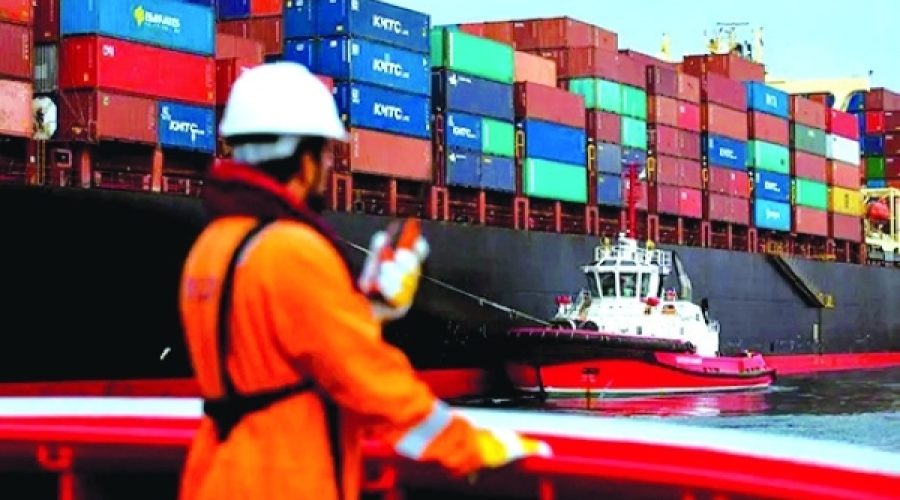
Since late February, the effective closure of the Strait of Hormuz combined with threats to Red Sea shipping has blocked the Middle East’s two principal maritime corridors. Major container lines suspended Gulf transits, war risk insurance was withdrawn, and global supply chains have been rerouted through alternative gateways. Oman’s ports of Sohar, Salalah, and Duqm have absorbed these rerouted flows.
Maritime intelligence from Windward reveals a remarkable 1,766% increase in vessel destination change requests at Sohar Port in March 2026, while Salalah experienced an 800% rise in rerouting requests. Additionally, Dubai Customs has established a Green Corridor between Oman and the UAE under Directive No. 04/2026, allowing cargo cleared at Omani ports to be transported overland into UAE markets. What began as ad hoc rerouting has developed into a structured logistics framework, driving accelerating demand across Oman’s supply chain.
This disruption has accelerated a structural shift already underway. Oman’s three major ports handle over 137 million tonnes of cargo annually and operate outside the risk zones of both the Strait of Hormuz and Bab el-Mandeb. These ports are strategically positioned at the crossroads of trade routes linking Asia, the GCC, Africa, and Europe. Key infrastructure projects—such as the $3 billion Hafeet Rail linking Sohar to the UAE’s Etihad Rail network, the expansion of Salalah’s container terminal, and Duqm’s emergence as the Middle East’s largest special economic zone—are collectively establishing Oman as the Indian Ocean’s pivotal logistics node.
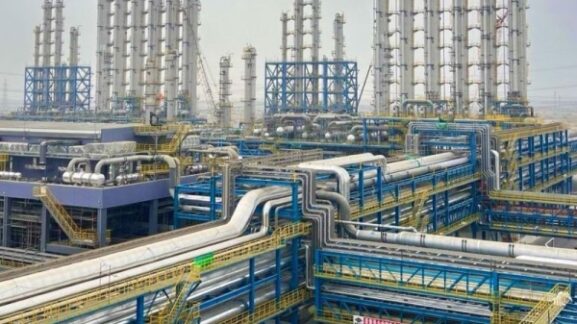
Importantly, this opportunity extends beyond transit and re-export of finished goods. Oman’s industrial base is increasingly capable of adding value before products reach re-export markets. For instance, plastics and polymer processors use OQ feedstock to manufacture finished industrial products for GCC and international customers. Food manufacturers source imported raw materials to produce locally branded goods for regional distribution. Metals fabricators in Sohar’s industrial zone supply construction and infrastructure materials across the Gulf.
In every case, the value chain runs through Omani SMEs, with working capital needs concentrated at the procurement stage. This stage is critical, as access to financing determines whether a business secures or loses an order.
For Omani SMEs, this is a tangible and immediate reality. Exporters face rising demand from GCC partners seeking to diversify their supply chains. Importers reroute procurement through local value-addition channels. Manufacturers and food processors expand to fill gaps created by disrupted supply corridors. All these developments require working capital linked to documented and anchor-backed trade flows—precisely the kind of financing infrastructure designed to support sustainable growth.
Saleh Al Tamami, Co-Founder and CEO of Mamun, stated:
“The question is no longer whether SMEs need financing. The question is whether the right financing infrastructure exists to support businesses operating in sectors that matter to the country’s long-term competitiveness. Oman’s ports are now handling cargo that the wider Gulf used to route elsewhere. The re-export numbers were already growing at 20% before this disruption. The SMEs behind those trade flows—the manufacturers, the logistics providers, the food processors, the exporters—need working capital that moves at the speed of the opportunity. In the current regional environment, financing has to do more than provide liquidity. It has to support continuity in sectors that matter to Oman’s resilience and growth.”
Special Analysis by Omanet | Navigate Oman’s Market
Oman’s strategic position as a resilient logistics hub amid regional maritime disruptions creates a crucial opportunity for SMEs to scale through enhanced working capital solutions tied to real trade flows. For businesses and investors, this marks a pivotal moment to invest in supply chain financing and value-add industries, as Oman’s growing ports and industrial zones redefine regional trade corridors and economic resilience. Smart investors should prioritize Shari’ah-compliant, agile financing platforms that enable SMEs to capitalize on this accelerated shift towards Oman’s emerging role as a logistics and manufacturing nexus.