Sony Honda Unveils Prototype EV: What This Means for the Future of the Automotive Market and Investment Opportunities in Oman
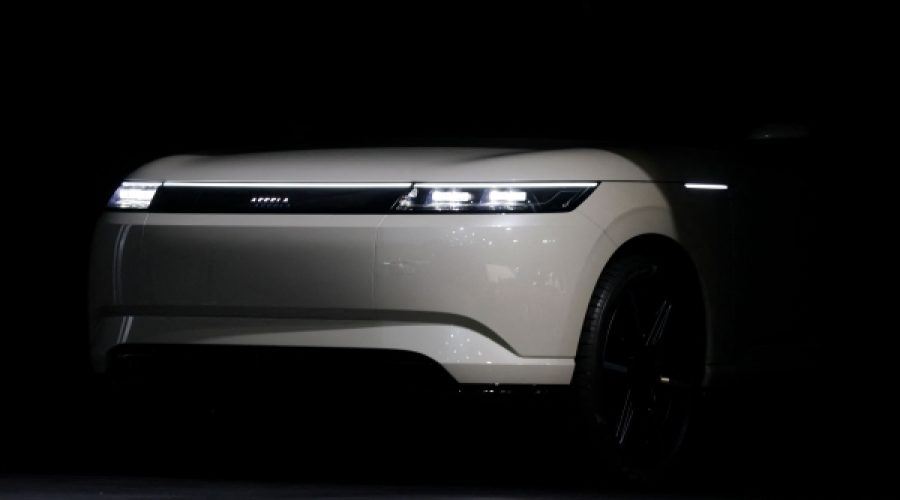
Sony Honda Mobility revealed its new prototype electric vehicle at the CES trade show in Las Vegas on Monday, standing out amid a climate where many U.S. automakers are slowing down their electric vehicle (EV) initiatives.
Yasuhide Mizuno, CEO of Sony Honda Mobility—a joint venture between Sony Group and Honda Motor—announced that the company aims to launch a new model based on the Afeela prototype to U.S. customers as early as 2028. Mizuno also stated that deliveries of the Afeela 1, the company’s first EV introduced last year, are expected to begin in California later this year. The Afeela 1 is priced starting at $89,900.
The unveiling was notable at CES 2025, an annual consumer electronics event, where many automakers are grappling with declining EV demand and tariffs on auto and auto parts imports. As a result, several manufacturers have canceled plans for new EV models or paused production.
Contributing to the challenges in the EV market, the Trump administration rolled back EV-friendly policies, including the removal of a $7,500 tax credit, which has diminished consumer interest in electric vehicles.
Sony Honda Mobility was established in 2022, combining Honda’s engineering and vehicle manufacturing expertise with Sony’s strengths in software and gaming technology to compete in the growing EV sector.
This collaboration reflects a strategic effort to innovate despite the broader industry’s current obstacles.
Special Analysis by Omanet | Navigate Oman’s Market
Sony Honda Mobility’s bold entry into the EV market, despite broader industry pullbacks and tariff challenges, signals a disruptive innovation opportunity for Omani businesses looking to engage with cutting-edge automotive and tech partnerships. Smart investors should monitor emerging EV technology collaborations like Sony Honda’s for potential regional adaptation or investment, while entrepreneurs could explore complementary sectors such as EV infrastructure, software, and service ecosystems to capitalize on this growing shift.