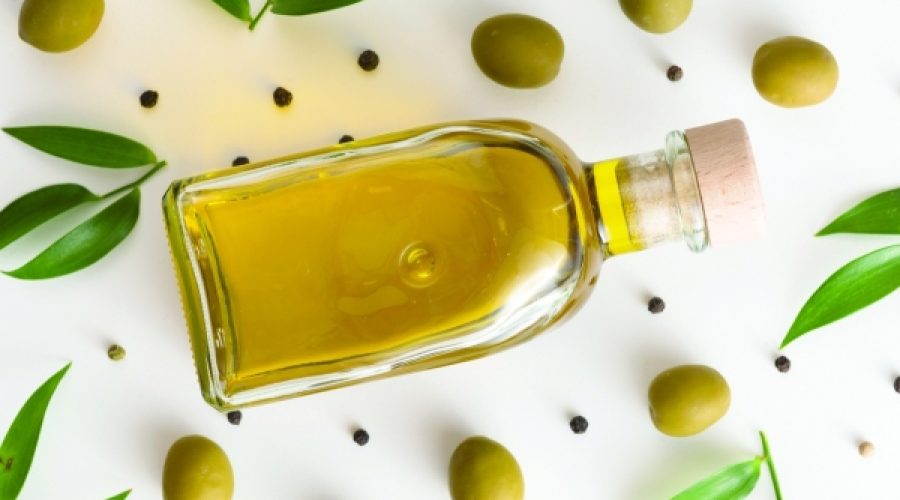
Health Benefits of Olive Oil: Key Insights for Investors and Entrepreneurs in Oman’s Food Sector
Many of the healthiest communities around the globe share a key dietary component: a high consumption of olive oil. This ingredient, particularly in its extra-virgin form, is rich in fatty acids and health-enhancing plant compounds known as polyphenols, making it a powerful anti-inflammatory agent with lasting health benefits. Research indicates that incorporating olive oil into the diet may reduce the risk of heart disease, neurodegenerative disorders, and even premature death, especially as part of a Mediterranean eating pattern.
Catherine Itsiopoulos, a nutrition researcher at RMIT University in Melbourne, Australia, emphasizes that olive oil serves as one of the “key drivers” of the Mediterranean diet’s health advantages. She notes it as the “healthiest type of fat” to include in one’s diet.
Heart Health Benefits
Olive oil boasts one of the highest levels of monounsaturated fats and polyphenols among plant-based oils. These compounds, particularly oleic acid, help regulate cholesterol levels, lower blood pressure, and promote long-term heart health.
A significant clinical trial conducted in Spain in 2018 showed that individuals at high risk for cardiovascular disease who adhered to a Mediterranean diet supplemented with at least four tablespoons of extra-virgin olive oil daily experienced a 30% reduction in the risk of heart attack, stroke, and cardiovascular-related death compared to those following a low-fat diet.
“It is essential to remember that no single food can replicate the benefits of the entire Mediterranean cuisine,” Itsiopoulos cautioned. “However, even a few tablespoons of olive oil each day can provide substantial cardiovascular benefits.”
Inflammation Reduction
Beyond its heart health benefits, olive oil is also known for its anti-inflammatory properties. Alongside its polyphenols, olive oil contains antioxidants such as vitamin E and squalene, which help mitigate inflammation and oxidative stress—factors that contribute to cell damage and disease, according to Elena M. Yubero-Serrano, a research scientist at the Spanish National Research Council.
Yubero-Serrano also highlights olive oil’s potential impact on metabolic health, indicating it may improve blood sugar control and lessen the risk of Type 2 diabetes.
Cognitive Benefits
The beneficial fats and antioxidants found in olive oil play a protective role for the brain as well. Research led by Marta Guasch-Ferré, an associate professor at the University of Copenhagen, discovered that analyzing health data from over 90,000 adults in the U.S. over 28 years revealed that those consuming more than half a tablespoon of olive oil daily had a 28% lower risk of dying from dementia compared to individuals who rarely used it. They also showed significantly reduced risks of death from cardiovascular disease, respiratory disease, and cancer.
While much of this research is observational, making it challenging to establish direct cause-and-effect relationships, the findings suggest that substituting saturated fats like butter and margarine with olive oil could potentially decrease the risk of premature death, according to Guasch-Ferré.
Optimal Consumption
Olive oil is extracted by crushing olives, and the highest quality—extra-virgin—is produced through low-temperature methods. In contrast, refined and blended oils often involve heat, chemicals, or mechanical extraction.
Yubero-Serrano notes that with increased processing, nutritional benefits diminish. Although regular olive oil can still provide healthy fats, extra-virgin olive oil stands out as the “gold standard” for nutrition due to its polyphenols and other antioxidants.
Despite its higher calorie content—approximately 120 calories per tablespoon—moderate consumption of olive oil, particularly as a substitute for less healthy fats, is unlikely to hinder health objectives. Experts recommend aiming for one to four tablespoons of olive oil per day for optimal health and longevity.
Special Analysis by Omanet | Navigate Oman’s Market
The growing awareness of olive oil’s health benefits presents a significant opportunity for businesses in Oman to capitalize on the increasing demand for health-focused products. Entrepreneurs should consider investing in local olive oil production or importation, as this aligns with the rising trend towards Mediterranean diets. However, competition and the need for quality differentiation pose risks; therefore, ensuring high standards, particularly with extra-virgin varieties, is essential for success.