Solar Project Powers Al Dhahirah SEZ Infrastructure: Key Boost for Investors and Entrepreneurs in Oman’s Growing Economic Zone
IBRI: The Special Economic Zone at Al Dhahirah (SEZAD) has successfully commissioned a solar energy system as part of its main infrastructure development, which includes primary road construction and surface-water drainage networks. This project is being executed by a joint Omani-Saudi business consortium.
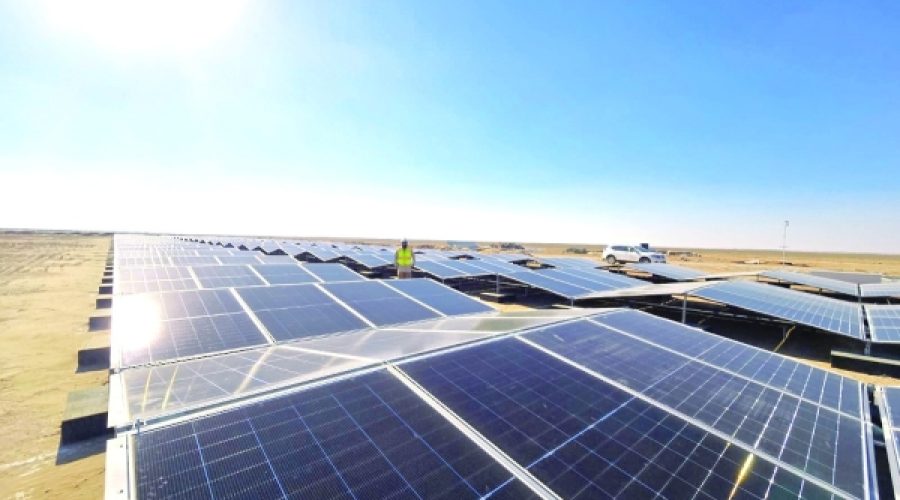
The hybrid renewable energy system boasts a peak capacity of 512 kWp and is supported by battery storage of 788 kWh, with daily electricity generation reaching 2,446 kWh, according to officials. It is engineered to fulfill 100% of the project’s power requirements during the winter months. In summer, the system is anticipated to provide 70% of evening electricity from solar-charged batteries, with the balance of 30% supplied by diesel generators.
Officials highlighted that this initiative is expected to reduce carbon emissions by an average of 24.8 tonnes of CO₂ monthly, while achieving cost savings of up to 25%.
Eng. Ibrahim bin Yusuf al Zadjali, Project Manager of SEZAD, emphasized that the project aligns with the Public Authority for Special Economic Zones and Free Zones (OPAZ) mandate to promote renewable energy. He added that OPAZ has allocated 17 square kilometers within the SEZAD master plan specifically for solar farms and renewable energy projects.
The first phase involved the installation of 600 solar panels spanning 5,000 square meters, carried out by an Omani technical team from IP Energy. The overall infrastructure project is progressing ahead of schedule, with actual completion at 14.87%, surpassing the planned target of 14.41%.
Valued at RO 22.3 million, the project includes a strong local content component. The consortium has signed 11 agreements with small and medium enterprises (SMEs), with 27% of the total project value awarded to SMEs. Of these SME contracts, 60% have been awarded to companies registered in Al Dhahirah Governorate.
Looking ahead, OPAZ plans to issue tenders soon for the third and fourth project packages, which will include a dry port, a veterinary quarantine facility, and a commercial-administrative complex.
Covering an area of 388 square kilometers, SEZAD is situated approximately 20 kilometers from the Rub Al Khali (Empty Quarter) border crossing. The zone aims to boost cross-border trade between Oman and Saudi Arabia while supporting economic diversification in the region. — ONA
Special Analysis by Omanet | Navigate Oman’s Market
The integration of a hybrid solar energy system in SEZAD’s infrastructure marks a strategic push towards sustainability and cost-efficiency, reducing carbon emissions while cutting energy expenses by up to 25%. For businesses in Oman, this presents a compelling opportunity to invest in renewable energy and green infrastructure, while smart investors should focus on SMEs and local partnerships benefiting from this green transition, particularly in the growing Al Dhahirah economic corridor.