Gold Choices Across Nations: What Investors Should Know About Their Impact on Market Stability
Understanding Global Preferences for Gold
Gold is not only esteemed as a precious metal but also serves as a significant store of wealth, a cultural emblem, and a strategic reserve. While gold is recognized worldwide, its various forms, purities, and uses lead to distinct preferences among countries based on tradition, economics, and policies.
Purity and Types of Gold
Gold purity is assessed in karats, with 24-karat gold regarded as the purest, at 99.9% purity. However, due to its softness and malleability, pure gold is not practical for everyday jewelry. Consequently, lower-karat gold, which is alloyed with other metals like copper or silver, is more commonly used.
Common types of gold include:
- 24-karat gold: Highly pure and bright yellow, primarily utilized for investments, bullion, and coins.
- 22-karat gold: Contains approximately 91.6% gold, striking a balance between purity and durability, often favored in traditional jewelry.
- 18-karat gold: Comprising 75% gold, this variant is harder and more suited for modern jewelry designs.
- White and rose gold: These alloys, mixed with metals like palladium or copper, are popular in contemporary fashion.
Countries Favoring High-Purity Gold
Numerous Asian and Middle Eastern nations traditionally prefer high-purity gold, particularly 22- and 24-karat varieties. In India, for instance, gold is integral to cultural and religious practices. Jewelry crafted from 22-karat gold is typically chosen for weddings and festivals, symbolizing prosperity and long-term security.
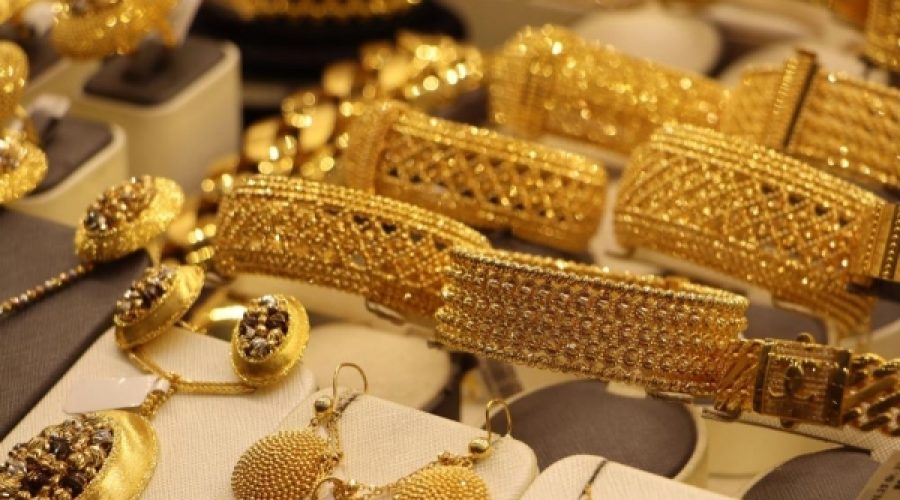
In the Gulf countries, such as Oman, Saudi Arabia, and the UAE, 21- and 18-karat gold jewelry is prevalent, reflecting cultural tastes and the perception of gold as a form of savings. Gold souqs in these regions often trade in higher-purity pieces.
Investment-Focused Preferences
Countries that prioritize gold as a financial reserve tend to prefer 24-karat gold in forms such as bars and coins. Central banks in nations like China and Russia maintain substantial quantities of high-purity gold bullion as part of their foreign exchange reserves, using gold to hedge against currency fluctuations and geopolitical risks.
Western Preference for Lower-Karat Gold
In contrast, 18-karat and 14-karat gold are more common in Europe and North America, especially in jewelry. Consumers in these markets focus on durability, lighter color tones, and affordability, making lower-karat gold more suitable for everyday wear. White gold, in particular, enjoys popularity in the United States, where it is often featured in engagement rings and luxury accessories.
A Blend of Culture and Economics
Experts emphasize that preferences for gold are shaped by a blend of cultural heritage, purchasing power, lifestyle choices, and investment behaviors. While global markets trade gold based on weight and purity, local traditions still significantly influence how gold is worn, stored, and valued.
Despite these variations, gold remains a universal asset, trusted across borders and generations as a symbol of wealth, stability, and enduring value.
Special Analysis by Omanet | Navigate Oman’s Market
The dynamics surrounding gold purity preferences present significant opportunities for Omani businesses to cater to diverse consumer tastes, especially in jewelry markets. Additionally, the increasing adoption of high-purity gold in investments could encourage entrepreneurs to explore avenues in bullion trading, aligning with regional trends in wealth preservation. However, fluctuating global gold prices and geopolitical factors pose risks that investors should closely monitor to safeguard their interests.