Iran’s Oil Output Threatened by Recent Attack: Implications for Investors and Businesses in Oman
February 28 (Reuters) – On Saturday, the United States and Israel launched an attack on Iran, raising concerns about potential disruptions to oil and gas production, as well as damage to energy infrastructure in the Middle East.
Iran’s Energy Industry Overview
Oil Production and Infrastructure
Iran stands as the third-largest producer within the Organization of the Petroleum Exporting Countries (OPEC), contributing approximately 4.5% of global oil supplies. The nation produces around 3.3 million barrels per day (bpd) of crude oil, alongside an additional 1.3 million bpd of condensates and other liquids. According to consultancy FGE, Iran’s domestic refinery capacity is about 2.6 million bpd.
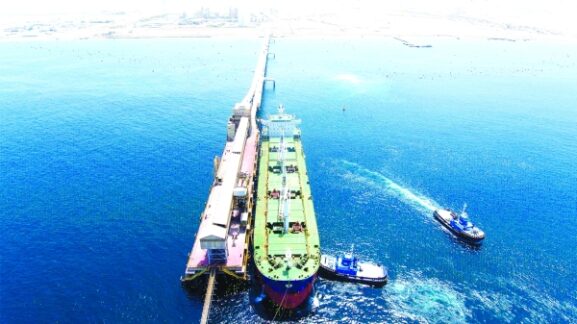
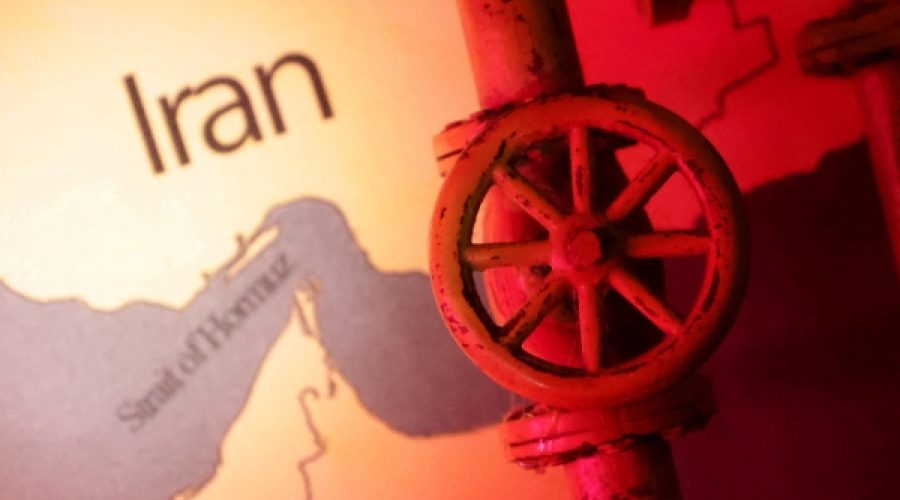
In 2025, Iran exported nearly 820,000 bpd of fuel, including liquefied petroleum gas (LPG), slightly below the export levels of 2024. The majority of Iran’s oil and gas production facilities are located in its southwestern provinces, notably Khuzestan for oil and Bushehr for gas and condensate from the South Pars field. Approximately 90% of its crude exports are routed through Kharg Island, strategically located for shipping through the narrow Strait of Hormuz. Analysts indicate that Saudi Arabia and other OPEC members may be able to offset a decline in Iranian oil supply by utilizing spare capacity, although this capacity has been decreasing due to increased output from the producer group over the past year.
Major Buyers of Iranian Oil
The primary purchasers of Iranian oil are Chinese private refiners, some of which have faced U.S. Treasury sanctions for their transactions. While China has stated it does not recognize unilateral sanctions against its trading partners, its imports of Iranian crude have diminished. To safeguard its stock from potential U.S. strikes, Iran has amassed a record amount of oil at sea, approximately 200 million barrels, equivalent to about two days of global consumption, according to data from Kpler released on February 27. Iran has evaded sanctions historically by employing tactics such as ship-to-ship oil transfers, altering the oil’s origin, and concealing tanker locations from satellite signals.
The World’s Largest Gas Reserve
Iran utilizes the South Pars gas field for natural gas production, which constitutes around one-third of the world’s largest gas reservoir, shared with Qatar, where it is known as the North Dome. Due to sanctions and technical challenges, most of the gas extracted by Tehran is consumed domestically. In 2024, Iran’s gas production reached 276 billion cubic meters, with 94% of this gas utilized within the country, according to data from the Gas Exporting Countries Forum.
In June of the previous year, Israeli airstrikes targeted four units of Phase 14 of the South Pars field, situated roughly 200 km (125 miles) from Qatar’s gas installations, many of which are joint ventures with ExxonMobil and ConocoPhillips. For nearly three decades, Qatar has earned hundreds of billions of dollars from liquefied natural gas exports. The entire reservoir is estimated to contain around 1,800 trillion cubic feet of usable gas, sufficient to meet the entire world’s demand for the next 13 years.
Special Analysis by Omanet | Navigate Oman’s Market
The recent U.S. and Israeli attacks on Iran could significantly disrupt oil and gas output in the Middle East, posing risks to energy stability and price volatility in Oman. Smart investors should consider diversifying their portfolios to mitigate potential impacts on energy sectors, while entrepreneurs should explore opportunities in alternative energy solutions to adapt to shifting market demands. As Oman’s economy remains intertwined with regional energy markets, proactive strategies are essential to navigate these geopolitical uncertainties.