Iran War Disrupts Global Shipping Routes: What It Means for Businesses and Investors in Oman
US-Israeli Military Operations Disrupt Global Maritime Traffic
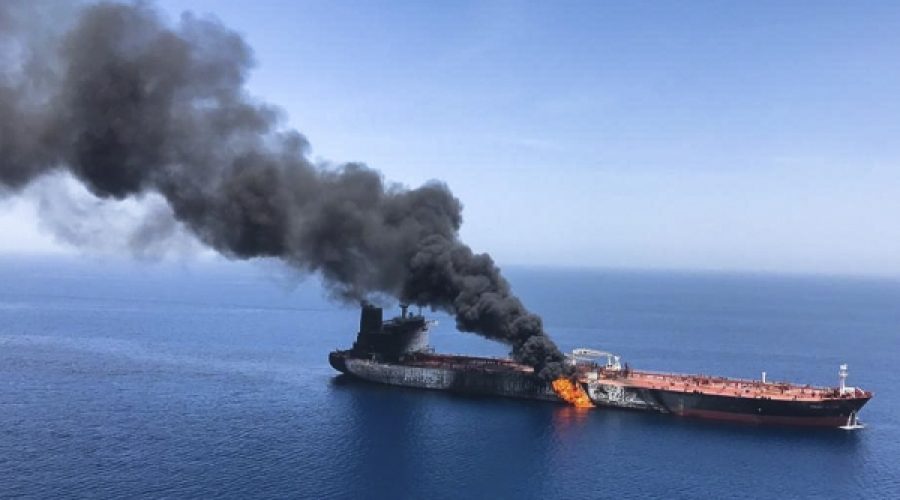
Washington: The ongoing military operations led by the US and Israel against Iran, along with Tehran’s subsequent retaliatory actions, are creating significant disruptions in global maritime traffic, particularly affecting oil tanker transport.
The grounding of vessels in the Gulf and the paralysis of the Strait of Hormuz—a vital waterway bordered by Iran and Oman—represent a serious upheaval that impacts various sectors beyond just hydrocarbons.
Impact on Shipping:
-
Fertilizer Supply Risks
Nearly 33 percent of the world’s fertilizers, including sulfur and ammonia, transit through the Strait of Hormuz, according to trade analysis firm Kpler. These fertilizers, loaded in Qatar, Saudi Arabia, or the United Arab Emirates, are destined for countries including India, China, Brazil, and various African nations. Kpler notes that “there are no viable alternatives” for shipping in the Gulf, as land routes are constrained by limited pipeline and trucking capacities. The escalating hydrocarbon prices resulting from the conflict with Iran may lead to a ripple effect, pushing fertilizer prices higher, as a significant portion of fertilizers are produced using large quantities of gas or oil. -
Threat to Plastic Production
The conflict poses a risk to a major polymer export hub in the United Arab Emirates. An analysis released by consulting firm Argus Media indicates that the region produces up to 23 million tons of polyethylene annually, accounting for 15 percent of global production. On Sunday, a fire broke out at the Emirati port of Jebel Ali, a key facility for exporting petroleum derivatives. Additionally, operations at another port in Kuwait were temporarily halted due to falling debris. -
Extended Shipping Routes
In light of the military conflict, several major shipping companies have announced that they will avoid the Strait of Hormuz due to safety concerns. Consequently, insurers have dramatically raised their rates for vessels operating in the Middle East. Navigating these waters is becoming increasingly prohibitive, with reports from Armateurs de France indicating that 60 ships flying the French flag or belonging to French companies are currently stranded in the Gulf. Notably, both the Danish company Maersk and the French company CMA CGM have ceased operations through the Strait of Hormuz and the Suez Canal. Ships must now detour around Africa, adding several thousand kilometers to their journey to reach Europe from the Middle East and Asia. -
Food Supply Concerns
Disruptions in shipping conditions are also affecting food imports to the Middle East, a region heavily reliant on such supplies. Many shipments navigate the Strait of Hormuz. Historical data from a June 2015 US military operation in Iran illustrates this issue, as entire shipments of rice destined for the region were blocked in India.
The ongoing conflict continues to pose significant challenges to maritime trade and logistics, with potential ramifications for global supply chains.
Special Analysis by Omanet | Navigate Oman’s Market
The ongoing US-Israeli military operations and Iran’s subsequent retaliation are causing significant disruptions in the Strait of Hormuz, which could create volatile market conditions for businesses in Oman. The risk of increased shipping costs and potential delays in vital imports, particularly fertilizers and food, poses a threat to sectors that rely on timely supply chains. Smart investors and entrepreneurs should consider diversifying their supply routes and exploring opportunities in local production to mitigate risks stemming from these geopolitical tensions.