Oman Crude Prices Surge 13.7% to $80.40/b: Implications for Investors Amid Mideast Crisis
MUSCAT: On Monday, March 2, 2026, the price of Oman crude surged by 13.7%, reaching $80.40 per barrel. This increase is attributed to the escalating crisis in the Middle East, ignited by coordinated strikes from the US and Israel on Iran, along with retaliatory attacks by Tehran across the region.
This $9.69 rise represents the largest short-term percentage increase in over a year, mirroring trends observed in early 2025. The last time Oman crude prices surpassed $80 per barrel was in January 2025, when they peaked at approximately $82.22 due to global supply concerns stemming from sanctions on Russian oil.
As reported by ONA, the official price of Oman crude for May 2026 delivery settled at $80.40 per barrel, while the March average stood at $62.17, indicating an 8-cent month-on-month gain.
Ali al Riyami, a leading independent energy analyst from Oman, attributed the price spike to the volatility in the market. “The sharp rise is significant, reflecting heightened geopolitical risk premiums,” he stated. “While sudden fluctuations are not uncommon during regional crises, the scale of this increase highlights the market’s acute sensitivity to conflict-driven uncertainty.”
A report by Reuters, referencing analyses from Goldman Sachs, indicated that oil markets are incorporating an $18-per-barrel risk premium, approximately a quarter of current prices. This premium arises from concerns over possible prolonged disruptions in the Strait of Hormuz. With Brent crude futures trading at $77.57 and WTI at $71.21, this implied premium would account for 23-25% of prices if crude were to exceed $90 per barrel.
In comments to the Observer, al Riyami suggested that oil prices are likely to remain elevated in the near term. “Prices are expected to stay under upward pressure, with volatility influenced by regional tensions. Unless stability is restored quickly, the risk bias points toward further gains,” he warned.
Fortunately, the strategic positioning of Oman’s export terminals, which are located away from the conflict zone, is likely to ensure uninterrupted crude flows to export markets. “This geographic advantage, combined with robust infrastructure, means that Omani exports are expected to continue without disruption. While the recent attacks were significant, they did not target export facilities, so the outlook for supply continuity remains positive,” he added.
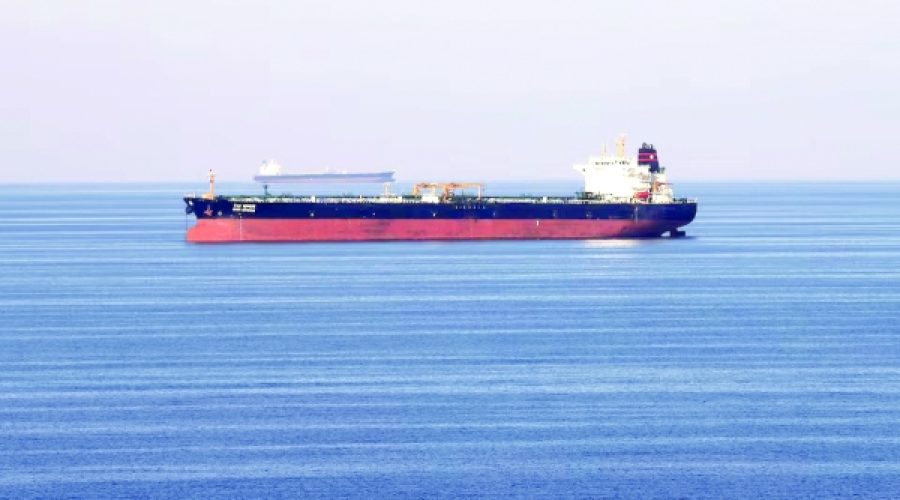
Maritime authorities have reported at least two attacks on vessels off the coast of Oman since hostilities began last Thursday. The first incident involved the Palau-flagged tanker Skylight, which was attacked about five nautical miles north of Khasab, injuring four crew members and necessitating the evacuation of all 20 individuals on board.
On March 1, 2026, the crude oil tanker MKD Vyom, flying the Marshall Islands flag, was also struck by an unidentified projectile off Oman’s coast. This incident was confirmed by UK Maritime Trade Operations. Although a fire erupted onboard, the crew was safely evacuated without harm, and the fire has now been brought under control.
Special Analysis by Omanet | Navigate Oman’s Market
The surge in Oman crude prices to $80.40 per barrel presents significant opportunities for local businesses poised to capitalize on increased profits from oil exports. However, the geopolitical instability in the region introduces heightened risks, particularly for investors reliant on stable energy markets. Smart investors and entrepreneurs should now consider diversifying portfolios and assessing risk management strategies to navigate potential volatility as regional tensions evolve.