Quarantine Project to Boost Oman’s Biosecurity: What This Means for Business and Investment Opportunities in Oman
MUSCAT, March 8 — Oman has announced plans to enhance its national biosecurity infrastructure for livestock by establishing a network of Animal Quarantine Centres (AQCs) across the country.
The initiative includes the development and operation of three centres: two new greenfield facilities at Al Suwaiq and Al Buraimi, and the modernisation and expansion of the existing centre in Raysut, Salalah.
This project will be carried out by the private sector through a Public-Private Partnership (PPP) model, supervised by the Ministry of Finance. The Ministry of Agriculture, Fisheries and Water Resources will serve as the primary government stakeholder responsible for biosecurity infrastructure development.
The Ministry of Finance highlighted that this initiative is a crucial step toward modernising Oman’s livestock management systems, mitigating public health risks, and supporting the country’s goal to become a regional hub for livestock trade and re-export.
Interested companies must submit their responses to the recently issued Request for Qualifications (RfQ) by March 28, 2026. The selected bidder will operate the project under a Design, Build, Finance, Operate, and Maintain (DBFOM) contract, granted a 30-year concession to manage the network.
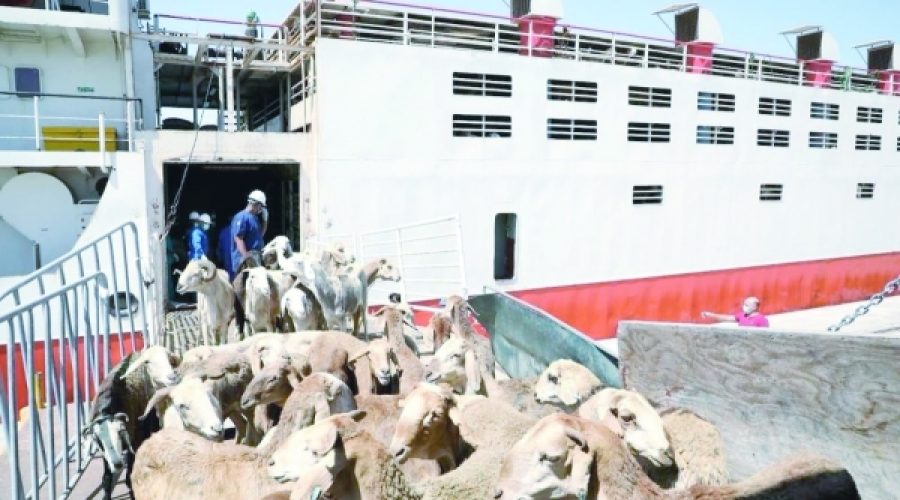
The appointed Project Company will replace the existing Raysut Animal Quarantine Centre near the Port of Salalah with a state-of-the-art biosecure facility. A new greenfield centre at Al Suwaiq will serve Oman’s northern coastal region, replacing the current Sa’al centre. Meanwhile, a new land border quarantine facility will be constructed at Al Buraimi near the UAE border, focusing especially on camel quarantine to regulate livestock entering Oman by road.
The project aims to bolster Oman’s biosecurity and disease control capabilities with modern, internationally compliant quarantine infrastructure designed to prevent the spread of transboundary animal diseases. It also seeks to improve food security and public health through safer livestock import processes, upgrade existing facilities, and reinforce Oman’s status as a regional livestock trade and re-export centre by enhancing quarantine efficiency and aligning with GCC biosecurity standards.
Private sector involvement through the PPP framework is anticipated to attract investment into Oman’s agriculture and biosecurity sectors while ensuring long-term cost-effectiveness via performance-driven management. The partnership will also promote job creation and skills development for Omani nationals, particularly in veterinary and facility management roles. Additionally, it emphasizes environmentally sustainable practices and strengthened governance through coordinated oversight by relevant government authorities.
Special Analysis by Omanet | Navigate Oman’s Market
Oman’s ambitious plan to develop a nationwide network of modern Animal Quarantine Centres via a PPP model signals a strategic move to position the Sultanate as a regional livestock trade hub, enhancing biosecurity and food safety standards. For businesses and investors, this represents a significant opportunity to engage in a long-term, high-impact infrastructure project with government backing, while boosting the agriculture sector’s modernization. Smart entrepreneurs should focus on innovative, sustainable solutions and skill development to capitalize on growing demand for advanced livestock and veterinary services.