Iran’s Strait Blockade Stance: Implications for Oil Trade and Investment in Oman
U.S. Military Action in Iran Faces Defiance
On Saturday, Iranian forces demonstrated their defiance against U.S. efforts to secure oil shipments in the Strait of Hormuz. This reaction followed a significant U.S. military raid on a critical Iranian oil hub, amid escalating tensions.
In a statement via social media, President Donald Trump claimed that Friday night’s operation “totally obliterated” military capabilities on Kharg Island, a crucial point through which nearly all of Iran’s oil exports flow. However, he added that, out of “decency,” he instructed the Pentagon to refrain from targeting the island’s oil infrastructure. Trump warned, nevertheless, that should Iran persist in obstructing the Strait of Hormuz, further actions could be taken against its oil facilities.
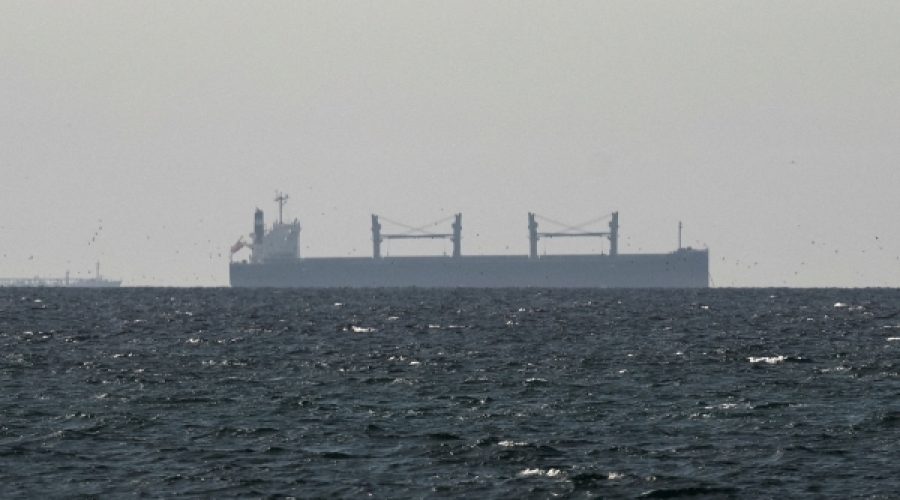
Despite Trump’s threats, Iran showed no signs of retreating from its blockade of the strait, which is vital for the passage of one-fifth of the world’s oil supply. Iran’s Revolutionary Guard issued a statement asserting that the waterway is fully under its control, declaring that the passage of oil tankers and commercial vessels affiliated with “aggressors” remains banned. They further threatened that any attempts to transit the strait would be targeted.
Since the onset of hostilities between the United States and Israel against Iran, global oil prices have surged by 40%. Iran’s aggressive posturing and threats against vessels in the strait have deterred oil tankers, significantly straining global oil supplies. Several ships have already been attacked in or around the area.
On the same day, an Iran-backed militia group in Iraq claimed responsibility for an early morning attack on the U.S. Embassy in Baghdad. This marks at least the fourth assault on American diplomatic installations since the conflict began. A video verified by The New York Times captured flames rising from a structure on the embassy’s roof. Subsequently, the embassy issued a warning to Americans in Iraq to “leave immediately” due to militia threats.
The administration’s strategy regarding the conflict remains unclear. Defense Secretary Pete Hegseth did not offer a timeline for the war’s conclusion but reiterated that a key objective is to dismantle Iran’s nuclear capabilities.
The ongoing conflict is increasingly unpopular among the American public, who are feeling its impact at gas stations. The average price of gasoline rose to $3.68 per gallon on Saturday, reflecting a 23.5% increase since the war’s initiation.
In response to media coverage of the conflict, Trump has criticized several news organizations. Brendan Carr, chair of the Federal Communications Commission, threatened to revoke broadcasting licenses for what he perceives as biased reporting on the war, accusing outlets of disseminating “hoaxes and news distortions.”
Since the war began on February 28, U.S. forces have targeted approximately 6,000 sites in Iran, according to Hegseth. The recent strikes on Kharg Island, located about 15 miles off Iran’s coast, targeted missile storage facilities and areas containing Iranian mines, which U.S. intelligence officials indicated Iran had begun to lay in the strait.
An official from Iran’s Oil Ministry reported two hours of continuous explosions and airstrikes, describing the experience as akin to an earthquake for the island’s oil refinery employees.
This report originally appeared in The New York Times.
Special Analysis by Omanet | Navigate Oman’s Market
The recent escalation in the Strait of Hormuz poses significant risks for businesses in Oman, especially those reliant on oil exports. As geopolitical tensions intensify, investors should be cautious; scarcity in oil supply can disrupt markets further, leading to increased prices and economic volatility. Smart entrepreneurs might consider diversifying their portfolios or exploring alternative energy investments to mitigate potential impacts from the ongoing conflict.