Dhofar’s Tourism Boom: How 8,400 New Hotel Rooms Impact Investment Opportunities in Oman
SALALAH, JUNE 28 — Dhofar Governorate is advancing its tourism sector with 36 new projects currently in development, according to an industry expert. Of these, 23 projects are already under construction, signaling a proactive approach to expanding the hospitality landscape ahead of the upcoming Khareef season.
The expert noted that the remaining 13 projects are navigating administrative and financing processes before implementation. This growing pipeline of investment highlights Dhofar as one of Oman’s most frequented tourist destinations.
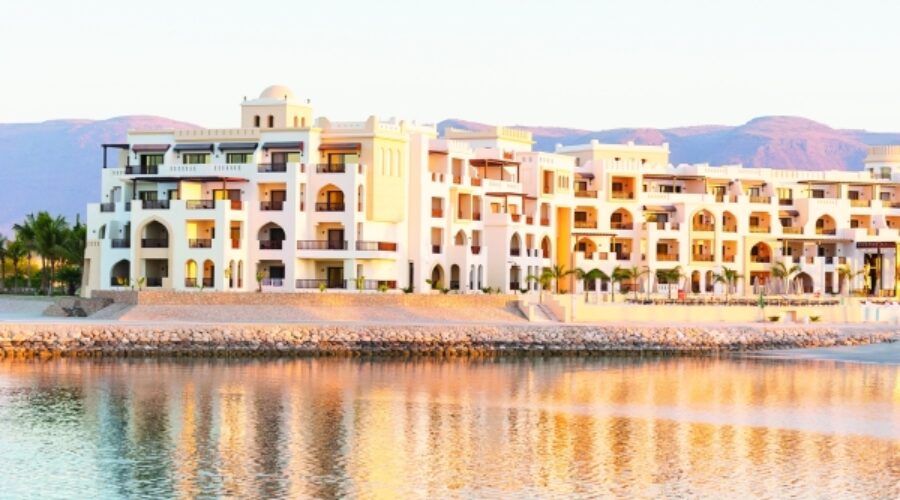
Currently, Dhofar boasts 123 licensed hotel establishments that offer more than 8,400 rooms. This expansion reflects the increasing demand for accommodation during peak seasons, which has consistently tested the limits of capacity, pricing, and service quality.
To alleviate pressure on lodging during the monsoon months, Dhofar is also laying the foundation for a more robust tourism economy that remains active beyond the Khareef season. Historically, Khareef has shaped Dhofar’s tourism identity, attracting visitors with its cooler climate, misty mountains, and lush landscapes. As a result, Salalah and its surrounding areas have become popular summer destinations within Oman and the Gulf region.
However, the emerging projects indicate a shift towards promoting tourism throughout the year. Investment is no longer solely focused on the peak season; it now encompasses accommodations, leisure activities, services, and visitor experiences that can sustain tourism across a broader timeline.
The increase in licensed accommodations is particularly significant during peak weeks of Khareef, when demand for lodging surges. More licensed properties provide travelers with a range of options and give regulatory bodies a stronger framework to oversee pricing, service standards, and reservations.
This growth extends beyond the hospitality sector. A flourishing tourism market catalyzes demand for restaurants, transportation, tour guides, laundry services, cleaning companies, maintenance providers, food suppliers, event organizers, and small businesses.
For Dhofar, the challenge is not whether it can attract visitors during Khareef—this has already been accomplished as Oman’s prime seasonal destination. The more pressing task is to convert high visitor volumes into increased spending, longer stays, and sustained business activity throughout the year.
Industry analysts observe that opportunities for growth beyond the Khareef season remain largely untapped. The Sarb season, winter tourism, eco-tourism, heritage sites, coastal attractions, mountain trails, and family entertainment sectors could thrive with enhanced infrastructure and visitor services.
The success of these initiatives hinges on timely execution. Projects awaiting administrative or financing approval must proceed without unnecessary delays, while those currently under construction must adhere to the standards that visitors and investors expect.
Ultimately, the critical measure of success is not merely the number of announced projects, but whether they enhance the overall visitor experience—touching every aspect from accommodation and access to public facilities, transportation, cleanliness, safety, entertainment, and digital booking services.
Merely achieving high occupancy rates during Khareef is insufficient for developing a resilient tourism economy. To ensure sustainability, hotels and tourism resources must remain active outside the peak season, supported by a variety of events, packages, conferences, sports, cultural programming, and regional weekend travel.
This strategic direction aligns closely with Oman Vision 2040, which recognizes tourism as a vital sector for diversification, employment, and regional development.
Special Analysis by Omanet | Navigate Oman’s Market
The ongoing expansion of 36 tourism projects in Dhofar signals a pivotal opportunity for businesses as the region transitions from a peak-season model to a year-round tourism economy. Smart investors should capitalize on this shift by exploring investments not only in hospitality but also in complementary services like eco-tourism and cultural programming, which remain underdeveloped but currently have high growth potential. However, with the emphasis on execution and quality, businesses must ensure that they meet the evolving expectations of visitors to truly benefit from this burgeoning sector.