Germany’s Innovative Approach to Cultural Tourism: How It Can Impact Your Investment Opportunities
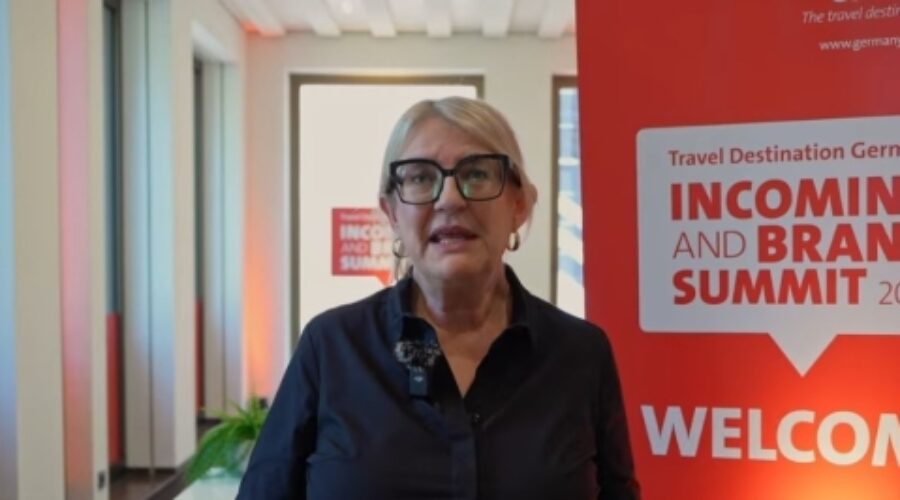
FRANKFURT AM MAIN: “Culture is an extraordinarily powerful asset for the Destination Germany brand, both in urban centers and rural regions,” stated Petra Hedorfer, CEO of the German National Tourist Board (GNTB), during her keynote speech at the fifth GNTB Incoming & Brand Summit held in Frankfurt.
Speaking on the summit’s theme, “Innovative. Authentic. Liveable,” Hedorfer emphasized Germany’s commitment to enhancing its global tourism profile. This is achieved through a blend of cultural heritage, regional traditions, natural landscapes, and contemporary experiences, catering to the evolving expectations of international travelers.
“Brand values must be continuously refined,” Hedorfer remarked, highlighting the significance of aligning globally relevant cultural themes with market-specific campaigns. She underscored the use of digital innovations to improve the visibility and immersion of Germany’s attractions.
“Our goal is to inspire repeat visits from regular tourists while also captivating new audiences with Germany’s cultural offerings,” she added.
The summit gathered over 70 travel and lifestyle journalists from more than 25 countries, alongside tourism specialists and industry partners, to deliberate on the future direction of the Destination Germany brand, focusing on innovation, authenticity, and quality of life as key factors in attracting global visitors.
Hedorfer noted Germany’s strong competitive position in international tourism is due to the GNTB’s ongoing adjustments to shifting customer demands, international market trends, and the potential unlocked by digital transformation.
“Today, Germany ranks among the ten most popular travel destinations globally and has been the leading choice for cultural travel among Europeans for over a decade,” she stated.
Germany’s cultural allure extends well beyond its major cities; historic towns, villages, castles, palaces, abbeys, vineyards, and cultural landscapes play a significant role in shaping the country’s tourism identity. Notably, one in five overnight stays by international visitors occurs in rural areas, underscoring the importance of regional destinations in offering authentic travel experiences.
With 55 UNESCO World Heritage sites, more than 6,000 museums, over 80 opera houses, recognized music festivals, architectural landmarks, and innovative design hubs, Germany presents a rich cultural portfolio to visitors.
A survey by Appinio, conducted on behalf of the GNTB in August 2025, revealed that cultural exploration remains a primary motivation for international travelers. Approximately 50% of potential visitors cited the discovery of cultural heritage and sightseeing as their top priorities when planning a trip to Germany, with local cuisine (44%) and visits to museums and galleries (39%) also ranking highly.
This cultural strength is evident in tourism performance. According to IPK International’s World Travel Monitor, Europeans took 198.8 million cultural trips globally in 2025, and 20.8 million of those opted for Germany. Retaining a 10.5% market share, Germany maintained its status as Europe’s leading cultural travel destination for the eleventh consecutive year.
A core element of GNTB’s cultural tourism strategy is its partnership with the German UNESCO World Heritage Sites Association, which has been active since 2010 in raising international awareness of Germany’s heritage treasures.
The GNTB’s global UNESCO campaign for 2023 and 2024 aims to promote heritage destinations across 18 key markets through a mix of digital and traditional marketing channels, including media campaigns, social media, search engine marketing, and email outreach. The initiative also introduced augmented reality experiences for selected UNESCO sites.
In furthering digital tourism, the GNTB launched the mixed reality application “UNESCO World Heritage Sites in Germany,” allowing travelers to explore destinations through immersive technology. This application combines virtual experiences with travel information, themed routes, and tourism offerings, and has been integrated into Lufthansa’s in-flight entertainment system, making GNTB the first national tourism board to introduce a VR application via an airline platform.
Through a strategic combination of cultural preservation, digital innovation, and authentic regional storytelling, Germany continues to enhance its reputation as a global destination where heritage meets modern creativity.
Special Analysis by Omanet | Navigate Oman’s Market
Germany’s strategic emphasis on cultural tourism offers valuable lessons for businesses in Oman. By leveraging its rich cultural heritage and embracing digital innovation, Oman can attract diverse international visitors, enhancing the tourism experience. Smart investors and entrepreneurs should focus on authentic experiences and advanced marketing techniques to capitalize on this thriving segment while mitigating risks associated with changing consumer preferences.