New Hotel Opening in Muscat: Key Implications for Investors and the Tourism Sector in Oman
MUSCAT: A new hotel opening in Muscat highlights the increasing investor confidence in Oman’s tourism sector, as the Sultanate pursues its diversification goals under Oman Vision 2040. Legacy Hotels Holding recently launched the Golden Tulip Muscat The Village, marking its sixth property in Oman and fourth in the capital, a testament to its long-term growth plans in the local hospitality market.
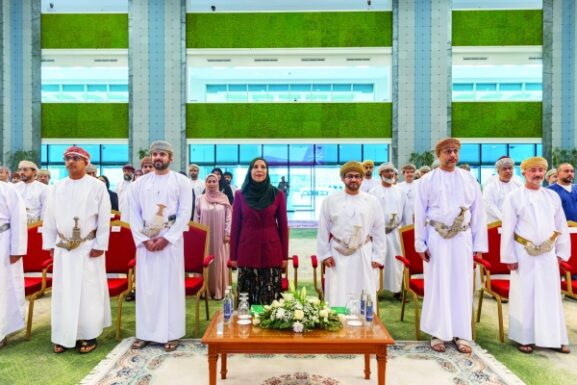
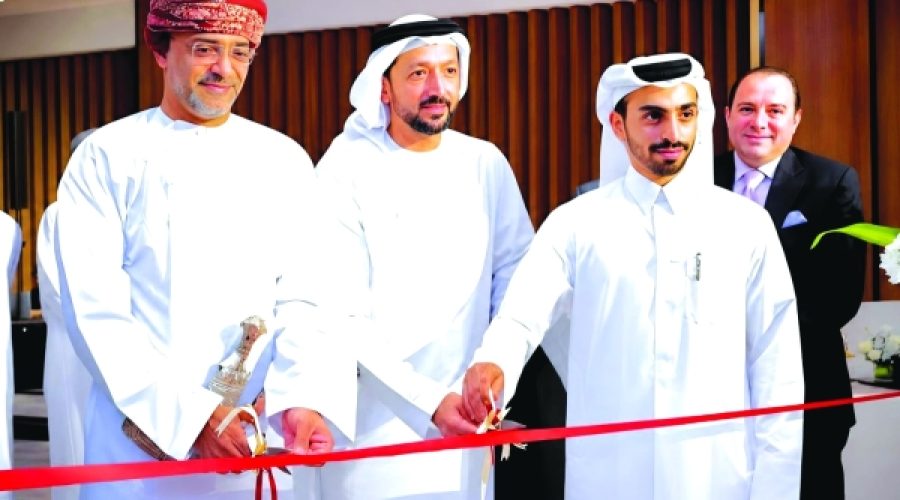
The opening ceremony for the hotel took place under the auspices of Azzan bin Qasim al Busaidy, Under-Secretary of the Ministry of Heritage and Tourism for Tourism, and was developed in collaboration with Bin Al Sheikh for Hotel and Resorts Management. This initiative is a part of a broader masterplan aimed at combining hospitality, retail, and cultural experiences along a coastal setting.
In an exclusive interview with the Observer, Fahad Abdulrahim Kazim, Co-Founder and CEO of Legacy Hotels Holding, emphasized Oman’s strategic importance within the group’s regional expansion plans. The new property, a four-star hotel with 68 keys, is situated within The Village, a mixed-use development that reflects Muscat’s shift towards integrated lifestyle destinations. The hotel is conveniently located about ten minutes from Muscat International Airport and is designed for both business and leisure travelers, featuring dining options, meeting space, a gym, and an outdoor pool.
This expansion signals Legacy Hotels Holding’s confidence in the fundamentals of Oman’s tourism sector and its policy direction. Fahad remarked on Oman’s position as a key growth market within the group’s regional strategy: "Oman remains a very important market for us. We already have six hotels operating here and we are continuing to expand our footprint. When we assess markets, we first look at the fundamentals, and Oman offers strong unique selling points alongside robust government support, particularly in tourism as a key pillar of Oman Vision 2040."
The company’s development pipeline indicates ongoing growth, with Fahad revealing plans for seven to eight additional properties expected to open across Oman in the next 18 to 24 months, reflecting sustained investor confidence and rising demand. "We see strong alignment between public and private sector efforts in Oman, which gives us confidence that the market will continue to grow. This is a market where development is happening with clear direction," he stated.
Legacy’s operating model in Oman is asset-light, focusing on management expertise and operational delivery rather than direct capital investment. The group continues to invest in building local teams and enhancing its presence. "We are a hotel management company, so our investments are primarily in manpower and expertise," Fahad explained. He emphasized the importance of a strong team to ensure high standards across properties.
At the heart of this strategy is a people-centric approach. Fahad noted, "We are in the people business first and foremost. Relationships with our colleagues, guests, and investors are central to how we operate. Technology supports that, but it does not replace the human element."
Digitalization is becoming increasingly important, with the group investing in artificial intelligence and data-driven systems to enhance guest experiences and improve operational efficiency. "Technology for us is about reducing friction in the guest journey. It allows us to better understand guest preferences and enables our teams to focus more on service delivery," Fahad explained.
From a commercial perspective, the company emphasizes service-led growth rather than relying solely on room revenues. The goal is to provide a holistic guest experience that integrates accommodation, dining, and additional services. "The starting point is always the service we provide. When guests receive the right experience, they engage more across all aspects of the hotel," he said.
Sustainability is also a key focus, with attention to both environmental practices and local economic integration. "For us, sustainability at the operational level is non-negotiable. But ESG is also about how we integrate into the local market—working with local suppliers, supporting local businesses, and contributing to the communities where we operate," he stated.
From the developer’s perspective, the project represents a broader transformation in Muscat’s urban and tourism landscape. Jamal Mourad, CEO of Bin Al Sheikh Holding, commented that integrated developments are increasingly enhancing the capital’s attractiveness to international visitors. "This development reflects the direction in which Muscat is evolving, where integrated destinations bring together culture, commerce, and hospitality. Projects like this contribute to enhancing the city’s appeal to international visitors while supporting broader tourism growth."
As Oman progresses with its tourism agenda, the expansion of hospitality offerings within mixed-use destinations like The Village signifies a maturing market, with private sector initiatives closely aligned with national development priorities.
Special Analysis by Omanet | Navigate Oman’s Market
The recent launch of the Golden Tulip Muscat The Village signifies growing investor confidence in Oman’s hospitality sector, crucial for achieving the aspirations of Oman Vision 2040. This development not only presents opportunities for increased tourism and economic diversification but also highlights a robust investment landscape as companies like Legacy Hotels Holding plan multiple new properties, positioning Oman as a key market in regional strategies. Smart investors should leverage this momentum by focusing on integrated lifestyle developments and exploring partnerships that align with Oman’s tourism growth ambitions.