Reimagining Public Spaces in Oman: Funding Challenges and Opportunities for Business Growth

MUSCAT: A growing debate regarding the vibrancy of Oman’s cities after their initial launch is capturing attention as public investment increasingly targets parks and waterfronts. This comes as the Sultanate moves towards implementing a new real estate framework.
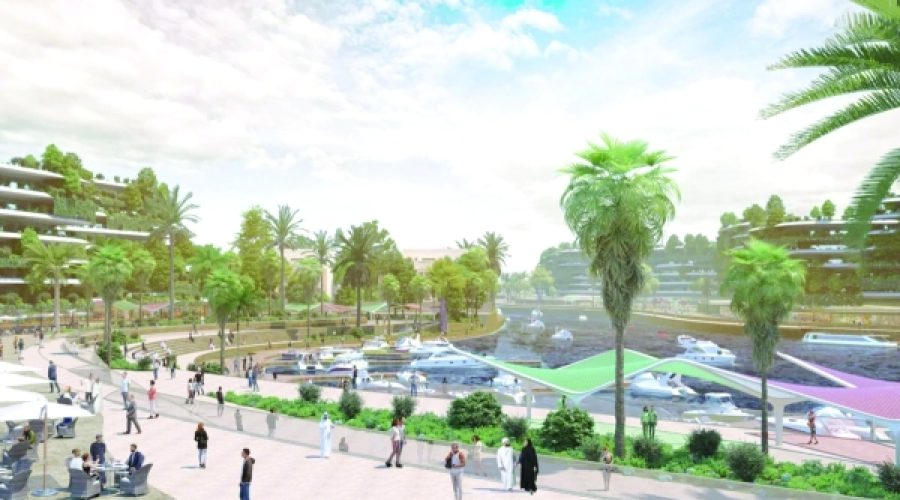
In an exclusive interview with the Observer, an investor with diverse interests across financial markets, energy, and urban planning emphasized that the lively urban environments sought by residents—characterized by bustling promenades, parks, cafés, and regular events—cannot be achieved through buildings alone. He described real estate development as a comprehensive system that “generates places that work,” focusing on delivering public-facing amenities and ensuring their sustained operation through effective management and ongoing activities.
His insights align with Oman’s commitment to invest in projects that enhance livability. Recent government-backed initiatives have earmarked RO 507 million for development spending under the Tenth Five-Year Plan. This includes projects such as internal road improvements, public parks, and waterfront developments, all part of the broader effort to promote decentralized local development in line with Oman Vision 2040.
Urban experts frequently note that the challenges arise after construction concludes. Factors such as maintenance, landscaping, lighting, security, repairs, and programming are critical in determining whether an area remains active or falls into disuse. The responsibility for managing these elements typically lies with either public budgets or private stakeholders, influencing public perceptions of the term “development.”
Additionally, Oman’s regulatory landscape is evolving. Royal Decree 79/2025 establishes that the new Real Estate Regulation Law will become effective 180 days following its publication in the Official Gazette, with this effective date projected for March 13, 2026, based on its publication on September 14, 2025.
Globally, a popular method for funding the ongoing operations of public spaces is the Business Improvement District model. This approach allows designated areas to generate revenue through mandatory assessments from local property owners and businesses, which is then used to enhance services such as cleaning, security, and area promotion.
The investor noted that for Oman, the essential question is not simply about constructing appealing public spaces, but about maintaining their inclusiveness and effective management without creating perceptions of exclusive private areas or escalating costs. He highlighted public concerns related to affordability, access policies, and the preservation of local character and small businesses as investments flow in.
This discussion reflects a broader trend in urban evaluation—shifting from a focus on what is built to how well these spaces are sustainably operated, with clear accountability regarding management and funding sources.
Special Analysis by Omanet | Navigate Oman’s Market
The shift towards enhancing urban livability in Oman presents significant opportunities for businesses involved in real estate and urban planning, particularly those that can integrate ongoing management strategies for public spaces. However, this also introduces risks related to cost and accessibility, as investors must balance profitable ventures with community needs and perceptions. Smart investors should consider embracing sustainable operational models, like the Business Improvement District, to foster vibrant spaces without alienating local stakeholders or driving up costs.